For most of its life, Prophesee had the rarest problem in deep tech: a technology that nobody disputed.
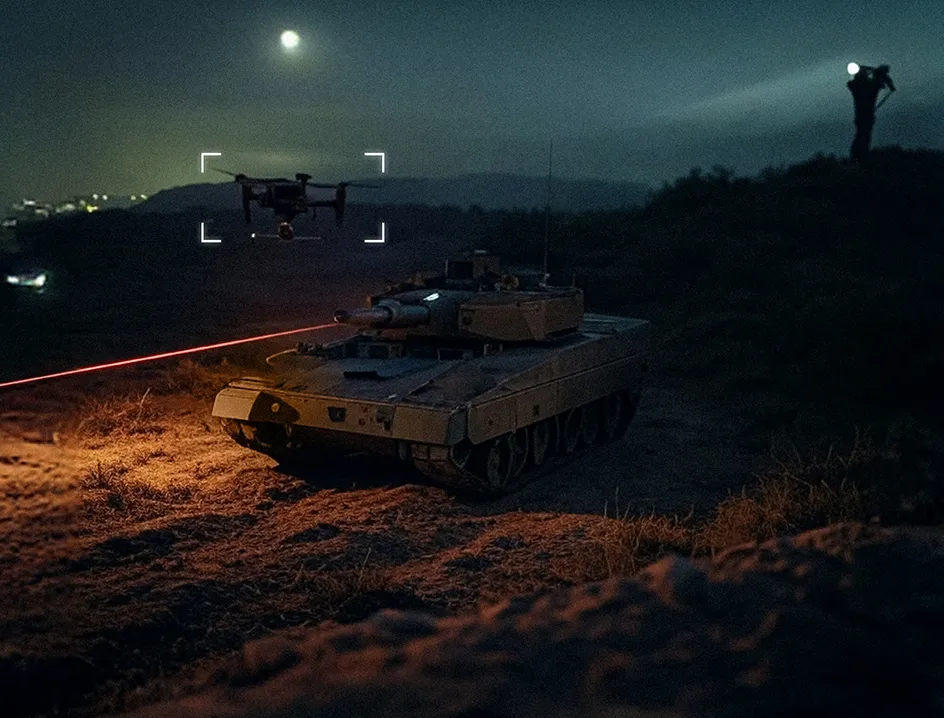
Spun out of the French National Center for Scientific Research (CNRS) and Sorbonne University research more than a decade ago, the Paris company built a genuinely different kind of camera, one whose pixels each fire independently the instant something in front of them moves, instead of grinding through 30 full frames a second like everything else on the market. It mimics how the retina feeds the brain, using a fraction of the data and a fraction of the power. It was good enough that the CIA’s venture arm, In-Q-Tel, invested alongside Intel, Bosch, Renault, and Xiaomi. Over the years, it has raised more than €100 million.
And in October 2024, it filed for court-supervised reorganization, France’s equivalent of Chapter 11.
That gap, between a technology everyone admired and a business that kept not happening, is what Jean Ferré has spent the last seven months trying to close. He arrived as CEO in November, brought in by a new set of investors after some lowball acquisition offers that, in his telling, would have saved neither the company nor its staff. He’d run developer relations at Microsoft, done time at BCG, and founded two AI companies in the search and natural-language space before the generative wave. As he started asking around about why this beloved company had nearly died, he kept hearing the same thing.
“Everybody loves the technology, and it works,” he told me. He’d just had the same conversation, again, with the head of the CNRS. “But indeed, the revenue is not coming.”
Chasing the big whale
Ferré’s diagnosis is unsentimental and begins with a single strategic mistake. Prophesee, he says, spent years hunting what he calls “the big whale.”