The last time I wrote about Wandercraft in June, I asked if the company was "on track to become Europe's next $1 billion robotics company?"
The first half of the year was stellar for Wandercraft. Renault had committed to deploy 350 humanoid robots. It was nearing approval for its medical robotics in the United States. And the same approval seemed on the horizon in France.
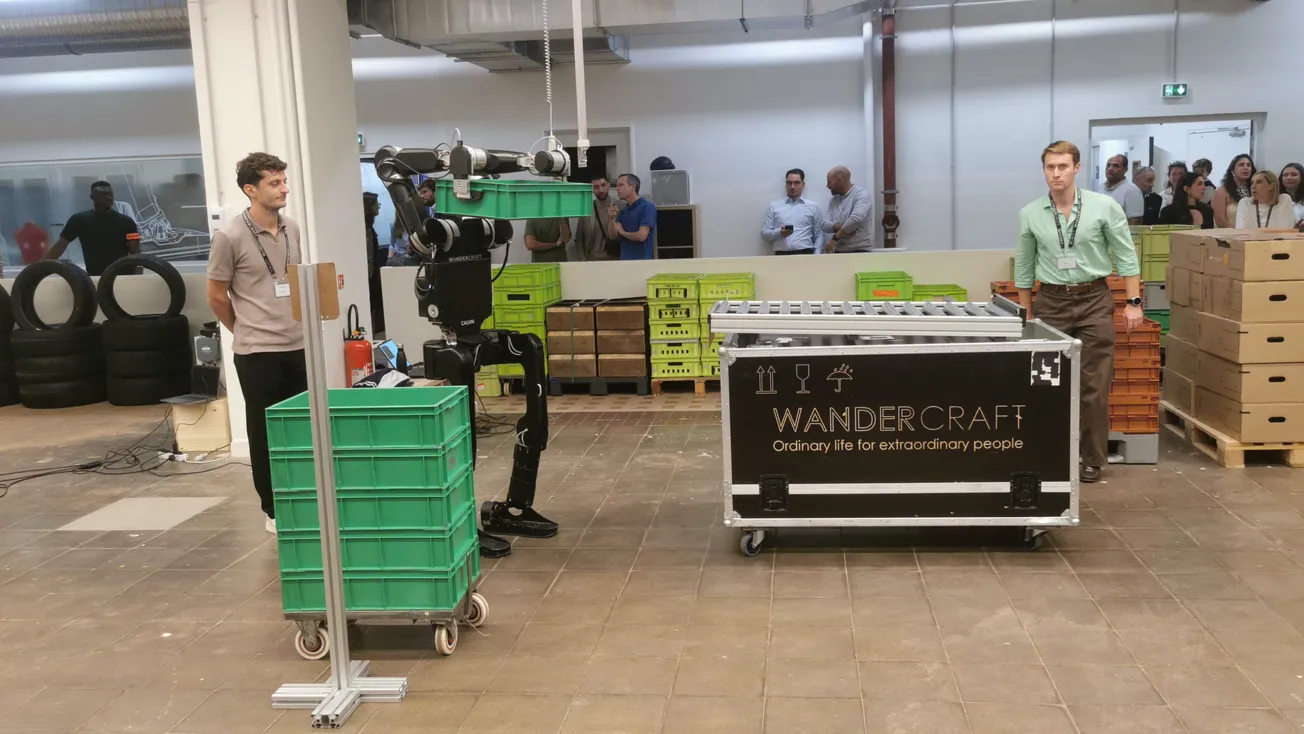
While the $1 billion question may not have an official answer, the company still delivered another major milestone on October 5 when it unveiled its new headquarters in the 13th arrondissement, a former La Poste sorting center built in 1926 with eight-meter ceilings. Over the course of an evening, hundreds of guests toured the new research and manufacturing facility and watched demonstrations of the robotic lineup.
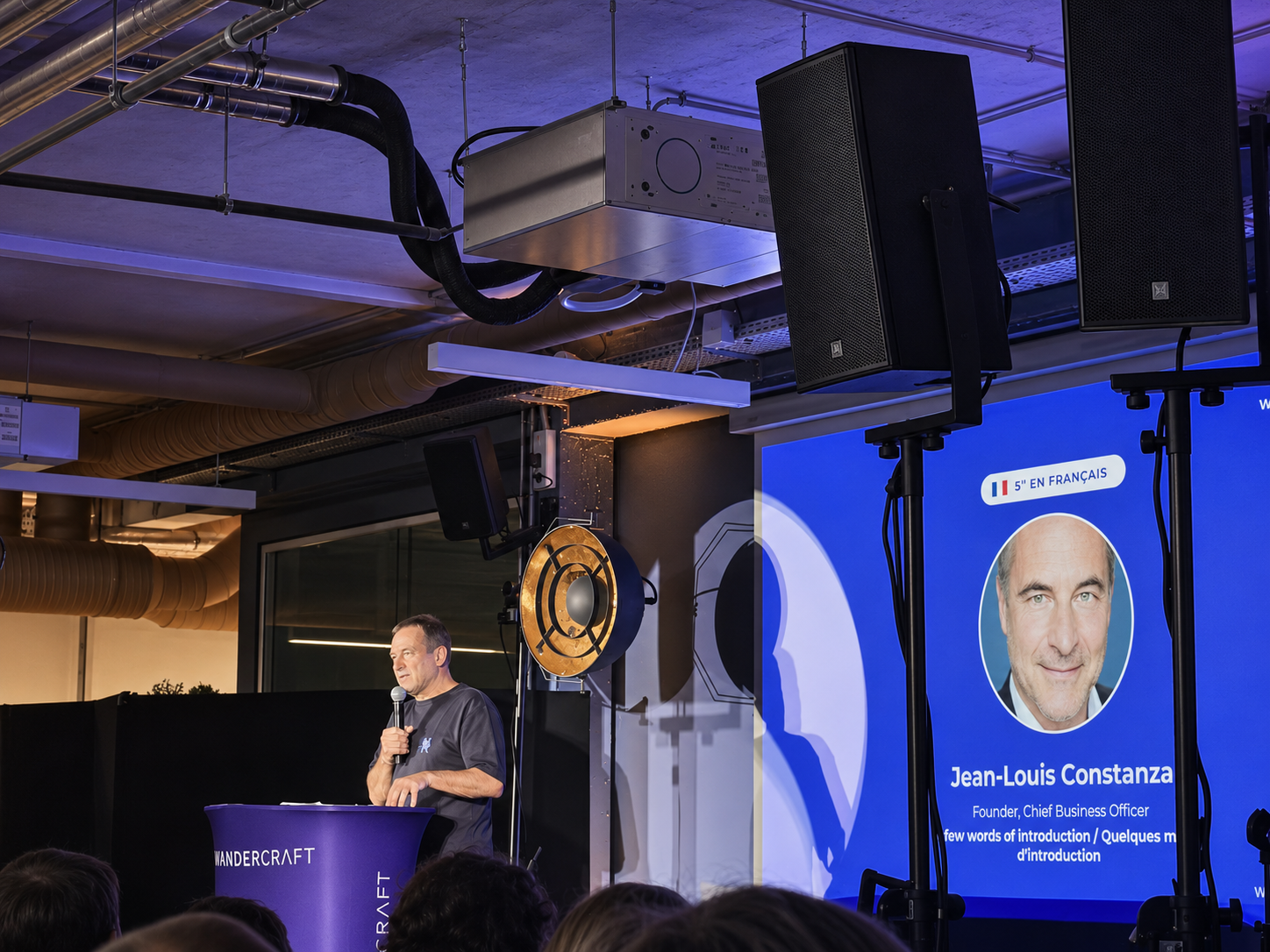
A couple of days later, I spoke with co-founder Jean-Louis Constanza. It had been roughly ten years since we first talked, and the company's first product, a robotic exoskeleton designed to help disabled people walk, was still in its earliest phases. By French tech standards, Wandercraft is hardly a startup. And yet, it is clearly on the cusp of a transformative moment.
So I asked him how he would describe the company now.
"It's sort of a beginning, because we are an old company already," he said. "Everyone knows that in deep tech, you spend the last 10 years making things that are close to science, and it takes time."
From exoskeletons to factory floors
Wandercraft was founded in 2012 by Nicolas Simon, Matthieu Masselin and Constanza as a spinout from École Polytechnique, to build a self-balancing exoskeleton for people who could not walk.
The company focused on a difficult, highly regulated problem: helping people with severe mobility impairments walk again using self-balancing robotic exoskeletons. Its flagship product, Atalante, became one of the first exoskeletons capable of dynamic walking without crutches and was gradually deployed across rehabilitation centers and hospitals worldwide.
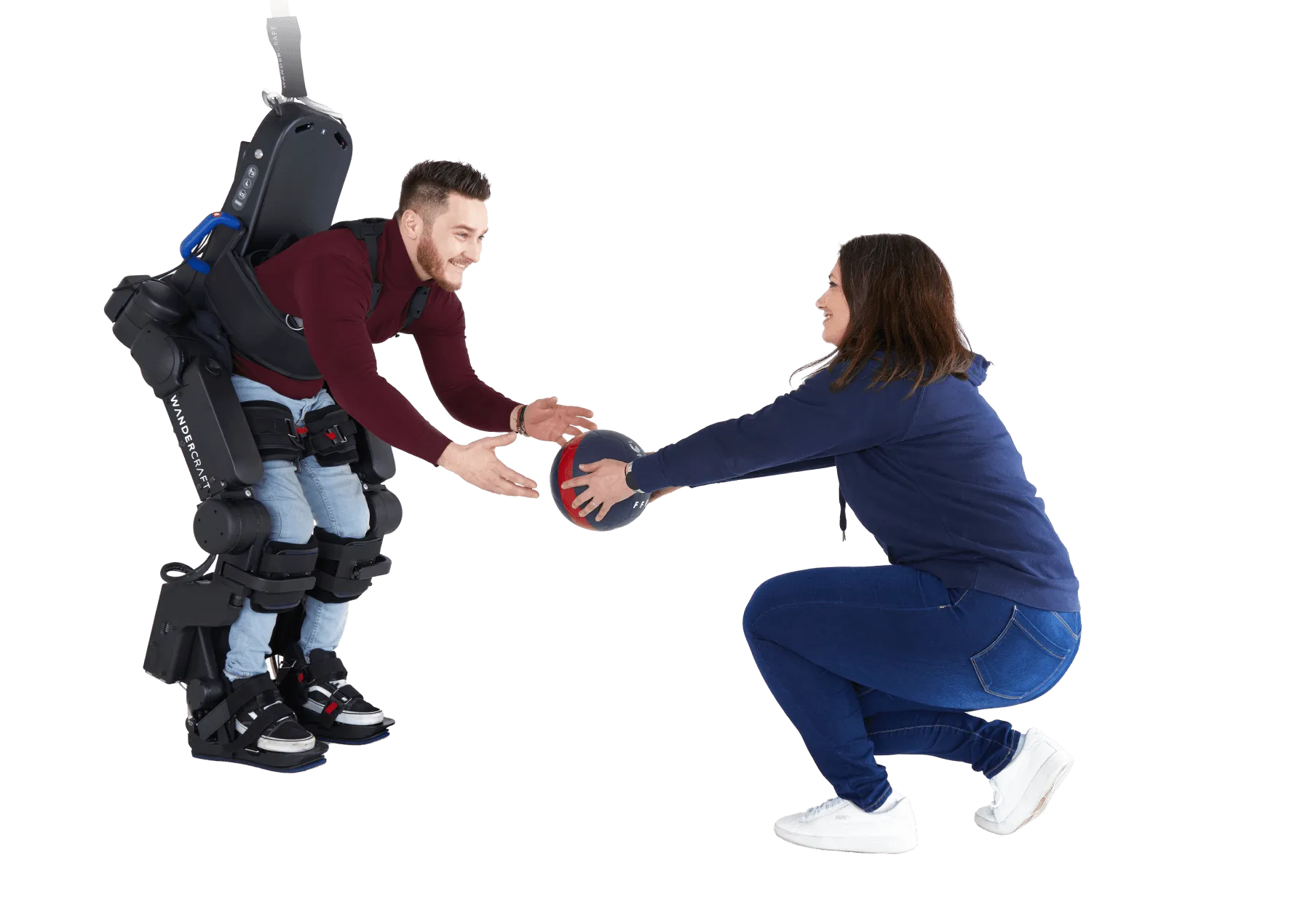
What seemed like a niche MedTech company was building expertise in balance, locomotion, force control, safety systems, and human-machine interaction. This rehabilitation exoskeleton leverages an innovative self-balancing feature to enable multitasking by performing lower-limb, posture, balance, and upper-limb reinforcement exercises in a safe upright position.