🧠 In this exclusive VivaTech 2026 interview with The French Tech Journal, Scaleway CEO Damien Lucas explains why AI sovereignty has become an economic necessity, how geopolitics is reshaping cloud infrastructure, and why Europe's biggest challenge is no longer technology but the speed of its response. Hear Damien Lucas' Full Case →
🧠 Cyberattacks, AI hallucinations, crypto, and executive liability are creating new risks for startups, yet many founders remain underinsured. Paris-based Belem says 95% of the companies it audits discover critical coverage gaps and use AI to fix them. The Insurance Problems Founders Ignore →
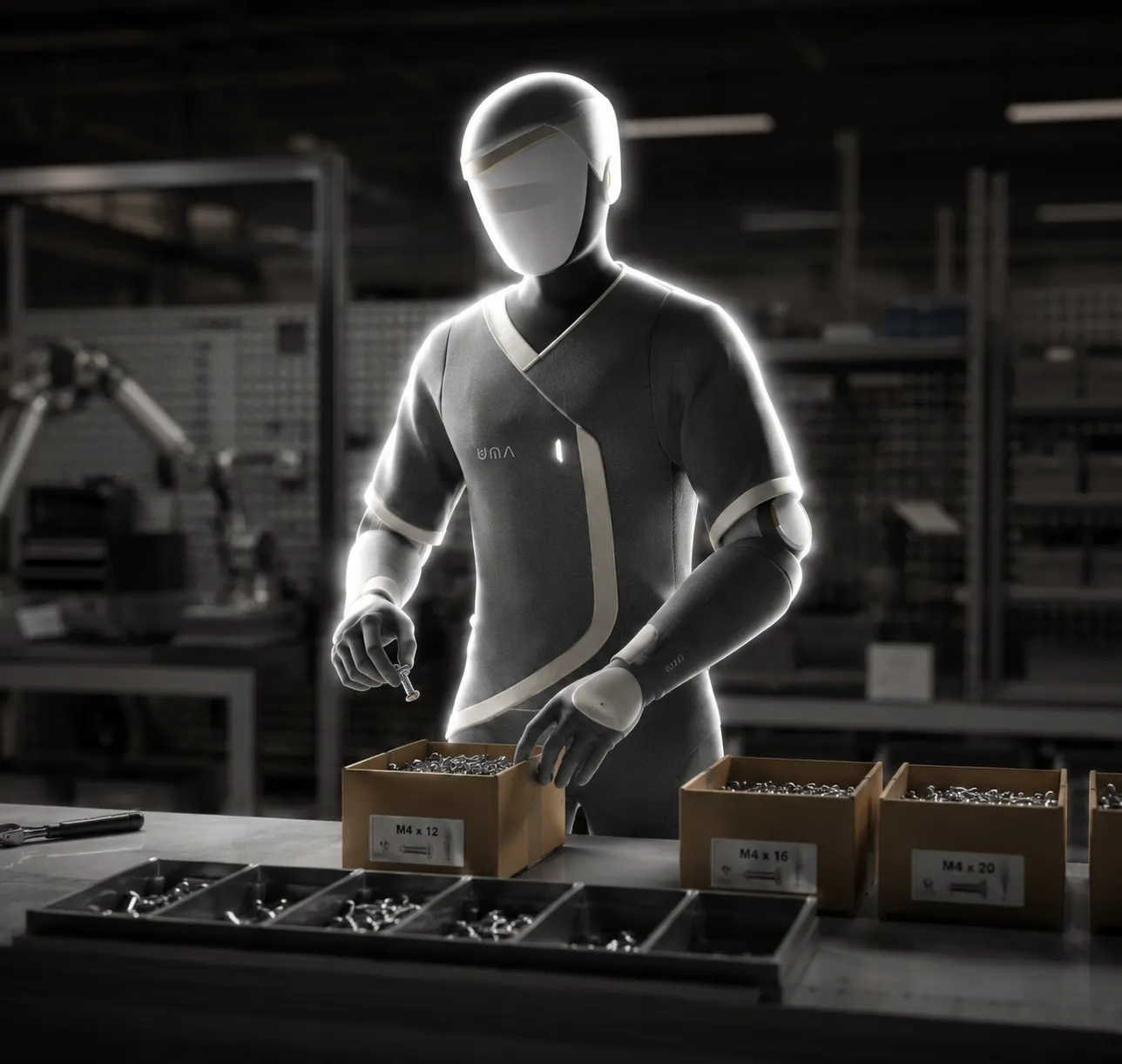
🧠 Nine months after launching, the Paris-based startup UMA revealed its first prototype, a "Real-Time Learning" approach to teaching robots, and a go-to-market plan that starts in warehouses and eventually ends in your living room. 🤖 Meet Europe's New Humanoid Robot. →
Chris O'Brien + Helen O'Reilly-Durand
Headlines
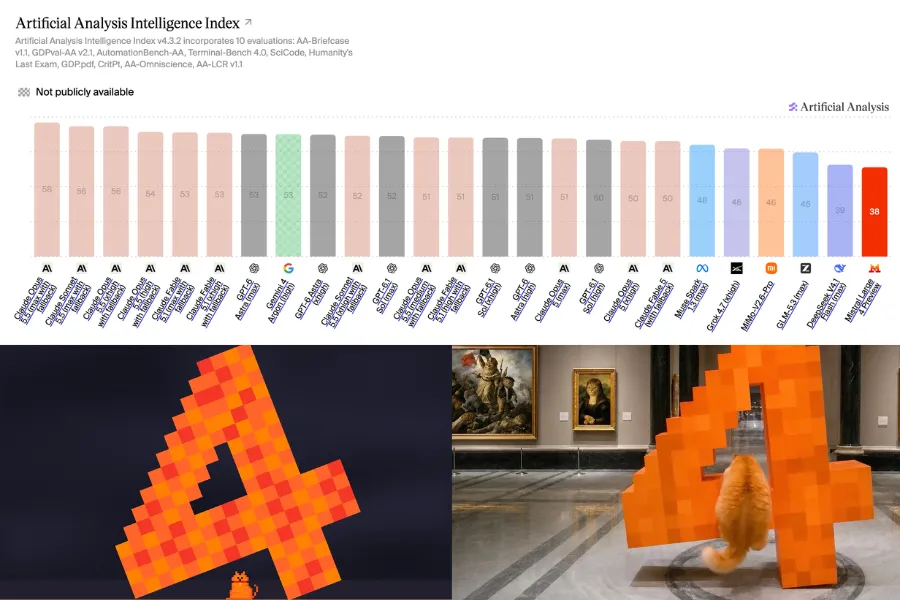
🗞️ Anthropic has launched Claude Sonnet 5 while navigating a new era of U.S. government oversight of frontier AI models. Billed as the company’s most “agentic” mid-sized model yet, Sonnet 5 brings more autonomous planning, tool use and coding capabilities at a lower cost than its flagship Opus models. But the launch comes just weeks after Washington forced Anthropic to suspend access to its more powerful Fable 5 and Mythos 5 models over national security concerns linked to advanced cybersecurity capabilities. Those restrictions have now been partially lifted following additional safety measures, highlighting how the race to build ever more capable AI models is increasingly being shaped not just by technical performance, but by export controls, security reviews and closer cooperation with U.S. regulators. | Usine Digitale
🗞️ French asset manager Meanings Capital Partners has taken a majority stake in Swedish AI infrastructure company Airon, betting on Europe’s growing demand for sovereign AI computing. Through its Article 9 infrastructure fund, Meanings is backing Airon, a GPU-as-a-Service provider that designs, builds, and operates AI data centers where businesses can rent computing power rather than own expensive hardware. The deal will help Airon expand its Swedish campus from less than 1 MW today to 24 MW over time, capitalizing on permits and grid connections already secured. As Europe races to reduce its reliance on U.S. hyperscalers, Meanings argues that digital sovereignty depends not only on who manufactures AI chips, but also on who owns and operates the infrastructure that stores data and runs AI workloads. | L’Usine Digitale
🗞️ The French adtech scene is buzzing after reports of a massive takeover bid for Criteo. A consortium led by Vista Equity Partners and Quinti Capital is reportedly eyeing the Paris-headquartered giant with an offer valued at a 50% premium over recent share prices. As Criteo pivots from cookie-based retargeting to a commerce media powerhouse fueled by generative AI, suitors are clearly recognizing the value in their deep proprietary data. Whether the board accepts it remains the big question, but it is a major potential shift for the French digital advertising landscape. | Reuters
🗞️ Luxury tycoon Bernard Arnault is placing a massive bet on the future of France’s intellectual sovereignty with a record-breaking €50 million donation to his alma mater, École Polytechnique. The funds will establish a new institute dedicated to mathematics and fundamental sciences, a move Arnault argues is essential in an era defined by AI. By backing the next generation of mathematical talent, LVMH’s leader is emphasizing that mastering the language of math is the true key to holding power in the coming decades. It’s a patriotic, high-level investment aimed at ensuring Europe remains a contender in the global AI race. | Bloomberg
🗞️ Snowflake has officially cut the ribbon on its new French headquarters at 44 Rue de Châteaudun. Spanning 2,700 square meters near the Opéra Garnier, the space is dedicated to scaling AI use cases and providing a hub for customer training and ecosystem initiatives. The company is leaning hard into the local market, already boasting HDS certification to support healthcare data workloads. It’s a massive move that cements their long-term commitment to France’s rapidly growing AI and data landscape. | Snowflake
🗞️ The Tour de France is getting a major tech boost this year thanks to Capgemini's new "Inside My Race" platform. This generative AI-powered tool processes live data to create personalized race stories, giving fans a deeper, near-real-time understanding of every stage. It’s a fantastic example of using AI to make complex sporting events more accessible and engaging for everyone, from hardcore enthusiasts to casual viewers. It’s clearly a highlight of the partnership that aims to bridge the gap between technical data and the fan experience. | Capgemini
🗞️ A new survey commissioned by Google Cloud suggests the French see partnerships with global tech giants - not going it alone - as the best path to digital sovereignty. Conducted by Ifop, the poll found that 74% of respondents believe collaborations between international technology companies and French or European firms can strengthen the country’s digital independence. Yet the concept itself remains surprisingly low on the public agenda, with just 4% ranking digital sovereignty as France’s top sovereignty concern. While respondents overwhelmingly prioritize the security of public, health, and cloud data, the findings also reveal a pragmatic streak: most value sovereign solutions, but many—particularly younger people—are willing to favor better-performing foreign technology when the trade-off is clear. | L’Usine Digitale
🗞️ French presidential hopeful Bruno Retailleau has unveiled a €25 billion AI plan, pitching artificial intelligence as the key to overhauling the French state ahead of the 2027 election. Speaking at Station F’s Machina Summit, the leader of Les Républicains proposed investing €5 billion a year to embed AI across public services and the wider economy, claiming it could ultimately generate €15 billion in annual government savings. His proposals include creating a national AI assistant for public administration, establishing a dedicated AI ministry, accelerating sovereign AI infrastructure and easing regulations through a three-year derogation from parts of the AI Act and GDPR for strategic projects. The announcement underscores how AI has become a central theme in France’s emerging presidential race, with several candidates now competing to put forward increasingly ambitious national AI strategies. | Maddyness
🗞️ French HRTech startup Skello has landed a €200 million investment to accelerate its European expansion and double down on AI for frontline workers. The Paris-based workforce management platform, which serves sectors such as retail, hospitality and healthcare, says the funding from Bridgepoint—alongside returning investors Partech and XAnge—will fuel new AI capabilities, product expansion and acquisitions. Skello already counts 25,000 businesses and 600,000 daily users across France, Spain, Italy and the Benelux, and says it surpassed €50 million in annual recurring revenue after reaching profitability in 2025. The company plans to hire 100 people this year as it expands its AI-powered assistant, designed to automate HR tasks and provide operational insights for Europe’s often-overlooked frontline workforce. | EU-Startups, Les Echos
🗞️ Serial entrepreneur Frédéric Mazzella has unveiled an AI version of himself to give startup founders round-the-clock business advice. Called Fred24, the chatbot draws on more than two decades of experience building BlaBlaCar and Dift, as well as insights from his 2022 book Mission BlaBlaCar. Developed with French AI startup Miria, the tool is designed to answer the countless questions Mazzella says he no longer has time to handle personally. The BlaBlaCar co-founder describes the project as a “magic trick” months in the making, aimed at making his entrepreneurial know-how instantly accessible to anyone launching a business. According to Miria, more than 300 people had already pre-registered ahead of the launch. | Les Échos
🗞️ AI-powered French HealthTech startup Kiro is partnering with three major hospital groups to deploy AI that helps clinicians prescribe the right biological tests at the right time. The €17 million Optimabio project, backed by France 2030, brings together the Paris-based startup with the University Hospital of Limoges, the Hospices Civils de Lyon and Marseille’s AP-HM to reduce unnecessary or redundant laboratory testing. By acting as an AI copilot for clinicians, Kiro hopes to improve diagnostic decisions while tackling a longstanding source of inefficiency in healthcare spending. The initiative comes as hospitals increasingly turn to AI to optimize workflows, improve patient care and ease pressure on overstretched health systems. | Les Échos
🗣️Responsible AI🗣️
A look at the big stories from the past week by Responsible & Frugal AI expert James Martin of BetterTech.
Hot, isn’t it? Fortunately, we can count on big tech to clean up the mess. Erm…
In Virginia, data center capital of the US - and hence of the world - the Department of Energy has let local grid operators *force* data centers to move to (usually) diesel-generated backup power, reports Politico, to avoid power cuts when AC usage surges during heatwaves. Grid operators have been doing this for a while now, but in the AI era, it’s more ‘essential’ than ever. “Either way, we are screwed,” said local activist Elena Schlossberg. “Our lights go out, or we get to breathe in this pollution.”
Big tech’s reaction? Hold my (ice-cold) beer. Google’s emissions have almost doubled between 2019 and 2025, whilst Amazon’s have increased by nearly 60% during the same period (source), despite each firm’s long-held pledges to do precisely the opposite. We don’t know of many other sectors whose emissions are increasing at all right now, let alone by this much.
That’s not set to change, judging by GAFAM’s latest lobbying efforts, which may result in new rules allowing them to offset emissions from fossil-fuel-generated power in one European country by buying renewable energy certificates from another, reports the FT.
More “running in precisely the wrong direction” news: it’s not just data centers that are increasingly turning to ultra-emissive gas power (12 new Colossus-style facilities have just been approved in the US, re: Reuters); Taiwan’s chip fabs are at it too. TSMC, the monopolistic processor maker that NVIDIA relies on, is adopting gas turbines totaling 18 GW, or 40% of the island’s current (largely fossil-fuel-based) power-generating capacity, reports The Diplomat.
To quote the ever-more pertinent ‘dog in a housefire’ meme: “this is fine.”
Good job, then, that devs are discovering ways to curb their tokenmaxxing. Caveman, a plugin that radically simplifies the outputs of tools like Claude Code or Codex, has been shown to reduce output tokens by 65-75%, according to 404 Media. Such practices could help cut AI costs - and environmental impacts - by a proportionate amount. We live in hope.
It’s unclear, however, whether this would help Accenture much. The big consulting firm has discovered its biggest AI costs are coming not from developers, but from executives converting PDFs into presentation slides; a particularly wasteful use of generative AI, re: the same source.
At least someone has found a novel way to generate ROI from AI: Simon Balch, an enterprising UK music executive, has decided to form a real band to play cover versions of the AI group The Velvet Sundown. “All the profits that we make are going to real musicians”, promises Balch. Even his cut?
🧠 Scaleway CEO Damien Lucas: Europe Lost the Cloud Race by a Decade. In AI, It's Only One Year Behind.
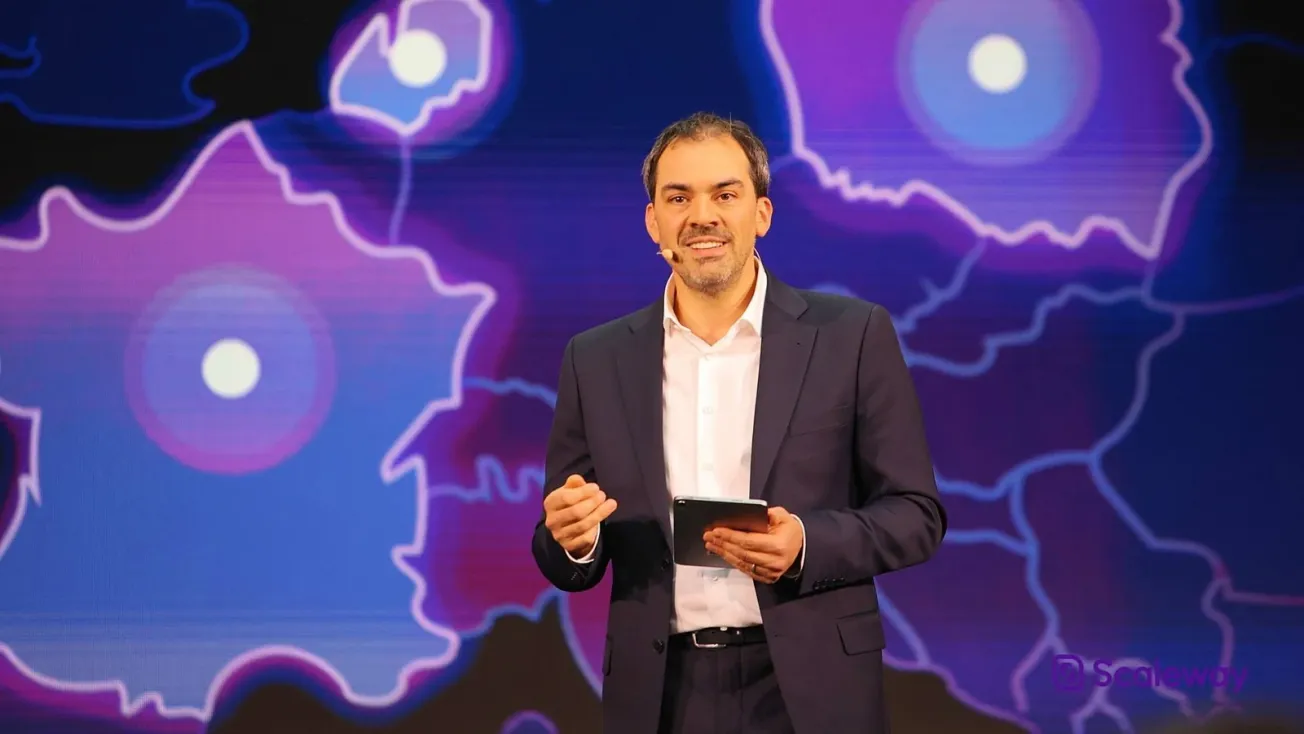
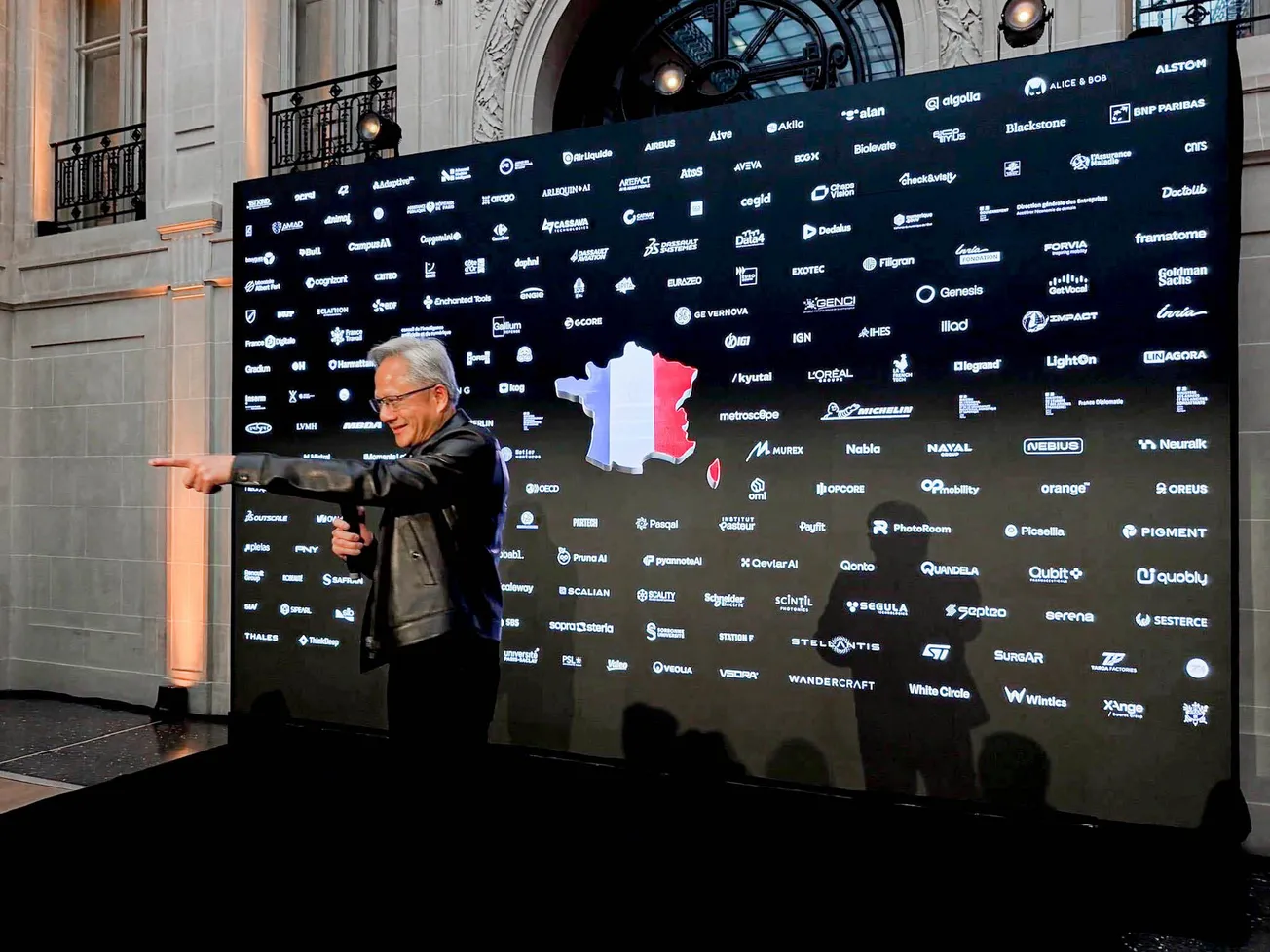
If you wanted to pick a good week to interview the CEO of a European sovereign cloud company, this was it. When I spoke with Scaleway's Damien Lucas at VivaTech, the company had just wrapped a rapid-fire series of announcements: new customers including LVMH, MAIF, Ouest-France, and ChapsVision, a European AI inference project built on French-designed chips, and a new quantum partner. And all of it landed amid a fresh wave of anxiety about Europe's dependence on American technology.
Lucas, for his part, is not anxious. He's in a hurry.
"Scaleway is a cloud provider, a European cloud provider," he told me when I asked for the elevator pitch. "Our value proposition is around independence from foreign technologies and immunity to extraterritorial laws, all that with a very price-competitive value proposition."
The market he's chasing is enormous and, by his numbers, almost entirely spoken for. Lucas puts the European cloud market at roughly €80 billion, with about 85% of it held by the three US hyperscalers: Google, Amazon, and Microsoft. "This is a situation we need to actually solve, and we need to rebalance those market shares, and that's one of the missions of Scaleway," he said.
🧠 95% of Tech Startups Have Dangerous Insurance Gaps, Says French AI Broker Belem
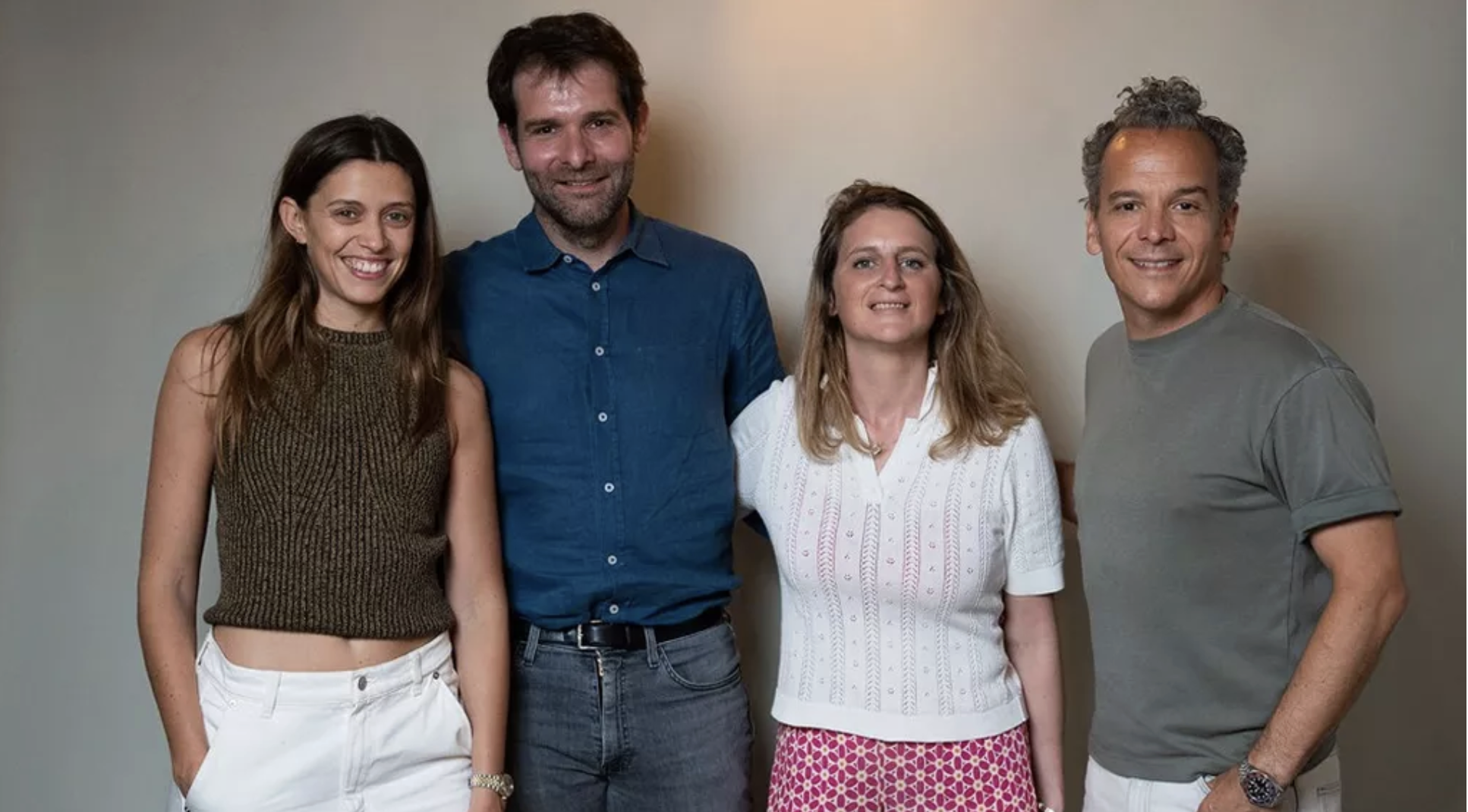
Cyberattacks. AI hallucinations. Crypto assets. Executive liability. Ask most startup founders what keeps them awake at night, and insurance is unlikely to make the list.
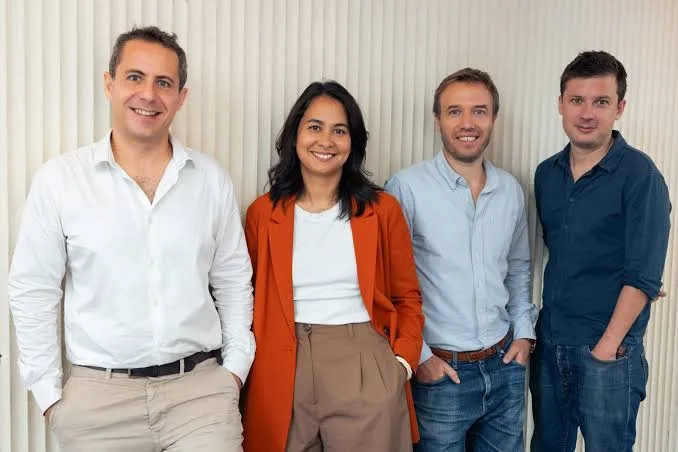
“A founder doesn’t wake up in the morning thinking about insurance,” said Belem co-founder and CEO Ségolène Mouterde. “They’re thinking about raising money, hiring people, signing customers and shipping products.”
That, she argues, is precisely the problem.
The risks facing technology companies have evolved dramatically in recent years, while much of the insurance industry still relies on processes designed long before generative AI, ransomware and globally distributed teams became the norm.
According to French startup Belem, that’s leaving many businesses dangerously exposed.
The Paris-based company says that 95% of the tech companies it audits discover significant gaps in their insurance coverage, often believing they are adequately protected when they are not.
🧠 UMA Shows Its Hand: Rémi Cadène Unveils a Humanoid Robot Designed to Earn Europe's Trust

The day before UMA CEO and Co-Founder Rémi Cadène took the stage at the Machina Summit at Station F, he gathered a small group of journalists at the company's Paris office to show them what nine months of work looks like.
"Tomorrow I'll be at Machina for the first time. I'm going to present results," the CEO said. "It's been nine months since we created UMA, so I think it will be a moment of pride for the whole team."
Those results include the first images of UMA's humanoid robot, a working prototype designed and assembled in Paris, demo videos of its AI performing industrial tasks for hours at a stretch, and a new name for the learning technique underpinning it all: Real-Time Learning.
When UMA (Universal Mechanical Assistant) came out of stealth last December, the story was mostly about pedigree. Cadène spent five years at Tesla working on Autopilot before becoming the first research engineer on the Optimus humanoid program. He then built the LeRobot open-source robotics platform at Hugging Face alongside Simon Alibert, now UMA's CTO. The other two co-founders are Pierre Sermanet, who spent a decade doing AI research at Google DeepMind, and Rob Knight, the founder of The Robot Studio and a lifelong specialist in robotic hands.
Now the company has something to show.
Want to reach an audience of more than 30,000 readers each month? The French Tech Journal is the leading English-language media platform covering France's dynamic tech ecosystem. With 31,000 + engaged readers across key global markets and consistently high engagement rates, our sponsorships provide unparalleled access to decision-makers in French tech.
☀️ Sponsor Events☀️
📆 RAISE Summit 2026 | July 8–9, 2026 | Carrousel du Louvre, Paris | Join one of Europe’s most influential AI gatherings bringing together thousands of builders, investors, executives, and innovators to shape the future of artificial intelligence. Learn from global leaders through keynotes, panels, workshops, a hackathon, startup competitions, and high-impact networking — all curated to accelerate AI strategy, investment, and real-world deployment across industries. | Tickets
📆 Events 📆
📆 Economic Data Science Society (EDSS) Conference 2026 | July 9–10 | Banque de France, Paris | The inaugural conference at the intersection of AI, data science, and economics, bringing together researchers, policymakers, and industry leaders from institutions like the IMF, ECB, and leading universities. Explore topics such as machine learning for economic forecasting, LLMs in economic analysis, alternative data (satellite, web scraping), and AI governance — alongside keynote talks, academic sessions, and hands-on training workshops. | Apply
📆 The Agentic GTM Hackathon by Anthropic, FullEnrich & Sillage | July 9 | Station F, Paris | Anthropic, FullEnrich, and Sillage invite the sharpest builders, sellers, and GTM engineers for a full-day hackathon to answer one question: what does AI-native revenue look like when you actually build it? | Request to Join
👋🏻 If you’re enjoying The French Tech Journal, support the project by forwarding it to friends and sharing it on your social networks. You can also comment on this post. And if you have ideas for stories, tips, or just want to harass us, shoot us an email: chris@frenchtechjournal.com / helen@frenchtechjournal.com 👋🏻