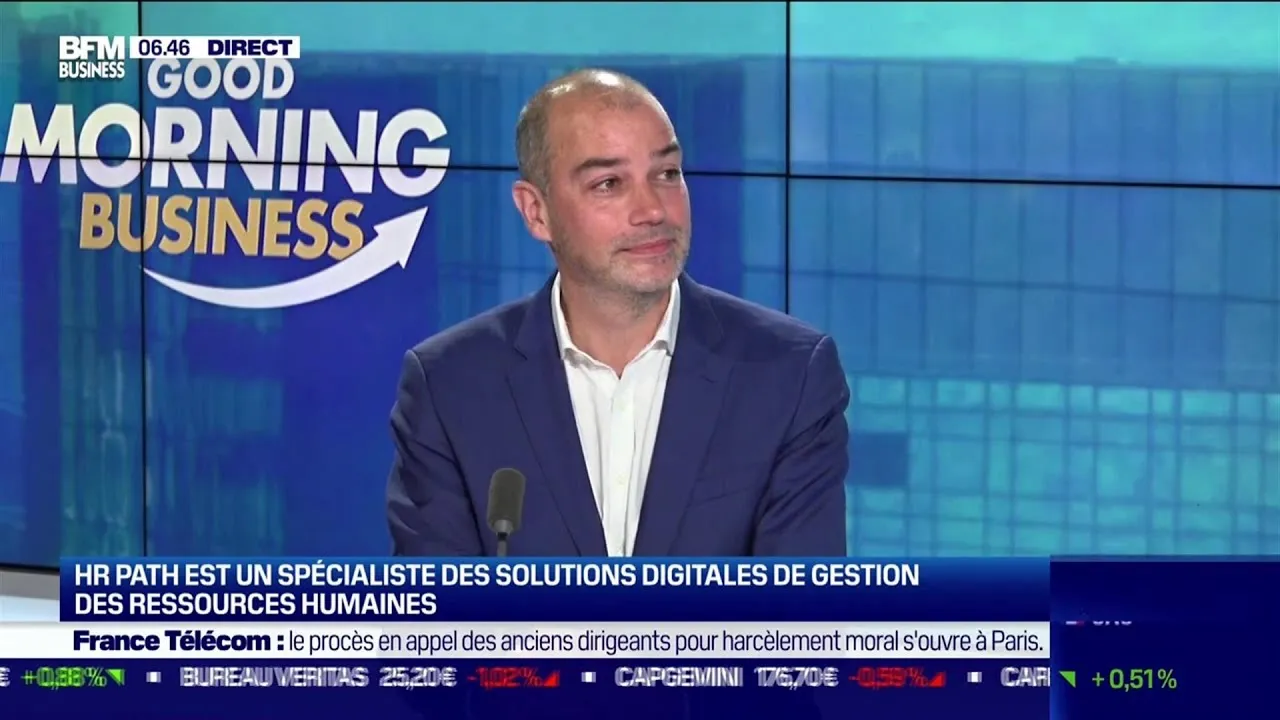
HR Path CEO and Co-Founder François Boulet wants you to know that he's not here for the money. Of course, that may sound easy to say after announcing a refinancing that placed the company's value close to $1 billion and positioned the French company to massively expand its global footprint.
But after spending 25 years building HR Path into one of France's quieter tech success stories, perhaps he's earned the right to be believed that he's not obsessing about nearly crossing the unicorn barrier.
"I'm here to have a dream," Boulet said in an interview. "Maybe in a few years, to have $1 billion of revenue, whatever the valuation. If I can accomplish it in my life, I will be very happy."
That focus on revenue over valuation is reflected in the way HR Path has pursued its growth through a relentless string of global acquisitions. To accelerate that plan, the Paris-based HR consulting and services group opted for a deal that is a mix of equity, secondary funding, and debt led by private equity giant Ardian. It's not exactly an acquisition, nor a classic venture round, but something more baroque.
As Boulet argued, however, it was an instrument perfectly suited to the needs of a 25-year-old, profitable, acquisition-hungry company.
Not a raise, exactly
Announced on July 8, the transaction is built around a continuation fund raised by Ardian, which first invested in HR Path back in 2015 and took a bigger position in 2024.
Rather than selling the company or handing it to a new lead investor, Ardian essentially re-upped, rolling HR Path into a dedicated vehicle backed by secondary investors including Eurazeo and UBS. The deal drew interest from more than 30 international investors and values the group at close to $1 billion. Alongside the equity, HR Path raised €340 million in new senior debt plus a revolving credit facility of nearly €70 million.
The founders, partners, and employees still hold the majority of the capital. The company counts close to 200 employee-shareholders and 40 partners. "Behind me, I have 39 partners," Boulet said. "These 39 partners come from mergers, and so we are very entrepreneurial."
A slow burn, then a sprint
If HR Path has flown under the radar of the French tech conversation, that's partly because it predates the whole La French Tech era.
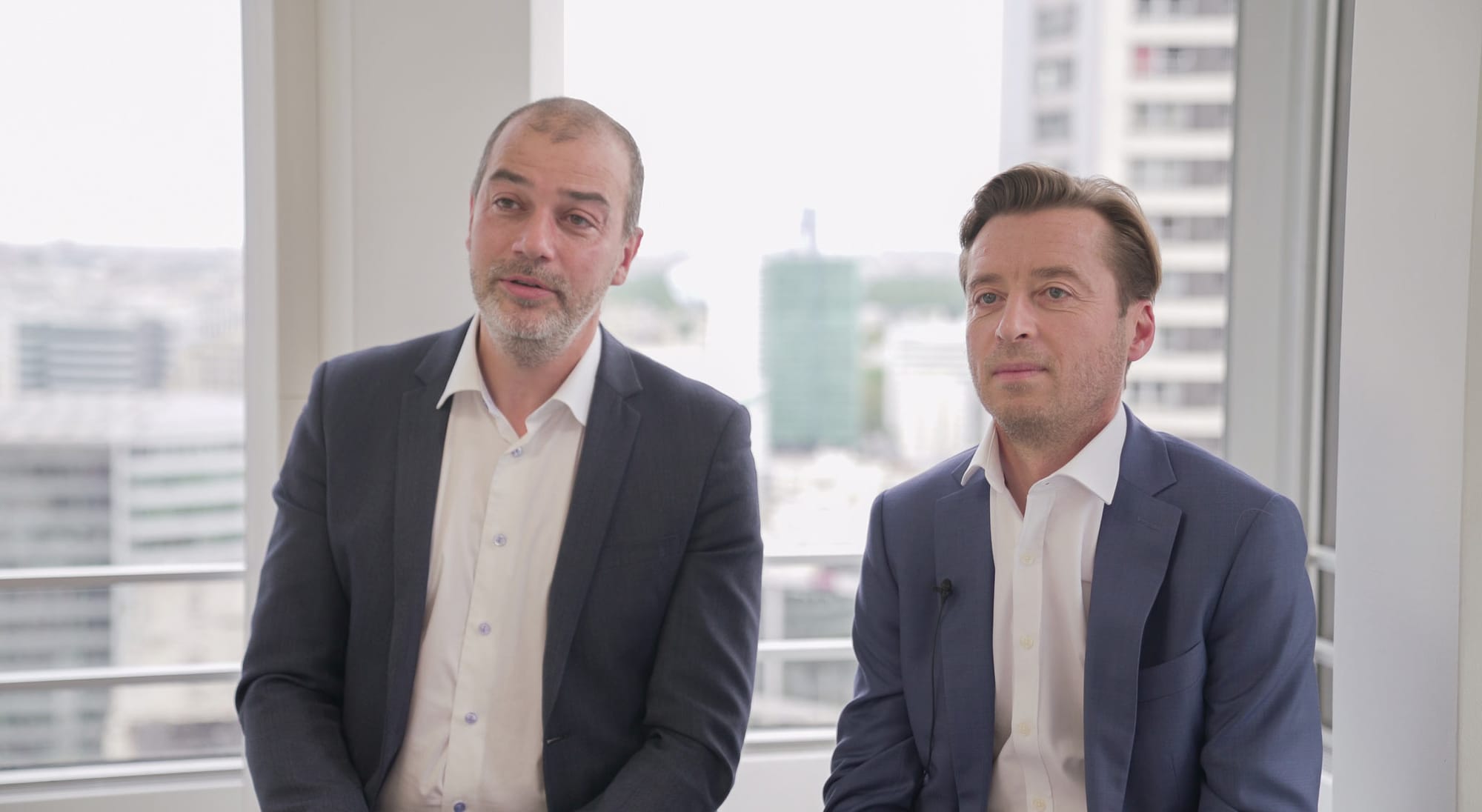
Boulet and co-founder Cyril Courtin started the company in Paris in 2001, building it around three business lines that cover the full HR value chain: Advise (consulting), Implement (deploying HR software from vendors like SAP, Oracle, Workday, Dayforce, and UKG), and Outsource (running payroll and HR processes for clients). Today its services touch the HR management of nearly 20 million employees worldwide.
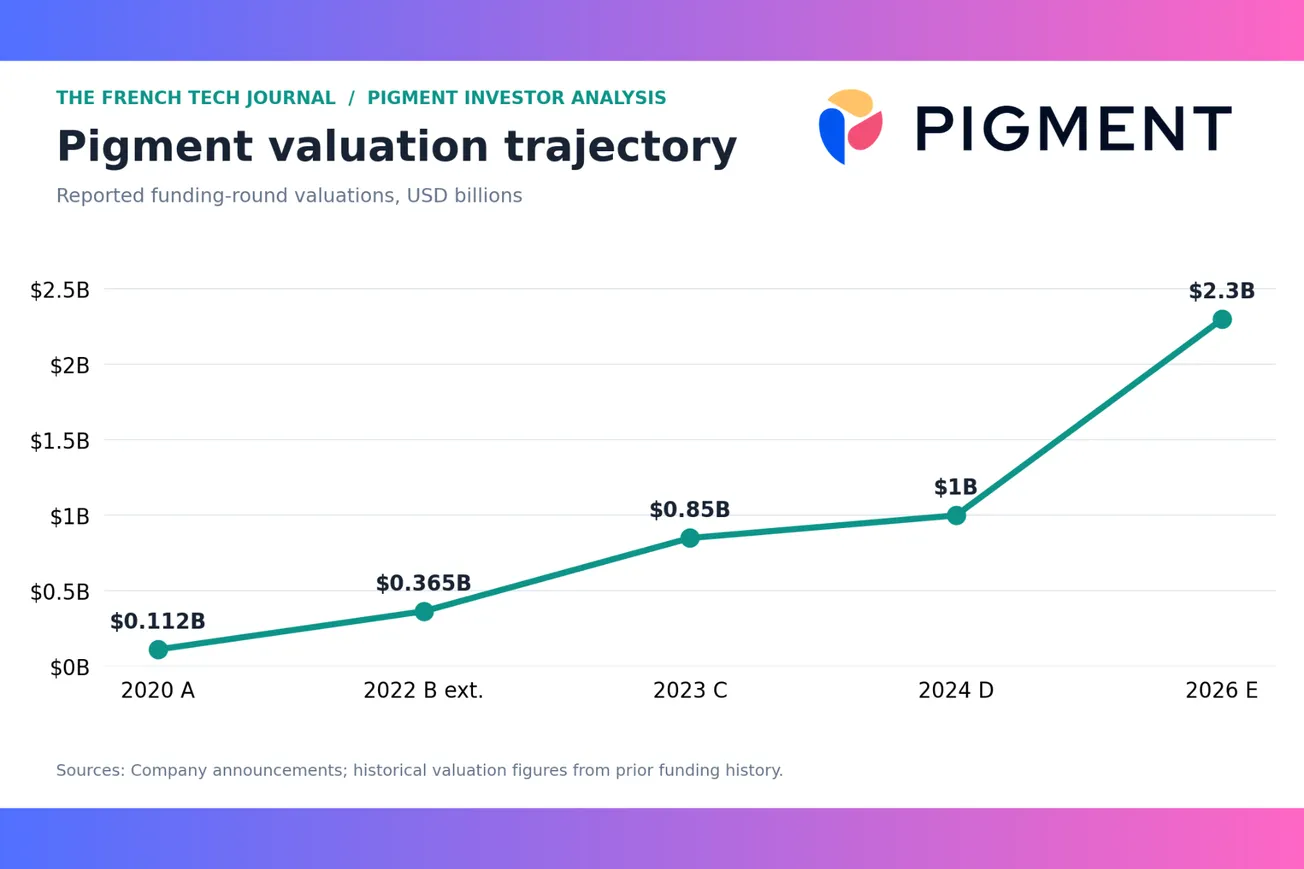
The funding history began with a modest €5 million round in 2015 with Société Générale and Ardian. Then €30 million in 2017, €100 million from Andera Partners in 2019, €113 million in debt in 2021, a €225 million growth round in 2022, and a €250 million equity investment from Ardian in 2024, paired with another €250 million in debt. Now the near-$1 billion recapitalization, with €410 million in fresh debt arranged by Société Générale and Crédit Agricole.
While the company has been around for more than two decades, the 2024 funding marked a moment of acceleration.
In the two years since, HR Path has grown close to 70%. It now operates in 30 countries, has 2,600 employees, and reported €360 million in revenue as of March 2026.
The geographic mix has also flipped. France accounted for 65% of activity in 2024. Now, it's 35%, with the Americas and the rest of Europe at 30% each. Within three years, the company is targeting €700 million in revenue, 5,000 employees, and a presence in 40 countries.
Why not just IPO?
For a company this size, the conventional next step would be the stock market. Boulet has no interest.
"If I can continue with a private equity firm, I will do it," he said. "I prefer private equity to the stock exchange."
His objection is the disconnect between performance and price: on public markets, "you don't know why your curve is lower than the last day. When there is a geopolitical risk, directly your curve is decreasing, and it's not because your company" is underperforming.
Staying private, by contrast, means "you maintain the control, you maintain the communication." And it comes with something he values more than a ticker symbol: an outside perspective from investors with skin in the game.
He offers a metaphor for how he views the relationship between a PE partner and a founder that perhaps could only come from a French CEO.
"I am on my bicycle, and I'm very fast," he said. "And then there is a helicopter view to tell me, hey, be careful! There is a big turn. Be careful with your bicycle where you go. And that's real good advice."
The helicopter also opens doors. Boulet described going through his sales pipeline with his private equity backers, asking about the biggest prospects: "Do you know this company? Do you have a way to call the general manager?"
For this round, HR Path deliberately brought in a private equity firm from the United Arab Emirates, where the company has a small presence. Boulet plans to fly out and ask them directly: "Can you open the door?"
The two-to-three-year clock
There's an unsentimental logic underneath all this. Boulet understands exactly what his investors want, and he's built the company's financial rhythm around it.
"We know from the beginning the rule of the private equity firm," he said. "When they put in $1, when they get out in three years, they want at the minimum $2. And if it can be faster, that's better for them."
He also knows the current market has left many funds stuck, unable to exit positions and return cash to their own investors. HR Path's recapitalization offered some of them a way out while letting others roll forward. And far from resenting the churn, Boulet welcomes it. "If we can change private equity firms every two, three years, that's good for us," he said. "It's a new network. That's new cash. That's a new plan."
That inverts the usual founder-investor dynamic. Rather than treating each fund as a long-term marriage, HR Path treats them as rotating co-pilots, each bringing fresh contacts for a two-to-three-year sprint before the next one straps in.
The acquisition machine
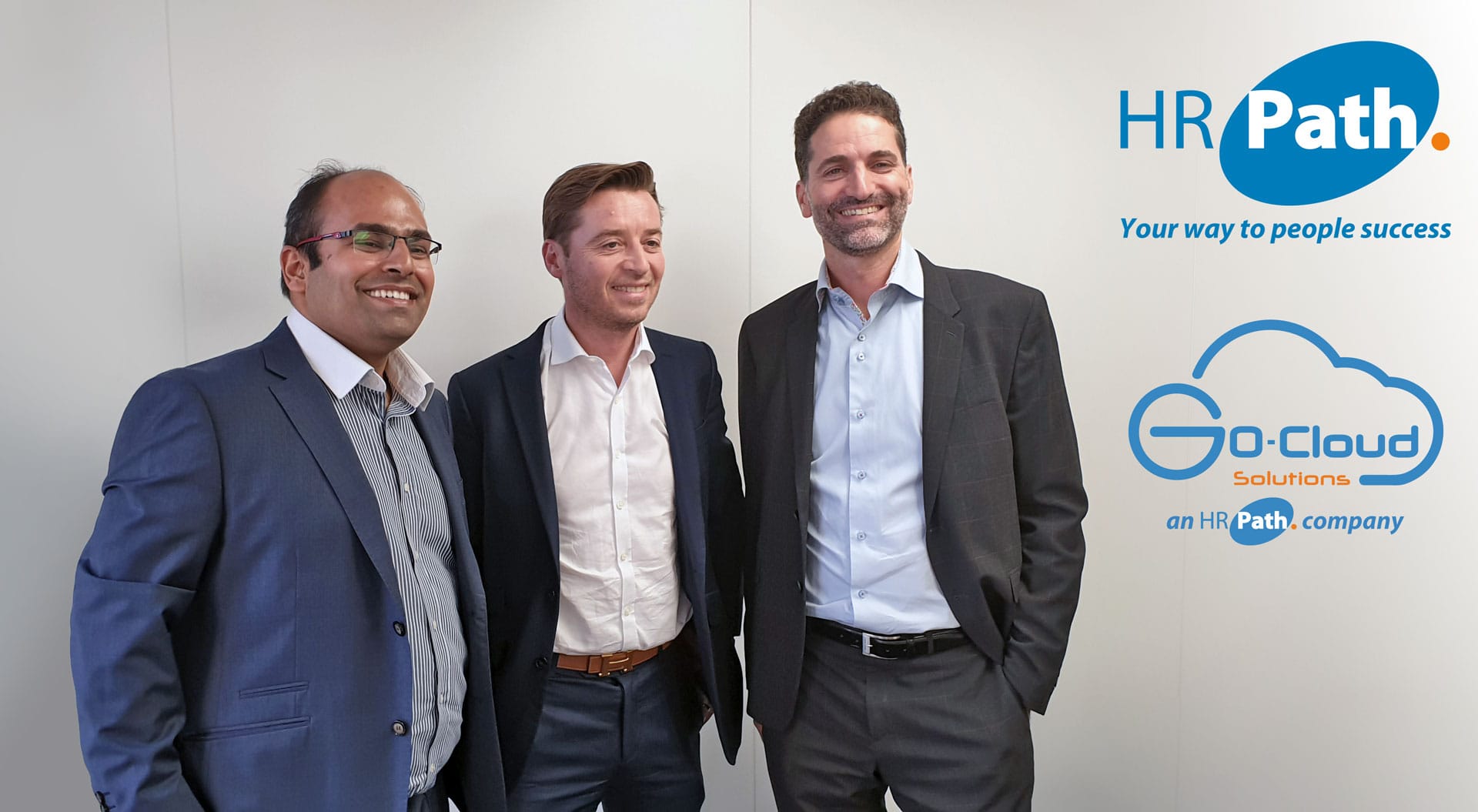
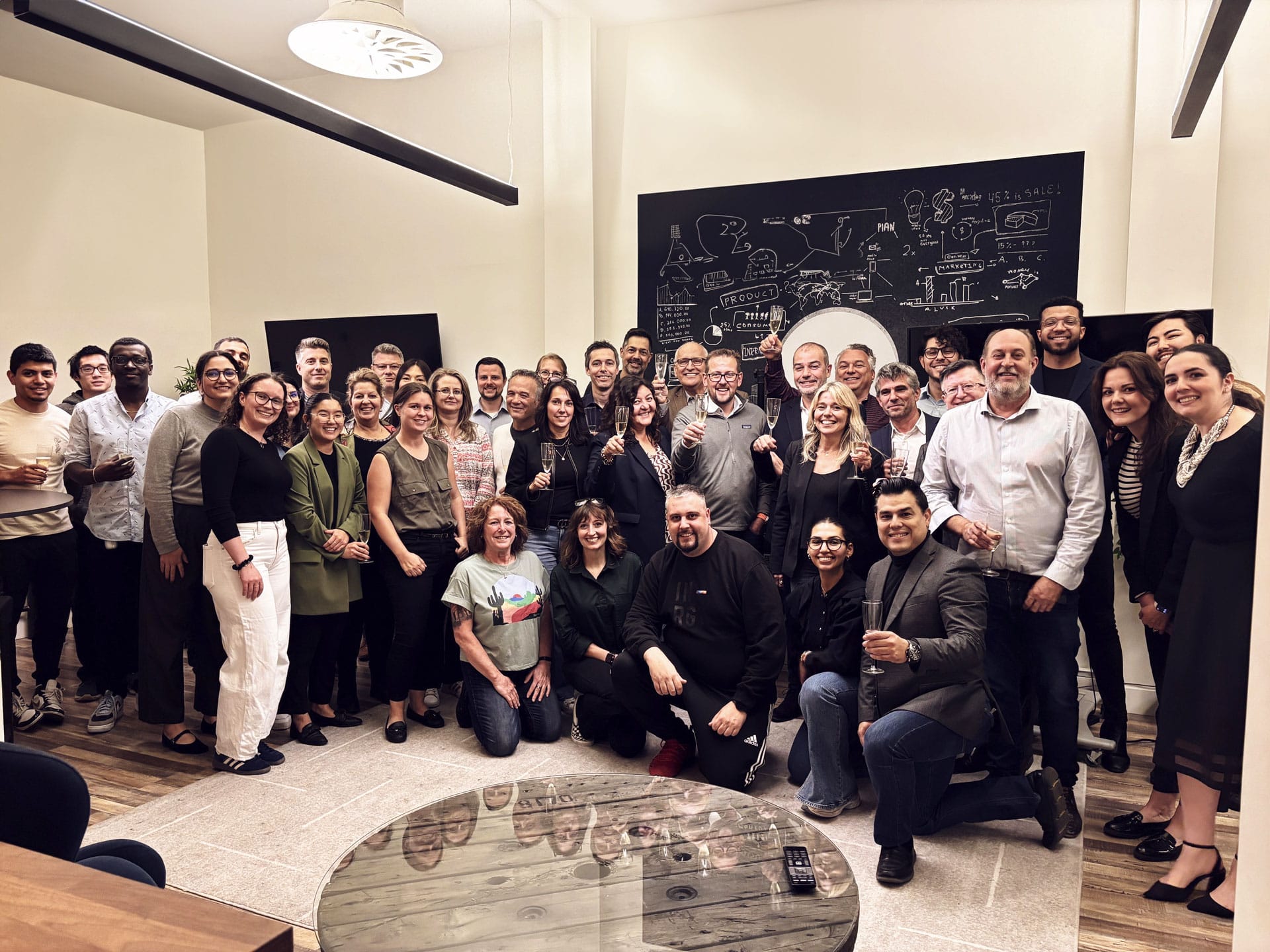
The new capital has a primary destination. Since its founding, HR Path has completed 57 acquisitions, 22 of them in the last two years alone.
The recent run is dizzying: Horn Payroll and Talent at Work in Germany, RKM Consulting in Australia, Eaton Square in the UK and Ireland, GDT Brasil and TEC360 People in Latin America, and a string of American deals including PredictiveHR, Next Generation Inc., Dayforce specialist Enforce, and Workday integrator Lumi.
The targets going forward are specific: outsourcing capabilities in the US, a German company to shore up a market where "we are not very strong", and Japan, where payroll complexity is an entry point. "If you do payroll in Japan, you can expand the implementation and the advice," Boulet said, with Korea and the wider Asia-Pacific to follow.
Just as deliberate is what HR Path won't buy: anything big. Large acquisitions mean duplicate positions and layoffs, Boulet explained, and if the integration fails, "your company lost big value." Small companies merge more easily, and HR Path can bring them things they lack, "like cybersecurity, like AI."
The AI question
Speaking of which. When HR Path was raising this round, Boulet said, one topic dominated investor conversations: "With the AI, are you sure that you will be a survivor of AI?"
His answer is an emphatic yes. Payroll, he argues, is exactly the kind of high-risk, high-complexity domain where full automation is dangerous. "Imagine you take AI and the pay slips of your employees are wrong. It's a mess for you." Same for recruitment, where a flawed model quietly filtering candidates "can be a mess too."
More to the point, he sees AI adoption as fundamentally an HR project, a matter of business process redesign and change management, which happens to be what HR Path sells. The company has built a dedicated AI advisory offering and is applying the technology internally.
Despite the transformational hype, Boulet, who started his career in the mid-1990s, believes the challenges of deployment and adoption inside enterprises are not so different at the human level than they were at the dawn of the Internet Era.
"AI, it's like the website," he said. "I started in '96, and the question was: can we allow our employees to use the website? That's the same thing for AI. For sure, the question is yes, but the answer is how."
Asterix economics
The funding also addresses a larger issue that continues to plague French startups: can Europe finance its winners at scale? HR Path's answer is a creative, distinctly European workaround: patient private equity, layered debt, continuation vehicles, and founders who keep control.
Boulet is already thinking about the next cycle. American, European, and Asian funds are circling, he said, and once HR Path hits €130 million in EBITDA, the conversation changes. "Every two, three years, respect the plan, acquire companies, and then continue," he said.
Until then, he's happy playing the role of the perceived underdog with a very large war chest. "We are like Asterix and Obelix against the Romans," he said of his partner-led, acquisition-fueled model. "So we take a little magic potion. It's the famous French red wine. And we push the business."