For most biotech companies, the challenge is biological: discovering a new molecule capable of changing the course of disease. Nanobiotix's founders believe that in some cases the answer is physics, not biology.
That conviction has shaped the Paris-based company for more than twenty years. Its lead product, NBTXR3, is now in late-stage clinical development under a global licensing agreement with Johnson & Johnson, with a launch targeted for Q1 2027. Co-founder and CEO Laurent Lévy expects that Nanobiotix could earn up to $1 billion in royalties.
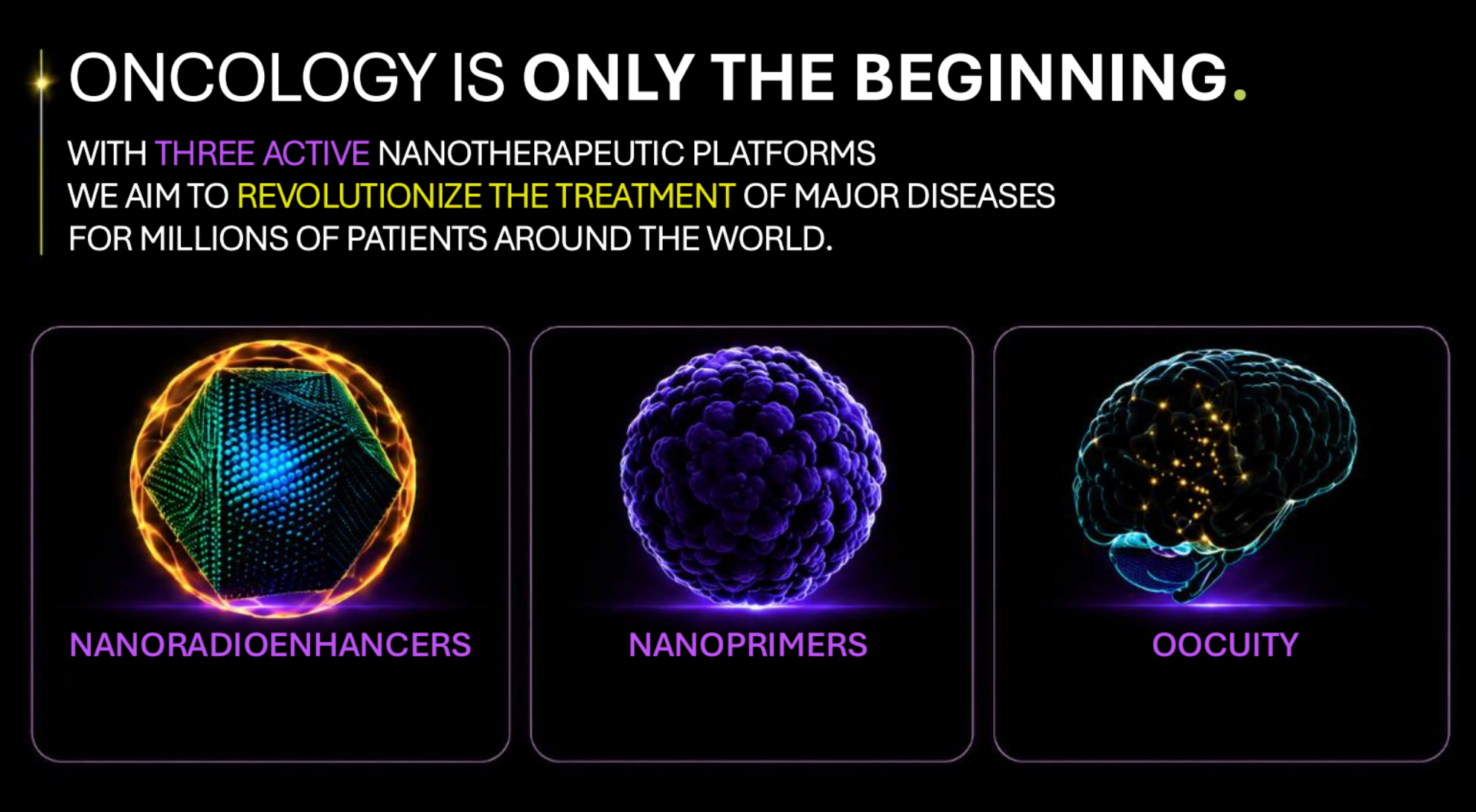
Beyond its lead program, the company is applying the same physics-based approach to build two additional platforms. Nanoprimer is designed to improve the delivery of complex therapies such as RNA medicines and gene therapies. Oocuity, an early-stage neuroscience program, is exploring whether nanoparticles could one day restore communication between neurons damaged by disease.
For Lévy, all three programs rest on the same principle.
"Biology varies enormously from one patient to another," he said. "It's incredibly complex, so it's easy to make mistakes. But the rules of physics apply to everyone."

A company built around physics
Lévy's interest in nanotechnology dates back more than 30 years. During his PhD in nanophysics, he became fascinated by what might happen if nanoscale physical objects could interact with biological systems.
Nanomedicine has become an increasingly active field, but most companies use nanoparticles as delivery vehicles to transport drugs to their targets. Nanobiotix took a different route.
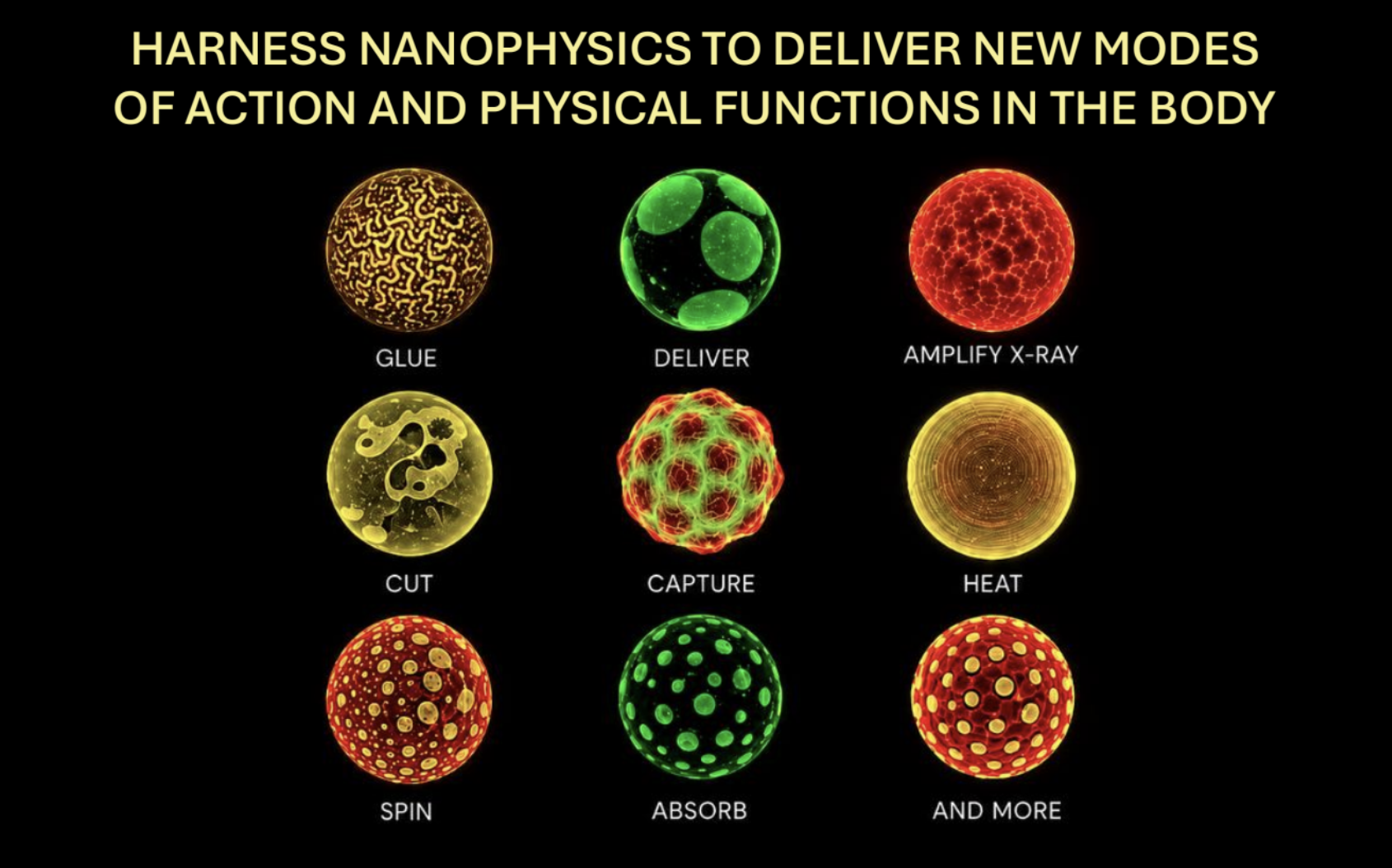
"We do everything through physics," said Lévy. "We create nano-objects that produce a physical effect at the biological scale."
The company engineers nanoparticles that modify how physical energy behaves inside the body, rather than designing molecules to alter biological pathways. That principle underpins all three of its technology platforms, spanning oncology, drug delivery, and neurological disorders.
"We believe we're creating a completely new class of medicines," he said.
Making radiotherapy work harder
The first test of that approach is NBTXR3, now known within Johnson & Johnson's portfolio as JNJ-1900.
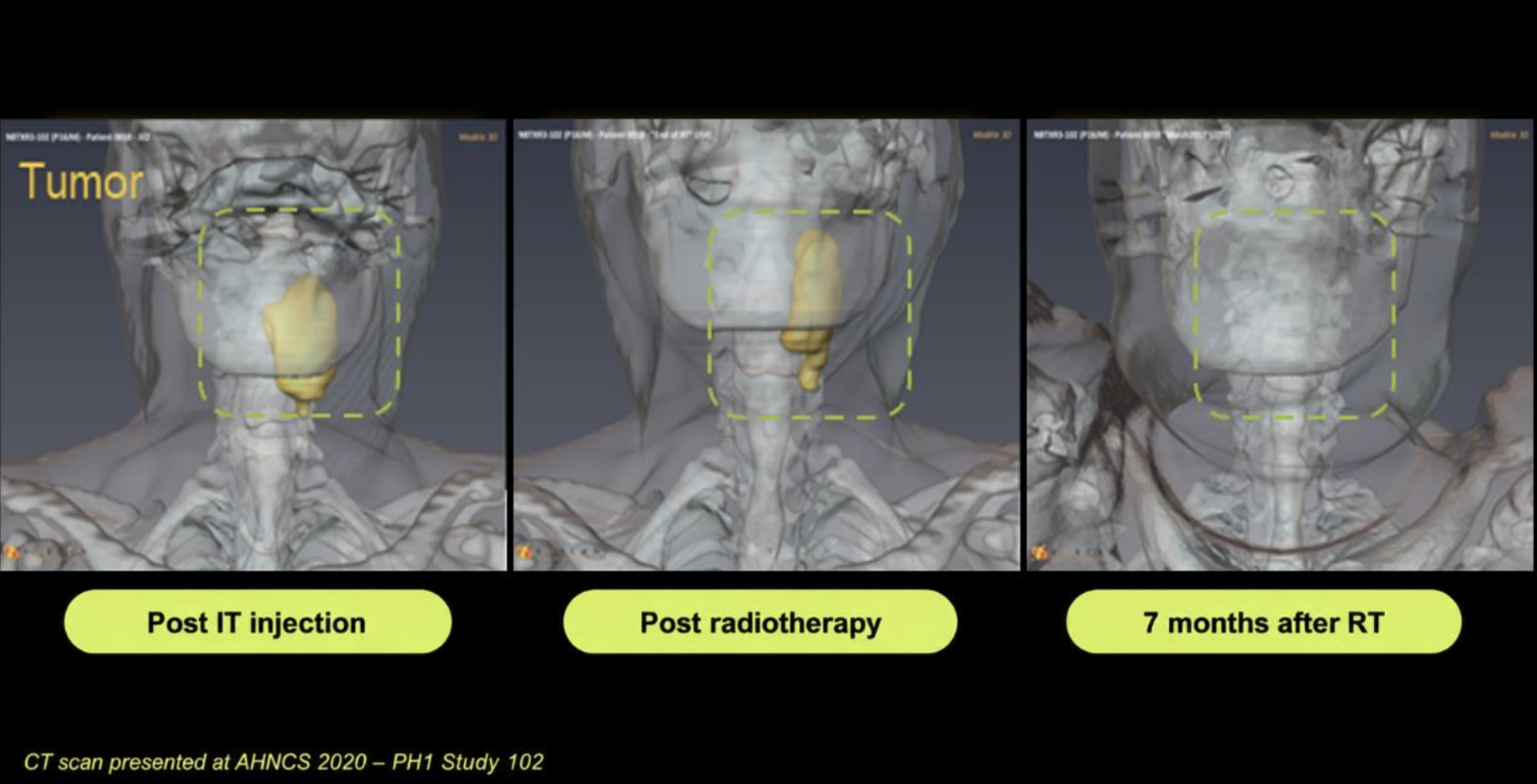
The treatment consists of crystalline hafnium oxide nanoparticles injected directly into a tumor before a patient receives radiotherapy. Hafnium is an exceptionally efficient absorber of X-rays. When exposed to radiation, the nanoparticles amplify the energy deposited within tumor cells, increasing the local impact of the treatment without increasing the radiation dose delivered to surrounding healthy tissue.
"The particle is injected directly into the tumor, where it stays," Lévy explained. "It only switches 'on' when it receives X-rays."
Nanobiotix is not changing the radiotherapy equipment or increasing radiation doses. It is trying to make every X-ray more effective where it is most needed.
The treatment has been evaluated across multiple tumor types, including head and neck, lung, pancreatic, liver and oesophageal cancers.
The company's pivotal Phase III program in locally advanced head and neck cancer produced positive results, the furthest its technology has been tested. Additional studies continue in other cancers, with further clinical milestones expected over the coming year.
Around 60% of cancer patients receive radiotherapy during the course of their treatment, making it one of oncology's most widely used therapies.
Why Johnson & Johnson matters
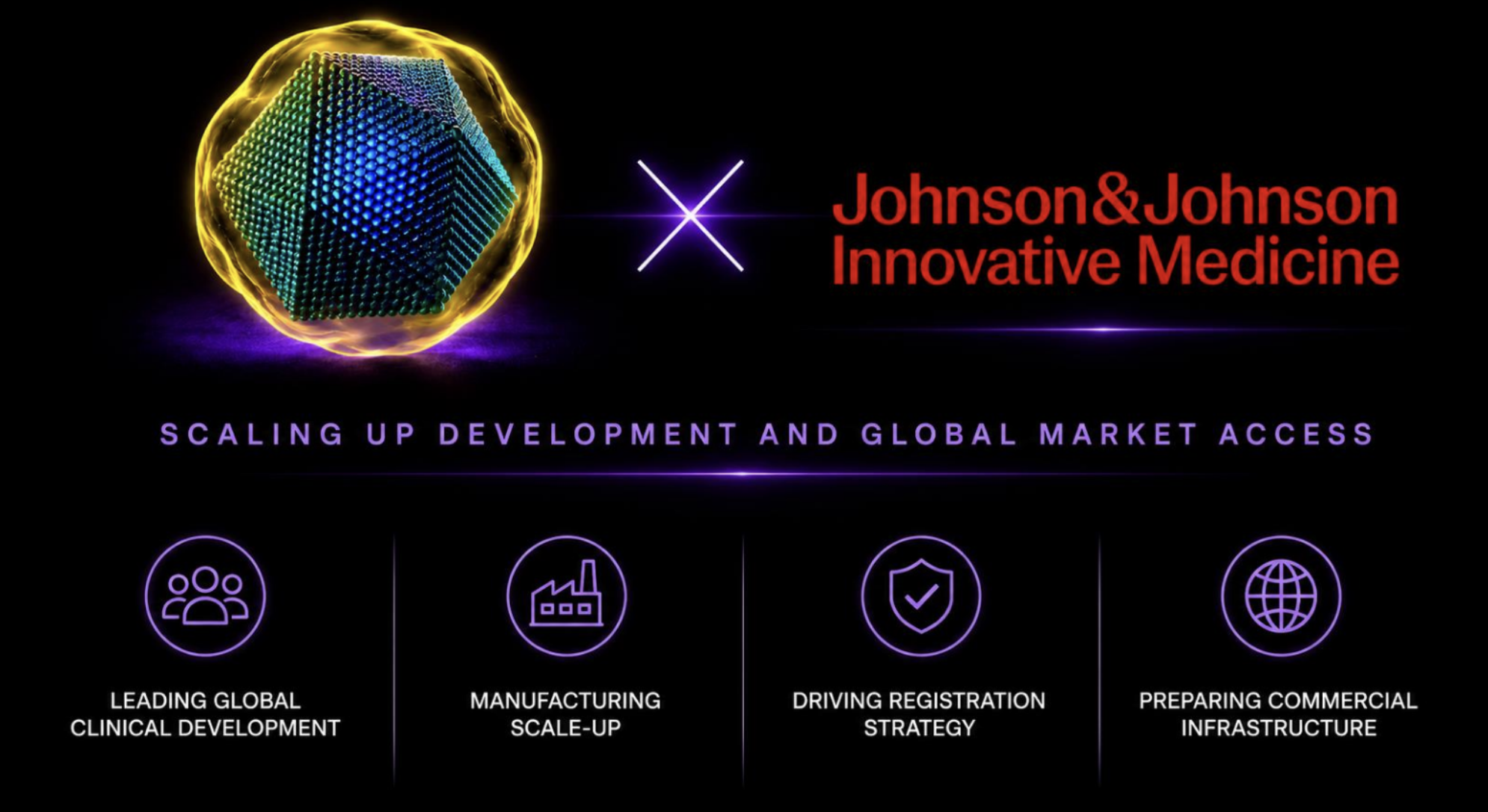
For a company that spent more than twenty years developing its technology, the global licensing agreement with Johnson & Johnson was the turning point.
The deal gives J&J responsibility for late-stage development, regulatory approvals and worldwide commercialization of the treatment.
For Nanobiotix, it changes the business model. Instead of building its own global commercial organization, the company can focus on developing its technology while collecting milestone payments and future royalties if the product reaches the market. The agreement includes the potential for billions of dollars in development and commercial milestones, as well as tiered royalties on future sales.
"We estimate that sales will generate around $6 billion, with circa $1 billion in royalties for Nanobiotix," Lévy said.
He insists the biggest prize is not financial.
"The most important thing," he said, "is the validation of this entirely new approach."
J&J's global footprint also played a decisive role in the partnership.
"They have the ability to bring this product to hospitals around the world," Lévy said. "That was one of the reasons we chose them."
Becoming a platform company
NBTXR3 remains Nanobiotix's flagship program, but Lévy increasingly describes it as the first validation of a broader scientific platform.
Its second technology, Nanoprimer, addresses a challenge facing many of today's most advanced medicines. RNA therapies, gene therapies, and lipid nanoparticle (LNP)-based treatments are often cleared by the liver before reaching their intended targets, limiting their effectiveness and sometimes increasing toxicity.
Nanoprimer is designed to temporarily occupy the liver's natural clearance pathways, allowing more of these therapies to circulate through the body and reach diseased tissues. It is intended to enhance existing medicines, not replace them.
The platform is still preclinical, but Nanobiotix is already working with pharmaceutical companies to evaluate its potential across oncology, rare diseases, and other therapeutic areas.
"We're pursuing both partnerships with industry and our own internal pipeline," Lévy said.
If it works, Nanoprimer could expand Nanobiotix's business beyond oncology, turning it into a platform company capable of supporting multiple classes of complex therapeutics.
Looking beyond cancer
The company's third research platform is at an earlier stage. Researchers are investigating nanoparticles designed to modulate electrical communication between neurons, with possible applications in neurological disorders in which these signals are impaired.
Animal studies are underway, though the program is still years away from clinical development.
All three platforms share the same idea: engineered nanoparticles are the therapy, not the container for one.
France, America and building a global biotech
Like many European biotech founders, Lévy has built Nanobiotix across both sides of the Atlantic.
The company listed on Euronext Paris in 2012 before joining Nasdaq in 2020, giving it access to a much broader pool of specialist healthcare investors. Its latest oversubscribed €85 million financing, completed earlier this year, was supported by existing shareholders, including Qatar Holding LLC and Invus, as well as other healthcare specialists and new, unnamed US investors. It extends the company's runway into 2029 and allows it to advance its own platforms independently of future milestone payments from Johnson & Johnson.
For Lévy, success in biotech has never been about choosing between Europe and the United States.
"The US remains the world's biggest healthcare market," he said. "It would be suicidal not to be there."
Europe retains important advantages. Clinical trial recruitment can sometimes be faster, he argues, and companies frequently benefit from greater long-term employee loyalty than in the US.
"People stay with us for many years," he said. "That stability has been incredibly valuable."
Europe's biggest limitation, he believes, is psychological rather than scientific.
"We often see the glass as half empty," he said. "We're too afraid of risk."
His own company, he argues, demonstrates that breakthrough innovation need not originate in Silicon Valley or Boston.
"We started in France, in our own laboratory, with our own technology," he said.
More than twenty years later, with a first commercial product approaching and two more platforms behind it, Nanobiotix is no longer just betting that nanoparticles can improve cancer treatment. It is betting that physics can be a drug.