In 2010, when commercial cloud computing was still in its infancy, American technology companies were already laying the foundations of today’s digital infrastructure.
Sixteen years on and Europe’s dependence on US technology has deepened rather than diminished. US hyperscalers now control around 70% of the European cloud market, according to Synergy Research Group, while domestic providers account for just 15%.
For years, this dependence attracted relatively little attention beyond a circle of critics. But today’s geopolitical climate has changed the equation. The 2018 US CLOUD Act, which allows US authorities to compel American service providers to disclose data under their control, even when stored overseas, has added to concerns about Europe’s digital sovereignty.
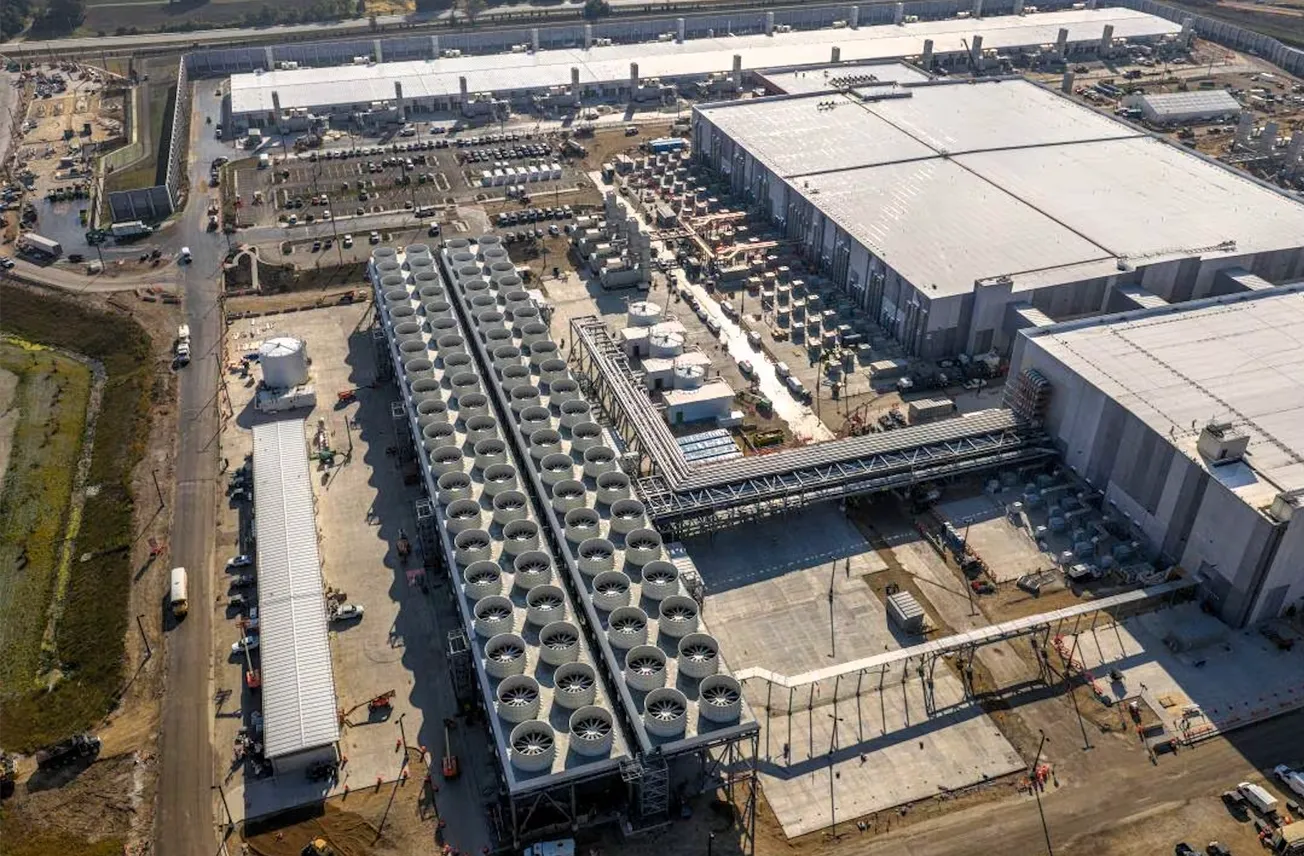
Meanwhile, the rapid development of AI is driving demand for computing capacity on an unprecedented scale. Together, these developments have brought data centers - the physical infrastructure underpinning cloud computing, digital services and AI - firmly into the geopolitical and economic spotlight.
The question for Europe is no longer simply who controls its data, but where the infrastructure needed to store and process it will be built.
France’s opportunity
France has a significant advantage in attracting data center investment: its electricity supply. In 2025, low-carbon sources - nuclear and renewables - accounted for over 95% of French electricity production.