ChangeNOW, the annual Paris-based gathering of international investors, entrepreneurs, policymakers, and corporations focused on accelerating solutions for the planet, has just wrapped its 9th edition
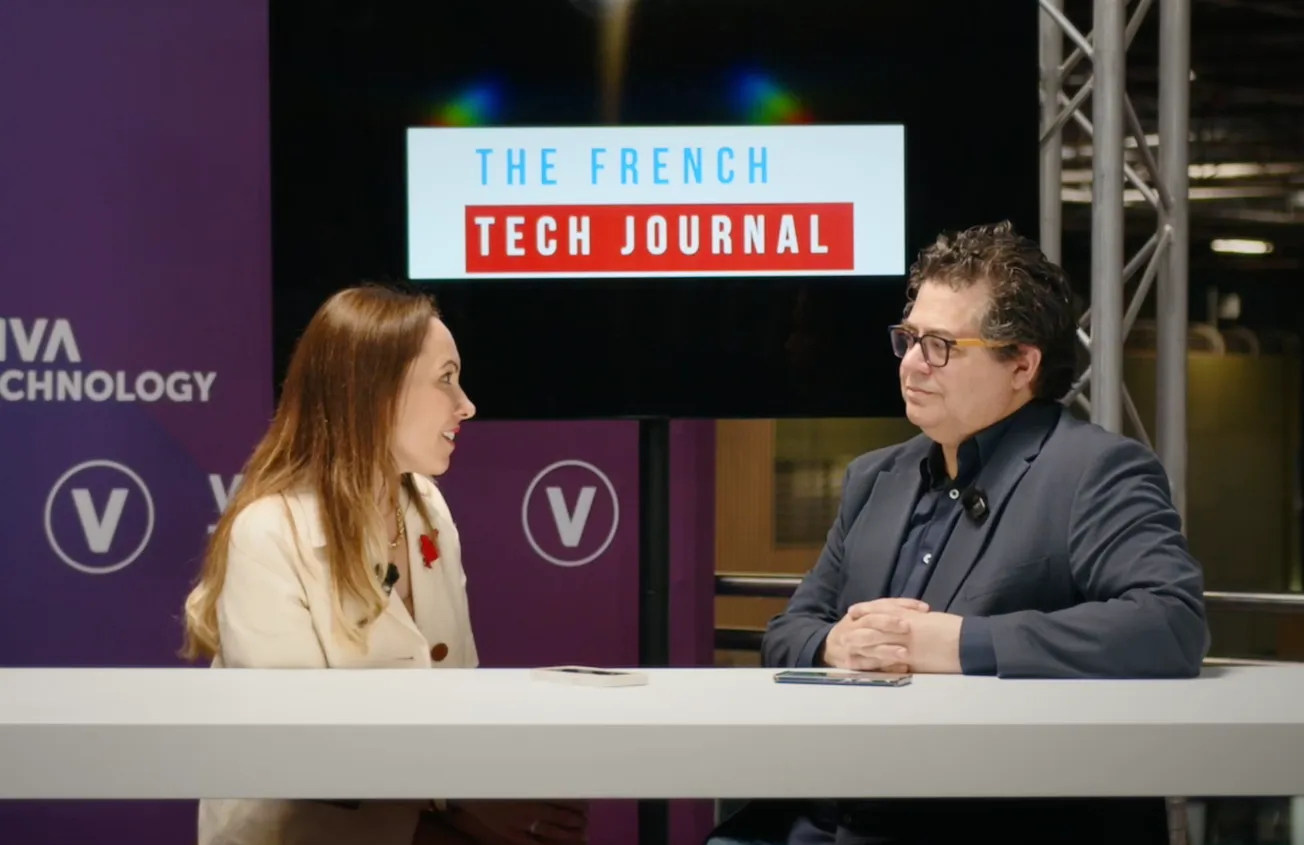
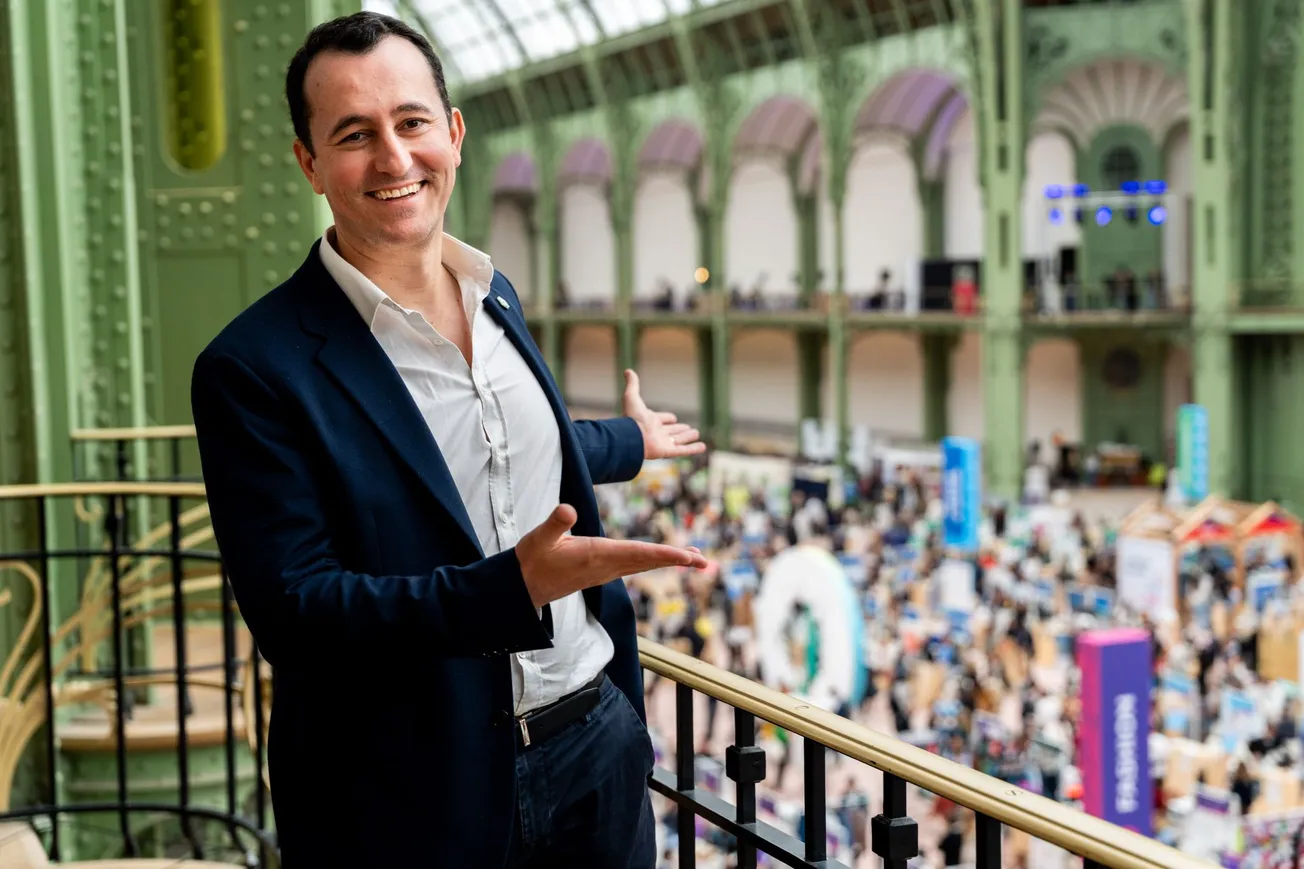
As it closed on Wednesday after three days of conversations, deals, and encounters, I caught up with founder and CEO Santiago Lefebvre to reflect on this year’s edition.
Against a backdrop of geopolitical tensions and shifting priorities, the tone wasn’t one of optimism for its own sake, but of continuity and resilience. While the broader narrative may be evolving, the core ecosystem of changemakers is still moving, and the work hasn’t stopped.
For Lefebvre, that is the real signal that lies loud and clear, beneath the noise.
Q: How many people gathered at this year’s ChangeNOW, and what does that say about momentum?
SL: At a time when climate ambition is facing political backlash and growing skepticism, at ChangeNOW, we didn’t try to argue louder. We just showed up.
Around 40,000 people attended, which is consistent with last year. What’s new is the level of investor engagement. We had 1,400 investors, up again from last year, and a record for us.
More broadly, even if there’s a slowdown in how climate and ESG are discussed, the ecosystem remains very active. Around 10,000 of our attendees were startups and companies building solutions. They’re not waiting for a change of context, they’re adapting and continuing.
Q: What themes stood out this year?
SL: We structured the program around three major dynamics.
First, planetary limits. We’ve already crossed seven of the nine planetary boundaries, the scientific framework that defines the safe environmental limits within which humanity can operate without destabilizing the Earth's climate. That is only one part of a wider imbalance.
Second, the pushback on climate and social issues. There’s more noise, more skepticism, but the underlying data hasn’t changed. The impacts are becoming increasingly visible, and the scientific facts are there.
And third, geopolitics. In a more fragmented world, it’s easy to feel that change depends on political decisions. But what we see here suggests otherwise. Change often starts from the ground up, through people and organizations that decide to act regardless of the context.
What innovation trends emerged this week?
SL: There’s a clear focus on practical solutions. A lot of startups are working at the intersection of climate and sovereignty: energy, new materials, and supply chains.
Circularity remains a strong theme, as does regenerative agriculture, where we’re seeing a growing community of startups. There’s also more activity around ocean tech and freshwater, which are becoming increasingly strategic resources.
Q: And what role is AI playing?
SL: AI is widely used, but contrary to the many generative AI tools we see being developed today, it's rarely the starting point. Here, AI is mostly an enabler within broader solutions.
There’s also growing awareness of its environmental cost, particularly in terms of energy and water use. So the focus tends to be on solving the problem first and then deciding whether AI is the right tool.
Q: Is the impact agenda losing ground?
SL: The way we talk about it may be evolving, especially with defense and sovereignty becoming more prominent. But the fundamentals are still there.
If anything, the current energy context highlights how dependent we remain on existing systems and fossil fuels, how vulnerable that makes us, and why alternatives are necessary. The level of investor interest we’re seeing also confirms that these solutions make real economic sense.
Q: What concrete outcomes have you seen from this year’s edition?
SL: We know from our data that 57% of startups generate their annual leads during ChangeNOW in just three days. This year, we also had 500 open roles through the job fair.
And beyond the numbers, there are very tangible outcomes. For example, partnerships formed here last year led to a partnership that provided clean water to around 12,000 children in Uganda.
Q: Some critics say events like this are more about visibility than impact. What’s your response?
SL: The event itself is just the visible part. Behind it, the team works year-round to create the right connections between startups, investors, and corporates.
During the three days, our focus is on facilitating those encounters. The objective isn’t visibility. It’s making things happen.
Q: What stood out for you personally this year?
SL: The emphasis on inclusion and accessibility. Our closing speaker, Olivier Goy, brought a powerful perspective on resilience and dignity in the face of illness and disability. It was an important reminder that innovation is not only about technology, but about the kind of society we want to build.
Q: And finally, what would need to change over the next year for you to call this a success?
SL: A shift in perception.
There will always be skepticism, but today we already have clear scientific and economic evidence that climate action is both necessary and viable.
The challenge is to make that more widely understood, to accentuate that message, and to keep people engaged. What this week shows is that many are already willing to stay committed and continue pushing forward. True change happens at the roots.