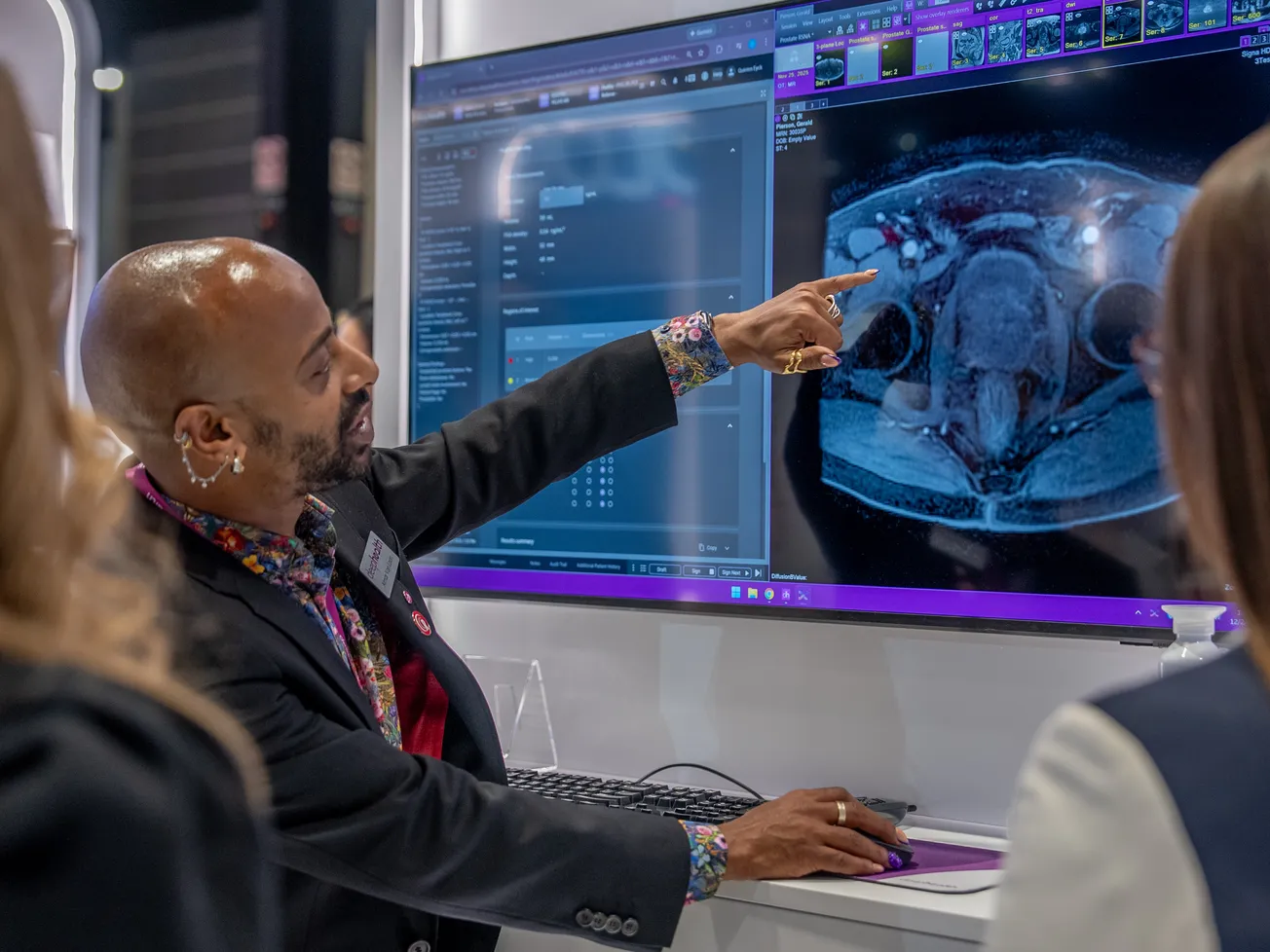
Gleamer, the Paris-based medtech using AI to reduce radiology misdiagnoses, has been acquired by U.S. imaging giant RadNet in a deal valued at €230 million. After months of rumors, the deal will fold Gleamer into RadNet’s DeepHealth unit, effectively turning it into the group’s French outpost.
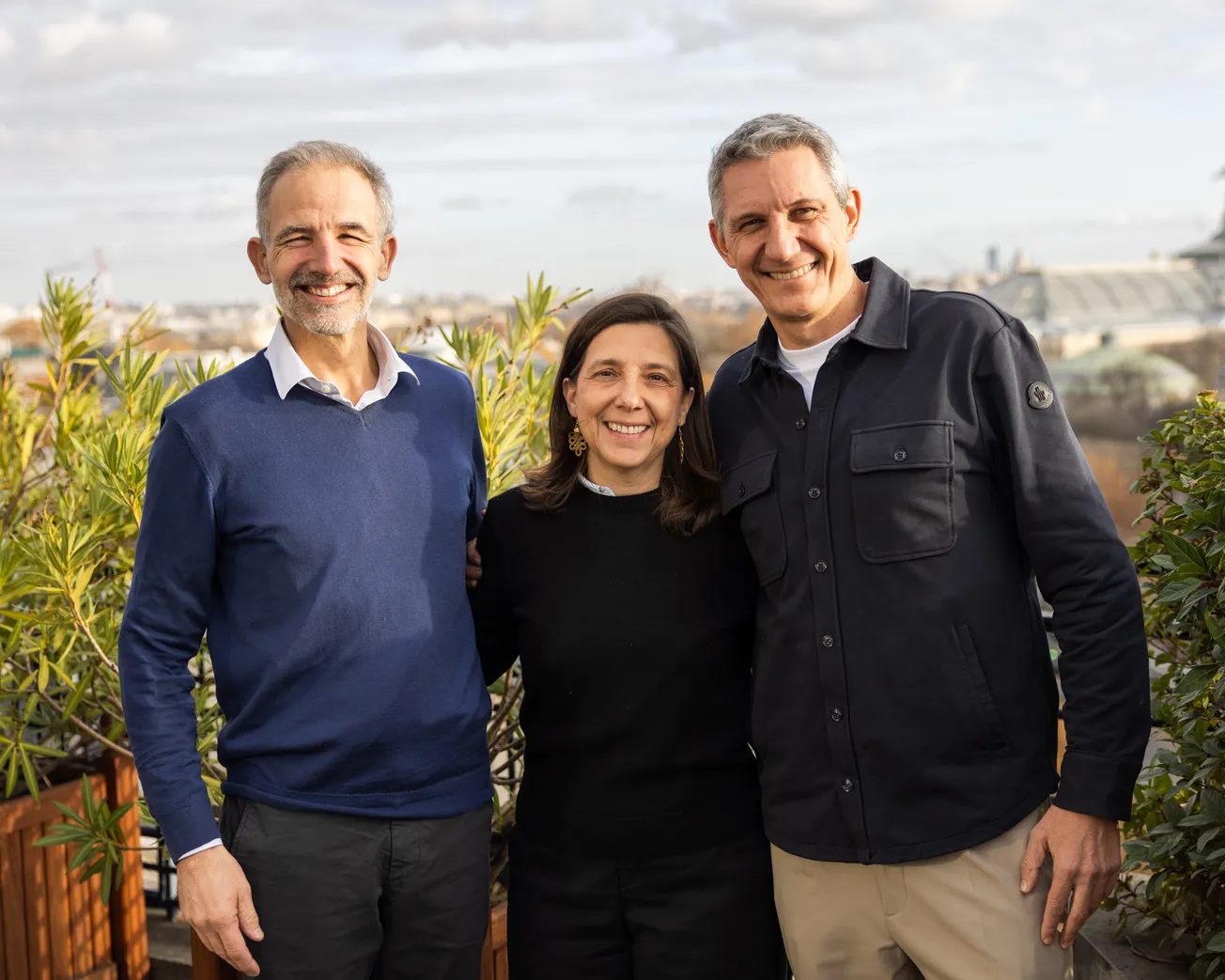
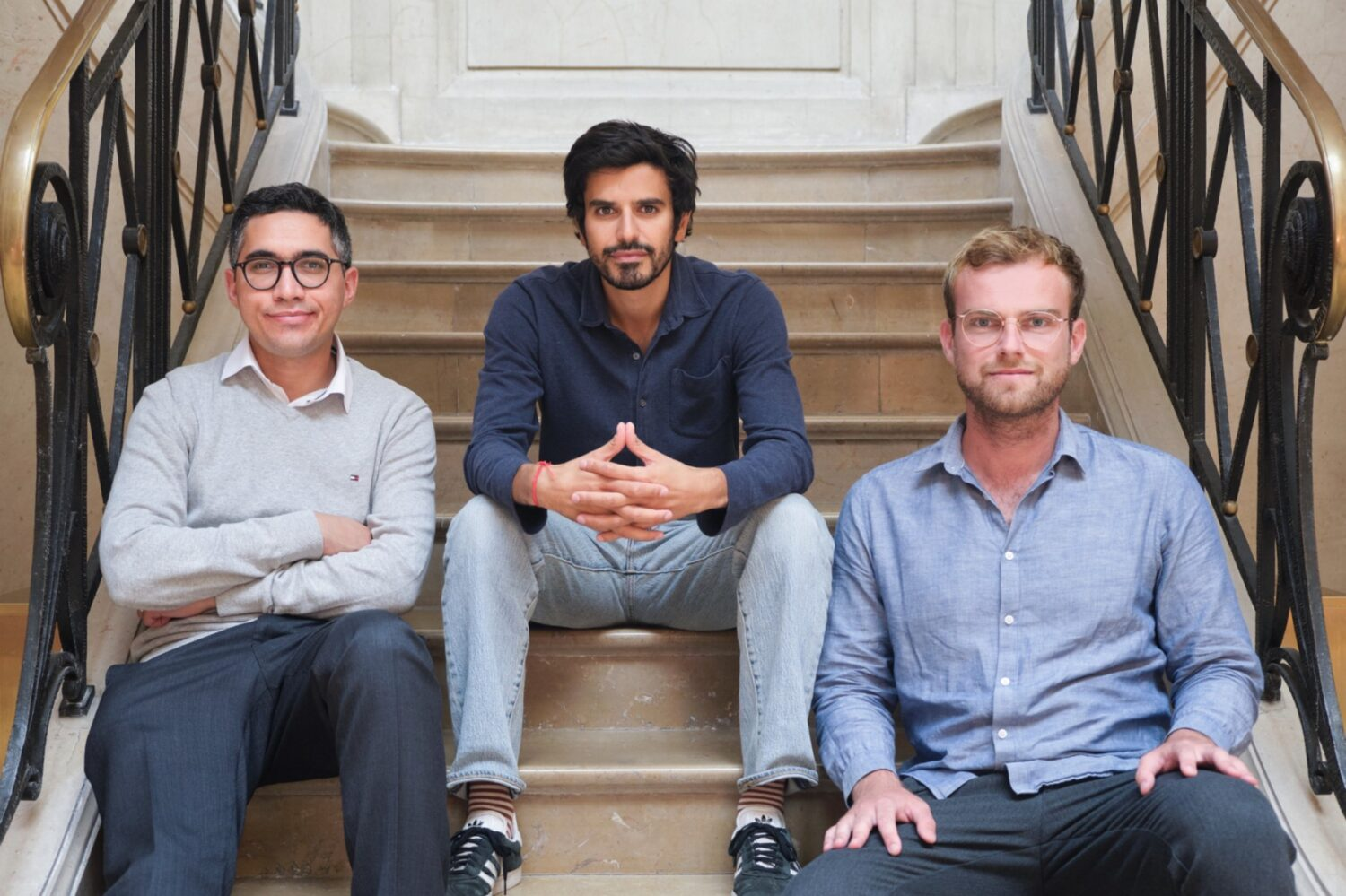
Founded in 2017 by Christian Allouche, Dr. Alexis Ducarouge, and Dr. Nor-eddine Regnard, the company had raised roughly €50 million across 3 funding rounds: €27M in 2023, €7.5M in 2020, and €1.1M in 2018.
By the end of 2025, Gleamer had reached around €30 million in annual recurring revenue and built a customer base of roughly 700 clients across 44 countries. It's the kind of commercial traction that tends to get strategic buyers’ attention.
For a French tech ecosystem that hasn’t exactly been drowning in blockbuster exits lately, Gleamer’s acquisition is certainly notable both for its size and its timing. Last year, the company shifted into consolidation mode, acquiring Pixyl and Caerus Medical, two startups specializing in AI-powered medical MRI readings.
That raised the question: Was Gleamer building momentum toward becoming a new AI champion? As it turns out, not quite.
Instead, it will have to settle for the title of France's latest liquidity champion.
According to Avolta data, the total value of French tech exits plunged 73% in 2025 to €4.1 billion, back to 2020 levels. While deal volume rose (up 15% to 406 transactions), the market was dominated by smaller outcomes. The median deal size fell to €24.4 million, down from €40 million a year earlier.
Only six French tech deals topped €100 million last year, including medtech players Amplitude Surgical and Stilla Technologies, making nine-figure outcomes the exception rather than the rule.
Fixing radiology’s growing bottleneck
At its core, Gleamer is tackling a problem radiology departments know all too well: there are too many scans and not enough human eyes.
Imaging volumes have been rising steadily for years, driven by ageing populations, expanded screening programmes, and more imaging-heavy care pathways. But the number of radiologists hasn’t kept pace. The result is a structural squeeze: growing backlogs, rising burnout, and, most critically, the persistent risk of missed findings.
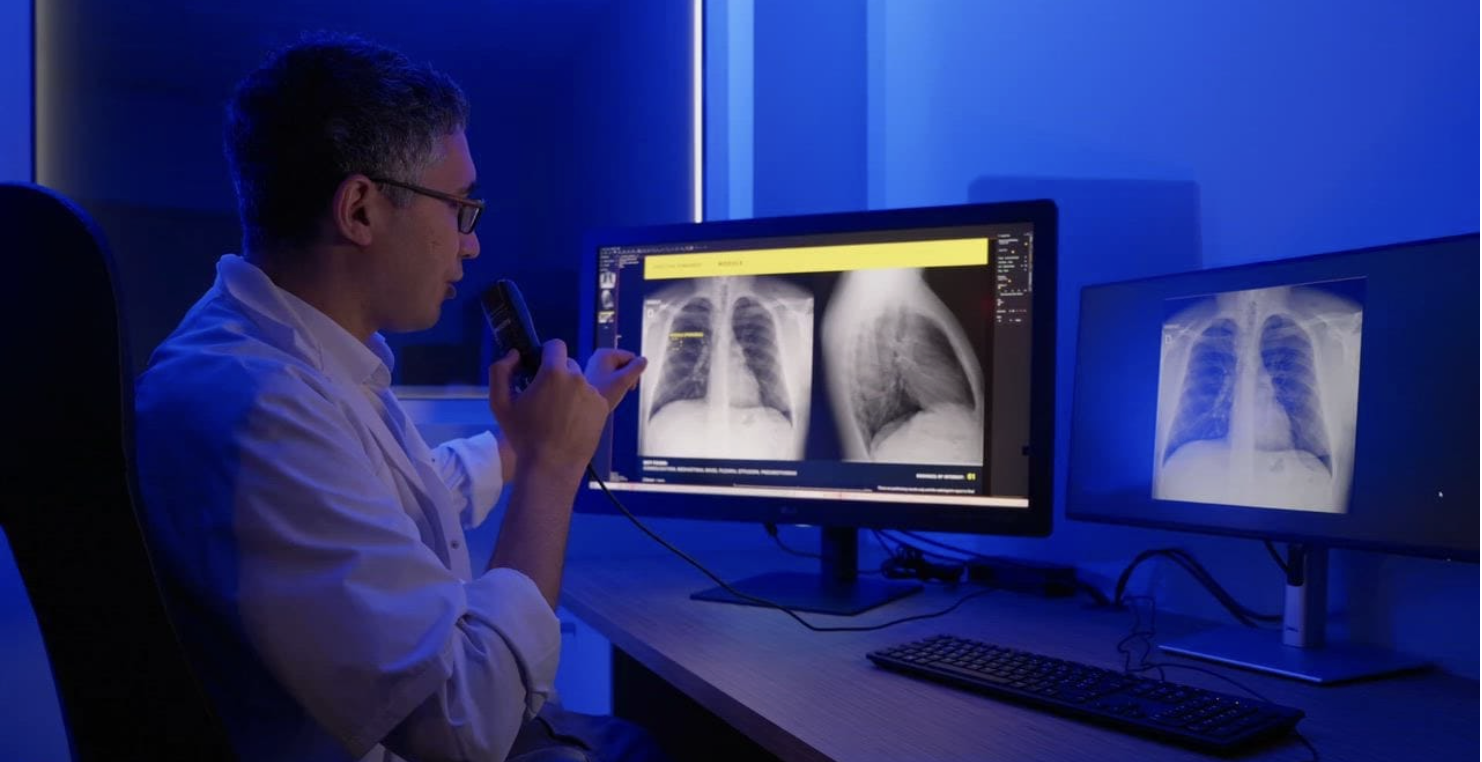
Gleamer’s AI-powered software is designed to act as a “Co-pilot” sitting directly inside the radiologist’s workflow as a clinical decision support layer.
Using deep learning models trained on large annotated imaging datasets, the platform analyzes medical images, including X-rays, CT scans, MMG, and MRI. It flags suspicious patterns that could indicate fractures, lesions, or other abnormalities. And it is capable of detecting problems that the human eye and general LLMs can miss.
Gleamer has consistently positioned its software not as a replacement for clinicians but as a high-precision second pair of eyes. That positioning has helped clinical adoption. The platform is designed to reduce oversight errors, standardize detection quality, and help radiologists triage cases faster.


In high-throughput environments such as emergency departments and screening programmes, even marginal accuracy gains can have an outsized clinical impact. Gleamer says its tools deliver measurable improvements, including:
- around 30% reduction in diagnostic error rates on average,
- 30–40% faster interpretation time per exam,
- and, in one panel of 300 mammograms, 82% cancer detection by AI versus 60% by radiologists alone.
Today, Gleamer counts four FDA-cleared devices and six CE-marked solutions, which are set to be integrated into RadNet’s digital health subsidiary, DeepHealth.
Beyond image analysis, the company has been expanding into workflow automation. Its recently launched Voice assistant converts radiologists’ dictated notes into structured reports, while AutoReport generates ready-to-share summaries highlighting AI findings, key observations, and suggested impressions.
At the infrastructure level, Gleamer has also been working on integrations with broader hospital IT environments, including electronic health records and clinical decision support systems, aiming to embed its AI directly into routine radiology workflows rather than operate as a standalone tool.
What makes the company strategically compelling, however, is its clear pivot beyond single-modality AI toward a more unified imaging intelligence platform, a shift that aligns closely with RadNet’s broader DeepHealth ambitions.
Why RadNet moved
For RadNet, which operates more than 400 imaging centers across the United States, the acquisition of Gleamer looks less like opportunistic shopping and more like long-term capacity planning.
The math facing large imaging providers is getting uncomfortable: scan volumes are rising, radiologist supply is constrained, and reimbursement pressure isn’t easing.
In medtech, AI is increasingly viewed not as a nice-to-have but as infrastructure.
DeepHealth CEO Kees Wesdorp argues that standalone algorithms are no longer enough. “AI on its own doesn’t create value - it has to be embedded directly into clinical workflows and IT infrastructure,” he said. “That’s where we believe the next phase of imaging AI will be won.”
That integration push is already showing clinical impact. Through a major UK lung cancer screening programme, DeepHealth says it has helped significantly shift detection toward earlier stages of disease. "In the UK we have stage shifted disease with 76% of screen-detected lung cancers discovered at stage I or II, compared to 29% historically,” Wesdorp said. “That kind of stage shift is massive for patient outcomes."
Through DeepHealth, RadNet has been assembling what it hopes will become a comprehensive clinical AI portfolio across modalities. Gleamer brings three things that are hard to build quickly in-house:
- clinically validated imaging models
- international commercial footprint
- and a multi-modality roadmap already in motion
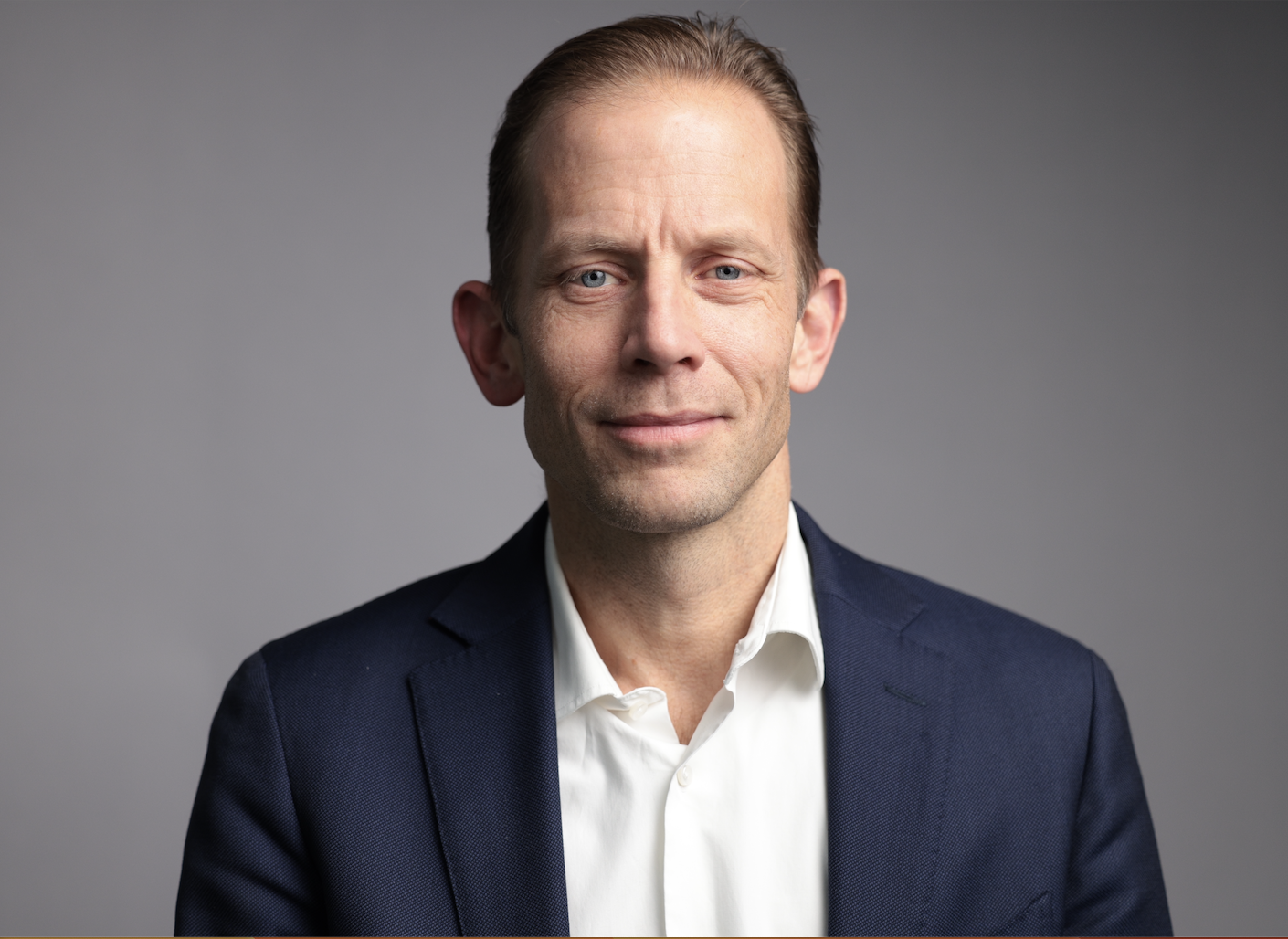
Elaia Life Sciences investor Florian Denis, who backed Gleamer at the seed stage, said the U.S. imaging group’s interest came quickly and decisively.
Countering last year’s rumours about an early sale, Denis said: “We didn’t decide to sell the company - it was a pure coincidence. RadNet contacted Gleamer back in October, and things moved very fast.”
According to him, RadNet’s conviction was driven less by opportunism than by long-term strategic fit.
“For RadNet, this was a perfect match,” Denis said. “They were impressed by the vision and by Christian and the team - the science, the commercial execution, and the regulatory progress. Gleamer had already demonstrated exponential growth in Europe and the U.S.”
Just as importantly, Gleamer arrives de-risked. With ~€30 million in ARR and hundreds of customers, this is not an early research bet. It’s a scaled European asset with real-world deployment.
Selling out or buying in?
The deal was somewhat surprising considering that Gleamer had only recently gone on its own acquisition spree. Those moves hinted at something else: the possible emergence of a European imaging AI consolidator.
Instead, the company is now being absorbed into a U.S. imaging heavyweight.
Following Monday’s Gleamer acquisition the company is now introducing in Europe what it describes as the industry’s most comprehensive portfolio of native clinical AI solutions across all core imaging modalities - MR, CT, X-ray, Mammography, and Ultrasound — and spanning detection, assessment and monitoring – all delivered through a unified, cloud-first platform.
From Elaia’s perspective, being part of that outcome reflects acceleration more than capitulation.
“We should remember what matters: if this kind of transaction accelerates access to life-saving technology, that’s a positive,” Denis said. “The jobs in France are all being maintained, and the ambition remains global.”
The sceptical take: France still struggles to produce and keep global medtech champions. When startups reach escape velocity, foreign buyers often provide the most credible liquidity path.
Still, the deal also highlights a structural question for the French ecosystem.
“Maybe it also means we still lack sufficient growth capital in France,” Denis also pointed out. “That’s exactly why at Elaia we’re building partnerships - like the one with Lazard - to help fill this gap and support companies later into their scaling phase.”
The pragmatic take: For Gleamer, as for many medtechs, rapid distribution beats independence. Plugging into RadNet’s installed base of hundreds of imaging centres could dramatically accelerate clinical adoption in a way few standalone European scale-ups can match, particularly in Europe, where fragmented markets and national regulatory layers continue to slow cross-border scaling.

What happens next
In the near term, Gleamer is expected to operate within RadNet’s DeepHealth structure while serving as the group’s European AI hub. In any case, Elaia expects continuity from the founding team.
“Christian and the co-founders are staying on, at least for now, and will help deploy the platform across Europe and the U.S.,” Denis said. “I’m convinced they’re going to build something very big from here. Now the focus is on commercial execution.”
RadNet, for its part, is signaling a fairly hands-on integration.
“Gleamer is a significant acquisition for us,” DeepHealth CEO Kees Wesdorp said. “We fully intend to integrate their portfolio while keeping the entire team in place. The Gleamer sales organisation will remain focused on driving commercial momentum in Europe.”
The bigger strategic question is how aggressively RadNet intends to build around the asset. If DeepHealth continues its platform push, Gleamer could become:
- a cornerstone of a broader imaging AI suite
- RadNet’s primary European foothold
- the nucleus of further AI acquisitions
Wesdorp suggested the group’s ambitions extend beyond a single deal. “We have a very active growth strategy,” he said. “We acquire, we scale - but we remain disciplined. Any acquisition we pursue has to make clear strategic sense.”
Meanwhile, the competitive landscape is heating up. Imaging providers, device manufacturers, and AI specialists are all converging on the same prize: the end-to-end intelligent radiology workflow.
For now, Gleamer has achieved something still relatively rare in today’s French tech market: a sizable exit in a down cycle.
The next chapter will determine whether this was the moment France exported another promising medtech asset - or the point at which one of its AI champions truly plugged into global scale.
More broadly, Florian Denis sees Gleamer as part of a deeper shift in French AI.
“France has world-class academics and has long been known for its research strength,” he said. “What we’re seeing now, after seven years with Gleamer, is proof that the equity story is being built. It takes time, but this is an important signal.”
Looking ahead, he expects the next wave of winners to come from highly differentiated vertical AI rather than general-purpose models.
“The players that will make a real difference will combine proprietary data, regulatory approval, and strong product backbones,” Denis said. “In the coming wave of medical AI, differentiation - not speed - will separate durable platforms from the rest.”