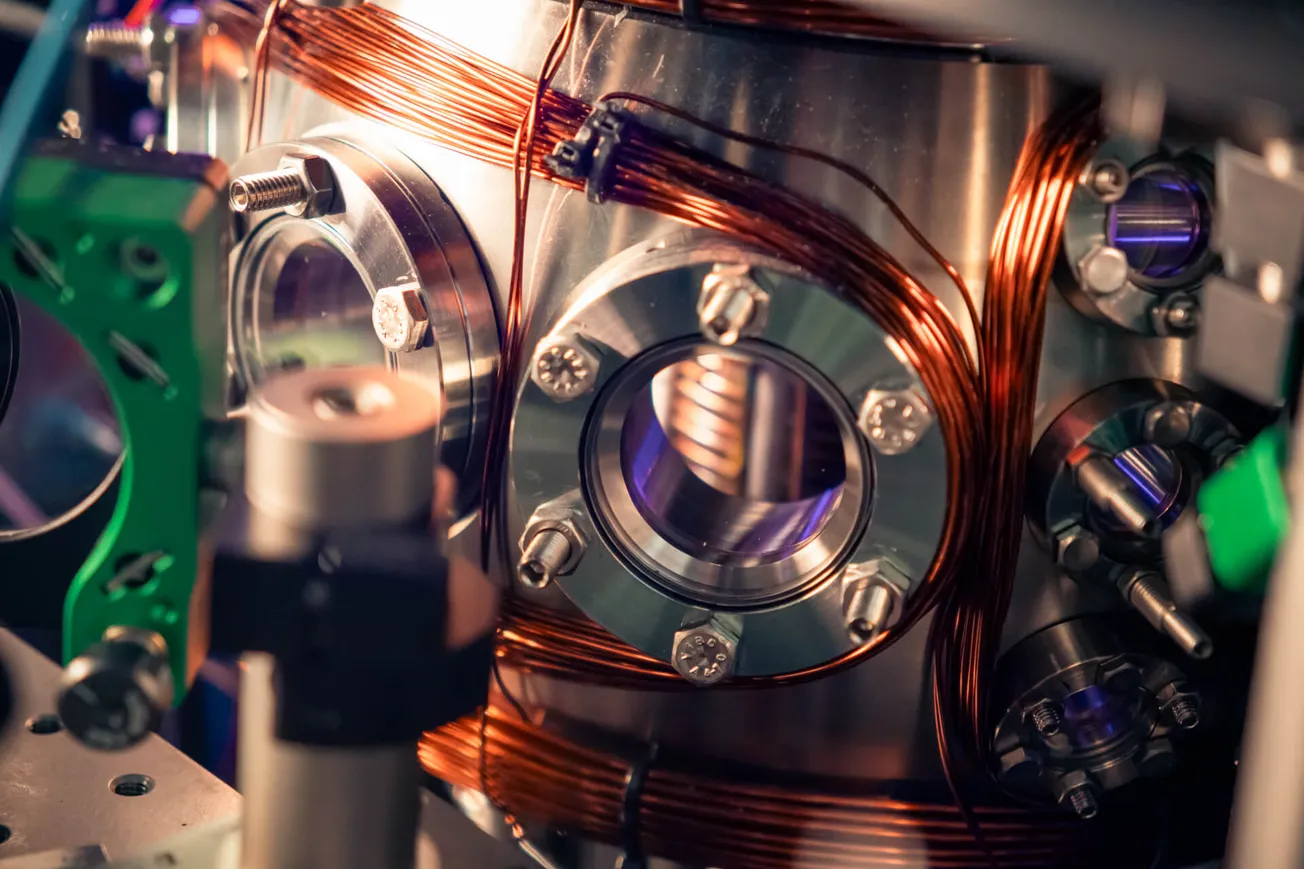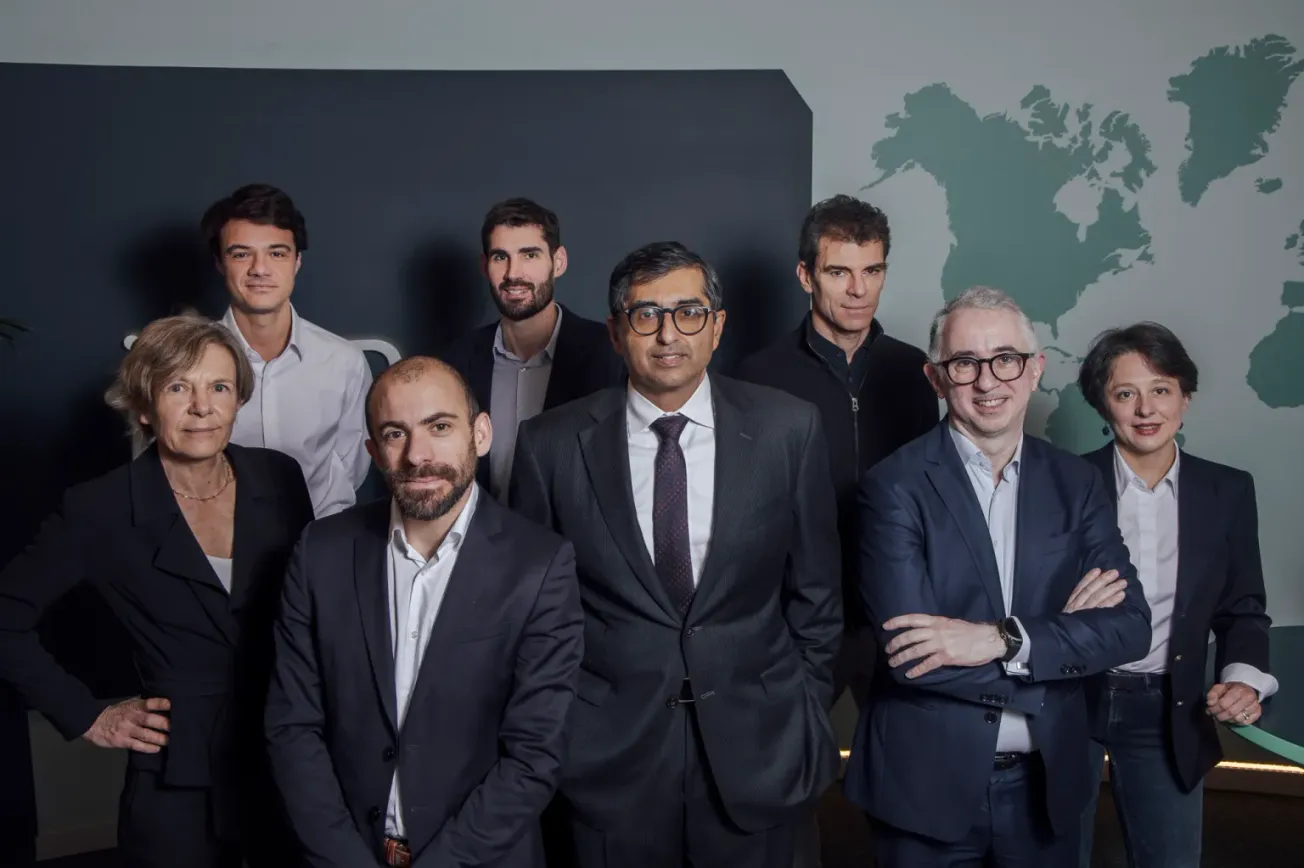
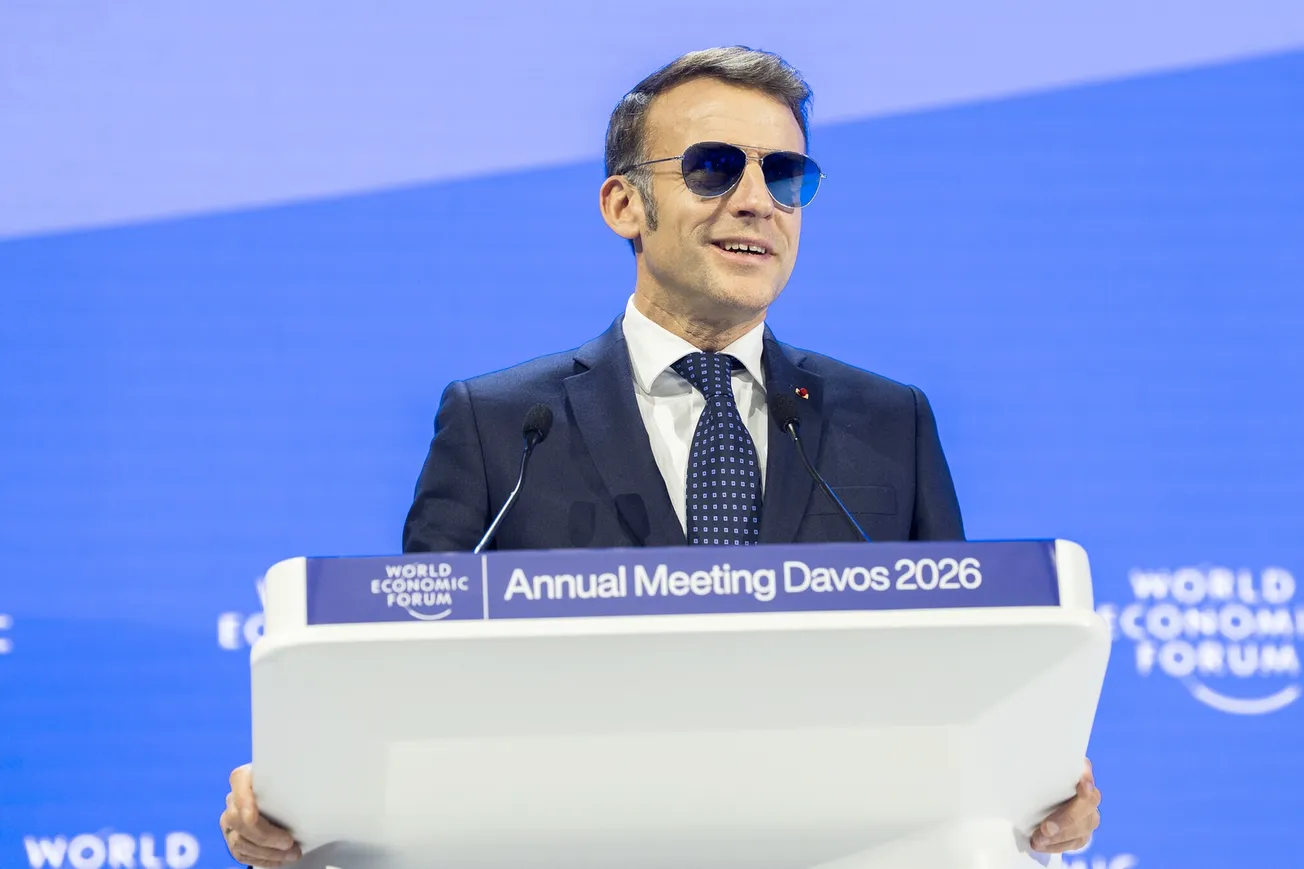
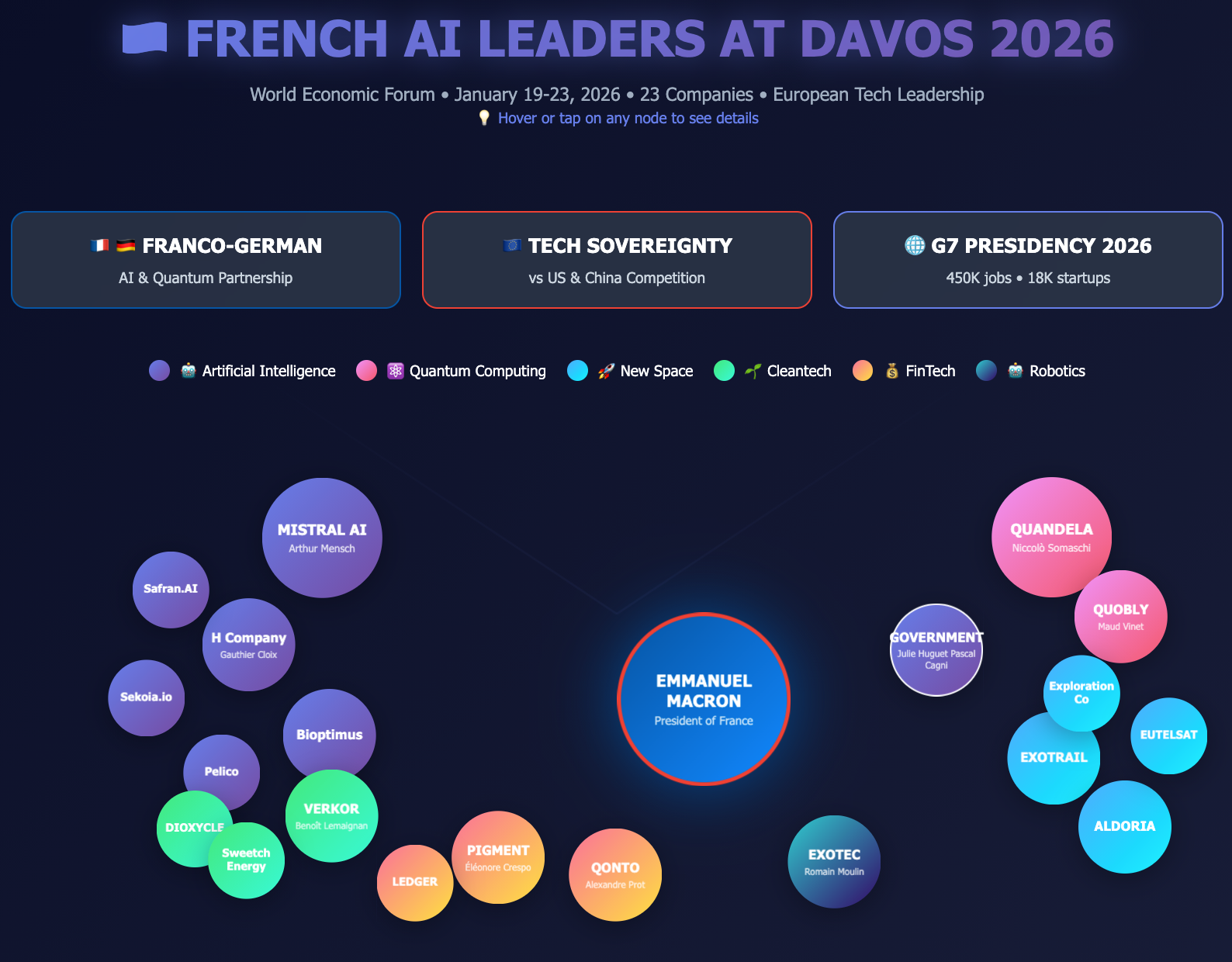
🧠 As President Emmanuel Macron arrived in Davos with one of France’s largest-ever tech delegations, Paris set out to prove it can anchor Europe’s AI ambitions by blending industrial scale, startup dynamism, and a sovereign vision to challenge US and Chinese dominance. Read our coverage here. Get more details on the French tech Davos delegation at our interactive graphic.
Chris O'Brien + Helen O'Reilly-Durand
Headlines
🗞️ Pennylane just bagged a hefty €175 million to cement its ambitions of becoming Europe’s go-to financial and accounting operating system and to pour even more fuel on its AI engine. The round was led by TCV, with Blackstone Growth and loyal backers like Sequoia and DST Global piling in, all swearing allegiance to a founder-first charter that promises no price hikes, no product U-turns, and no meddling in governance. Notably, this isn’t a cash-burn rescue mission: Pennylane says it was already nearing profitability and simply spotted a strategically irresistible moment. The company now serves 6,000 accounting firms and 800,000 businesses, and employs 1,000 people, and is growing faster than expected—always a nice problem to have. The new capital will bankroll an AI-powered “copilot” for accountants, prep the company for European market consolidation, and smooth the looming rollout of mandatory e-invoicing. Expansion starts with Germany, because nothing says confidence like tackling another country’s regulations head-on. CEO Arthur Waller discussed his vision for the company with us last year, including how those new invoicing regulations and AI could catalyze the company's ambitions.
 Chris O’Brien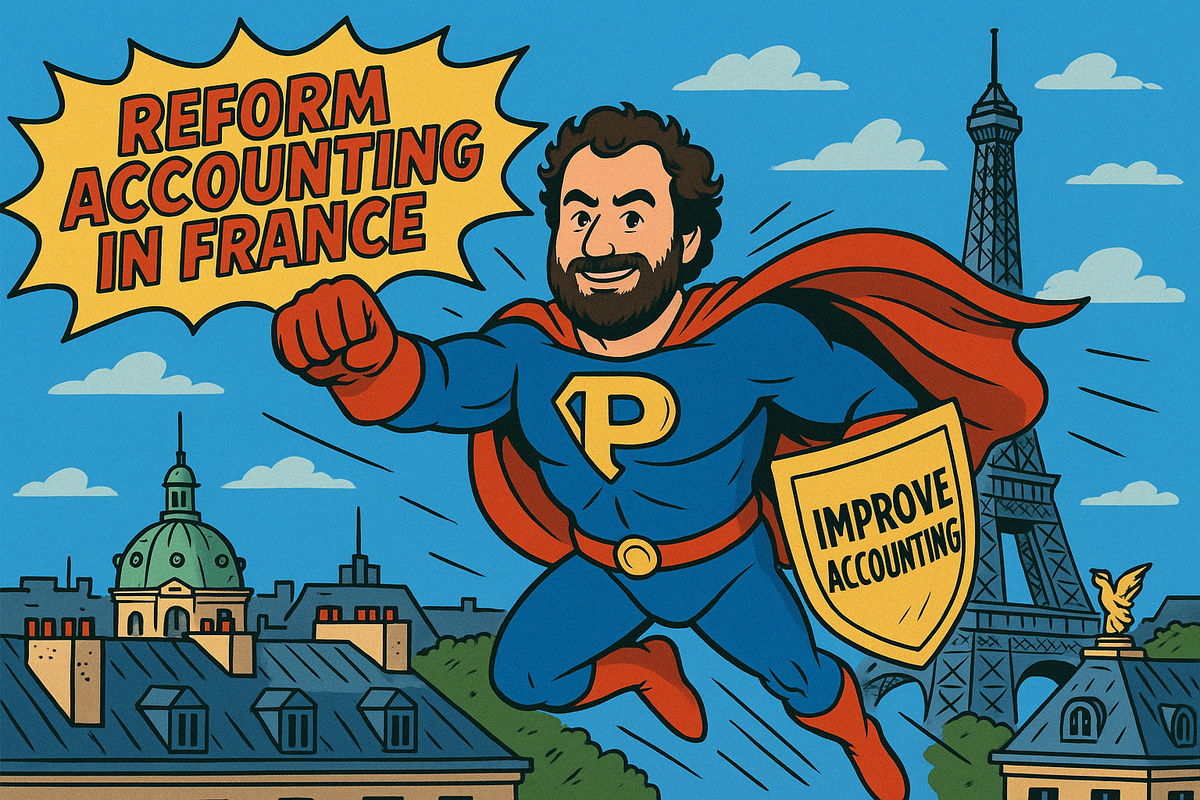
🗞️ Ursula von der Leyen unveils “EU Inc.” at Davos. On 20 January 2026, at the World Economic Forum in Davos, Ursula von der Leyen announced a long-awaited move for Europe’s founders: the creation of “EU Inc.” The program aims to introduce a single European company structure, with one simple rulebook applied across the EU.
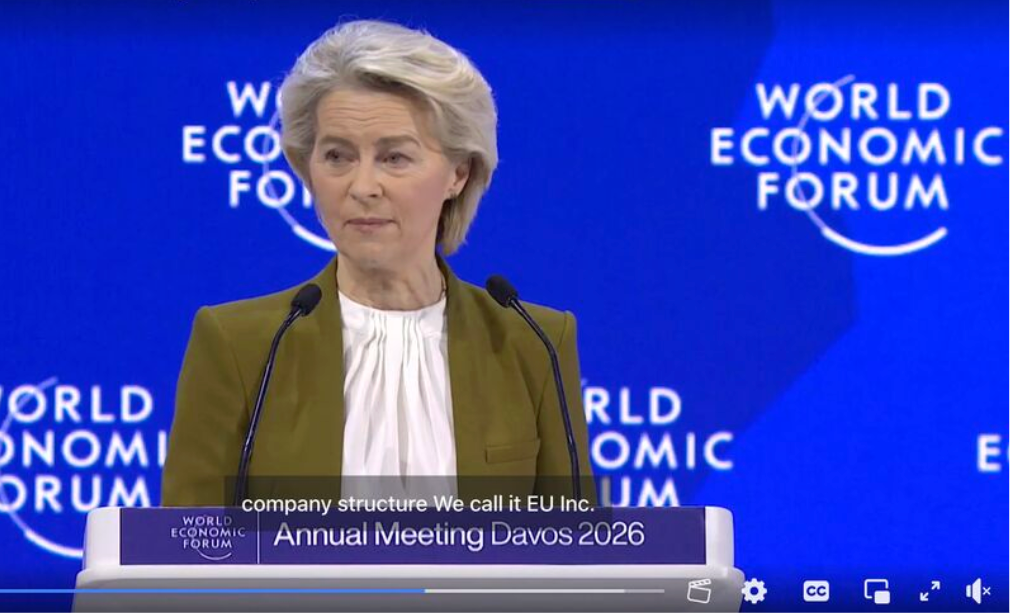
Founders would be able to register a company in any member state within 48 hours, fully online. "Ultimately, we need a system where companies can do business and raise financing seamlessly across Europe – just as easily as in uniform markets like the US or China," she said. "If we get this right – and if we move fast enough – this will not only help EU companies grow. But it will attract investment from across the world." | LinkedIn, EC
🗞️ Another Ami(go) for AMI. Ça y est. Laurent Solly has (finally) confirmed his move from Meta to Yann LeCun’s much-hyped AI startup, AMI. The former head of Meta Europe joins the venture as it bets on “world models,” - AI designed to understand and predict the physical world, not just autocomplete text like today’s LLMs. As a reminder, AMI is reportedly raising $500m at a $3bn valuation, and has already attracted heavyweight talent, including Alexandre Lebrun (ex-Nabla) and around 30 recruits from Meta, Google, and OpenAI. | Les Échos, Le Monde
🗞️ Airbus recruits Chinese humanoid Walker S2s to its production lines. Because apparently, human workers swapping batteries is so 2025. The Walker S2 can lift 15 kg, make 3D maps, and – plot twist! – replace its own battery without whining. No word yet on how many bots will join the fleet or when. They like suspense. UBTech isn’t new to the corporate robot party: BYD, Foxconn, and Texas Instruments already host its humanoids. Autonomy, efficiency, zero drama....sorry, humans, your lunch breaks are officially obsolete. | Usine Digitale
🗞️ The French Army just tested Hermione, a hydrogen-powered unmanned ground vehicle, at Saint-Cyr Coëtquidan under the Pendragon framework. It's another step toward an AI-directed combat unit by 2027. Built by Poland’s P.H.U. Lechmar and France’s H2X-Defense, Hermione's hybrid hydrogen fuel cell + 25 kWh battery delivers ~20 hours of endurance and a 3-minute refuel, tackling robotics’ energy bottleneck head-on. Trials focused on autonomy, unit-level integration, and logistics by pairing UGVs with tethered drones and mobile power nodes like H2X’s G-15/050. | Fuel Cells Work
🗞️ French Navy orders six VSR700 drones from Airbus Helicopters & Naval Group with entry into service from 2028. The VSR700 carries radar, EO sensors, and AIS, and integrates directly into ship systems via Naval Group’s Steeris® Mission System. Derived from the crewed Cabri G2, it’s meant to act as a force multiplier alongside manned helicopters, not a replacement -core to Airbus’s HTeaming concept. Airbus CEO Bruno Even stressed serial production with full aeronautical safety and French operational sovereignty. Versatile by design (ISR, logistics, armed recon - even firefighting), the real test now is integration and competition from rivals like Leonardo. | ePlane AI
🗞️ Bordeaux plans €3bn AI supercampus to boost digital sovereignty. BXIA, a €3bn privately funded AI and data center campus, is aimed at reclaiming French and European digital sovereignty. Financed by Osae Partners, the project will host secure data centres where strategic French firms can train AI models locally, with the first building expected in 2028. Built on an already artificialised site, BXIA promises eco-designed infrastructure, heat reuse, and low-impact cooling. Local officials hail the project as an economic engine that will create 2,000 construction jobs and 600 permanent roles. It's the latest signal that AI infrastructure is now a geopolitical issue. | Le Figaro
🗞️ Société Générale drops SecureGPT, switches to Microsoft Copilot. Rising costs and a widening performance gap with market-leading models proved too expensive to close. SecureGPT was meant to be the holy grail for a regulated bank: proprietary data, tight compliance, full control. Instead, pragmatism won, echoing a broader “make vs buy” pivot now seen at firms like KPMG. The move deepens reliance on non-European AI vendors and reopens uncomfortable questions around data protection and AI sovereignty. | Usine Digitale, Direct Industry
🗞️ Capgemini plans up to 2,400 job cuts in France as AI reshapes activity. Capgemini will cut around 7% of its local workforce via internal redeployment and voluntary departures. The group cites a slowdown in French activity and the need to adapt to AI-driven technological shifts as key drivers of the restructuring. French revenues fell 5% in H1 2025 and 4.7% in Q3, hit by weaker demand in industry and consumer sectors. Employees will be offered retraining toward “future-facing, AI-related roles” or voluntary exit schemes, with negotiations now underway. A reminder that AI adoption is not just creating new jobs, it’s also actively reshaping legacy service models. | Le Monde Informatique
🗞️ French executives struggle to find ROI from AI. According to a PwC study, 81% of French companies say AI has had no impact on revenue or costs. That's the highest disappointment rate globally. Only 12% report the holy grail: both cost reductions and revenue growth. PwC warns the issue isn’t AI itself, but failure to scale: fewer than a quarter of French firms have deployed AI widely, and just 21% use it in sales, marketing, or customer service. Meanwhile, a reality gap persists: 67% of CEOs think their IT is AI-ready, a view not shared by CIOs, citing data quality and technical debt. AI hype is cooling; execution is the real bottleneck. | Les Echos, Le Monde Informatique
🗞️ A study for France’s Ministry of Culture and regulator Arcom warns that generative AI poses major risks to news media. Chatbots answer users directly, diverting traffic from news sites without generating revenue. Local, independent, and regional media are most exposed, even as 80% already use AI in content production.Bottom line: AI boosts productivity, but is quietly hollowing out media economics. | Le Figaro
🗞️ Bandcamp just told AI-generated tunes to take a hike. Humans only, thank you very much. The platform bans songs made entirely or mostly by AI, and impersonating artists is a hard no. Users are now part of the anti-robot policing squad. Meanwhile, Spotify and majors dabble cautiously, proving that compromise sounds better than creativity. Bandcamp’s bold move scores cheers online: apparently, people do still like real humans making music. AI fans? Better stick to making your own hits in GarageBand… or not at all. | Usine Digitale
🗞️ AB Tasty merges with Indian rival VWO: $120M revenue, 4,000 clients, and tighter control over your A/B tests. Europe and the US are in the spotlight, early investors cash out… digital marketing keeps playing musical chairs. | Maddyness
🗞️ Orange crowns Colibri and Swish.ai in its Agentic AI Challenge. Governed, useful AI agents, not wreaking havoc on your ERP. Real-world tests at Orange prove agentic AI is more than hype. Humans are still kinda in charge. | Maddyness
🧠 France Brings AI Firepower to Davos Amid Rising Transatlantic Tensions
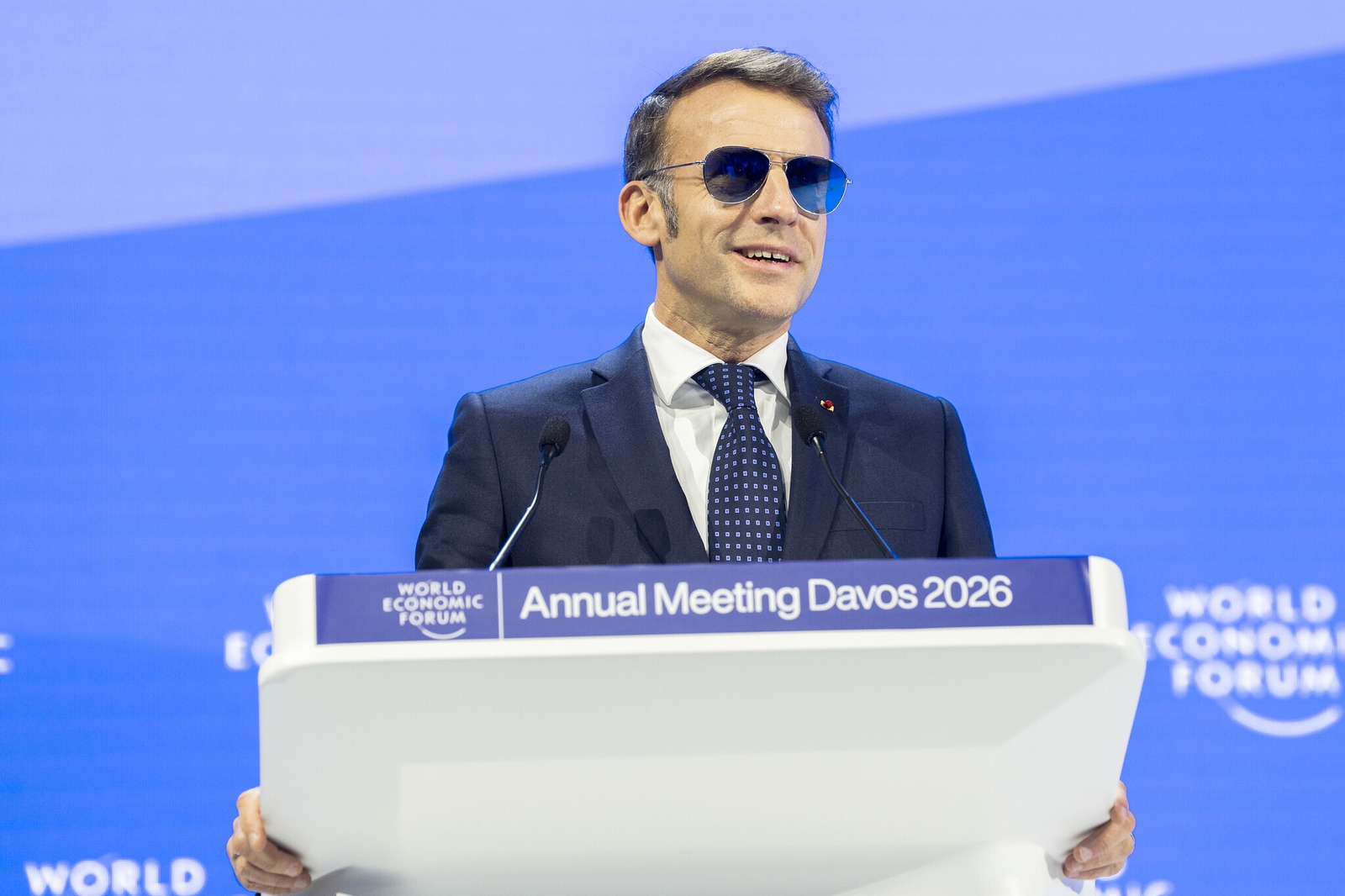
As the streets of Davos filled with the world's most powerful business and political leaders this week, France arrived with a message: Europe is ready to compete in the artificial intelligence race, and Paris intends to lead the charge.
President Emmanuel Macron touched down at the 56th World Economic Forum on Tuesday, January 20, bringing with him one of the largest French technology delegations ever assembled for the annual gathering. The 23 companies tagging along spanned sectors such as AI, quantum computing, space technology, and cleantech.
The centerpiece of France's AI roadshow was the official launch of the Centre Européen pour l'Excellence en IA (CAIE) in Paris. The center was announced one year ago, and is a partnership between the WEF and VivaTech.
Other Headlines
🗞️ How SAP Business AI Enabled This French City to Thrive | With help from SAP, Antibes has adopted a series of automated, AI-driven processes to meet strict environmental requirements and improve visibility. | AI Magazine
ICYMI
🗞️ Europe's AI Reckoning: Caught Between Regulation, Rivalry, and Risk | As 2026 begins, France and the European Union find themselves at the center of a perfect storm, facing diplomatic confrontation with Washington, urgent safety crises, and mounting questions about whether their regulatory approach can survive first contact with geopolitical reality. | The French Tech Journal
🗞️ From Tesla to Paris: UMA's Audacious Bet on European Robotics | A new French startup believes Europe—not Silicon Valley—is the best place to build the robots of tomorrow. | The French Tech Journal
🗞️ Gradium Wants To Make Voice The New Operating System for AI | The Paris startup, spun out of research lab Kyutai, just emerged from stealth with a $60M seed round to become the global foundation layer for real-time voice interactions. | The French Tech Journal
🗞️ How HyprView Is Using Photonics And AI To Bring Cancer Diagnostics Into the Light | Thanks to developments in AI, photonics is stepping out of the lab and into the clinic. HyprView uses light to uncover the invisible biology inside tumors - information microscopes miss entirely - opening the door to faster, smarter, and far more predictive cancer diagnostics. | The French Tech Journal
👋🏻 If you’re enjoying The French Tech Journal, support the project by forwarding it to friends and sharing it on your social networks. You can also comment on this post. And if you have ideas for stories, tips, or just want to harass us, shoot us an email: [email protected] / [email protected] 👋🏻