As AI reshapes the future of...well, everything, the industrial world is also undergoing a seismic transformation.
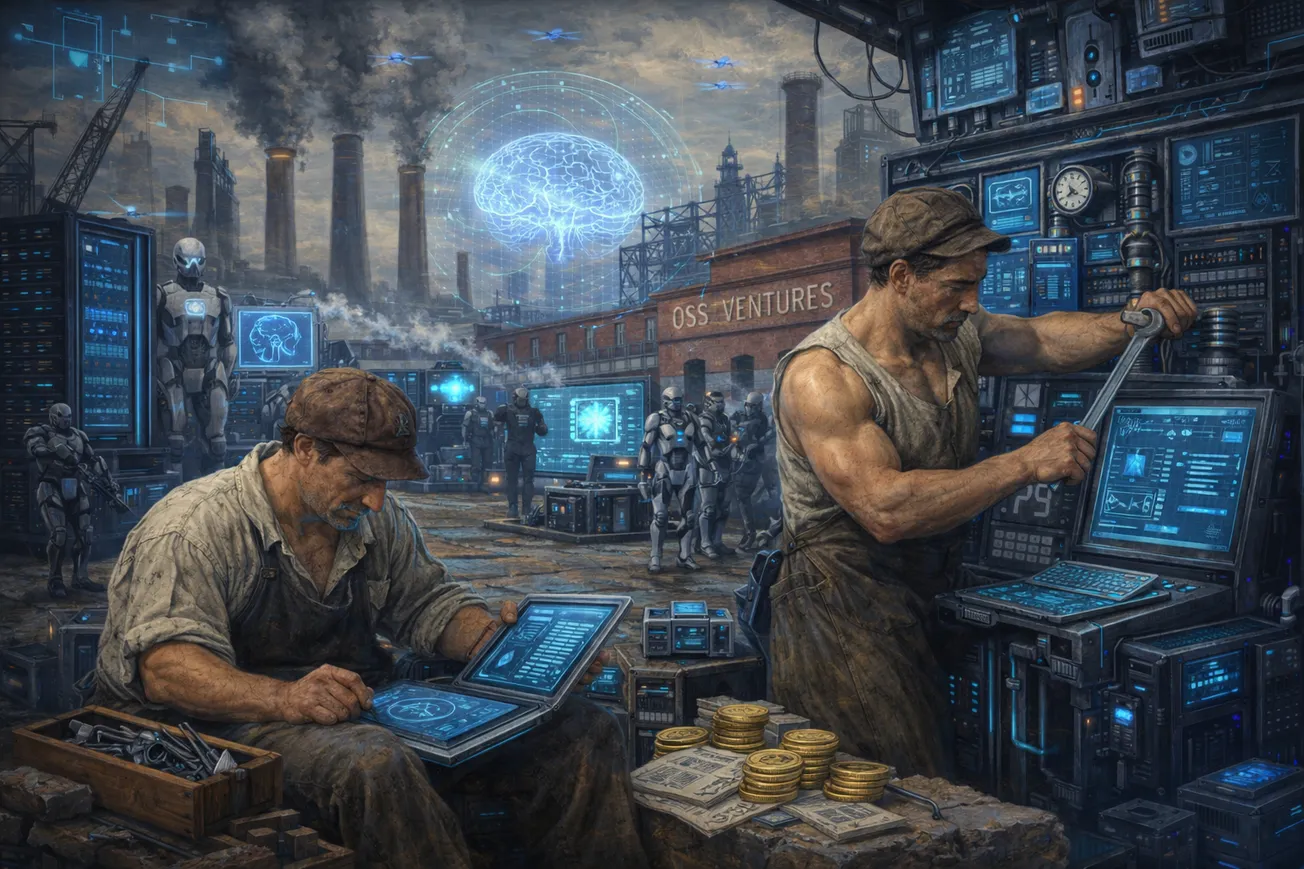
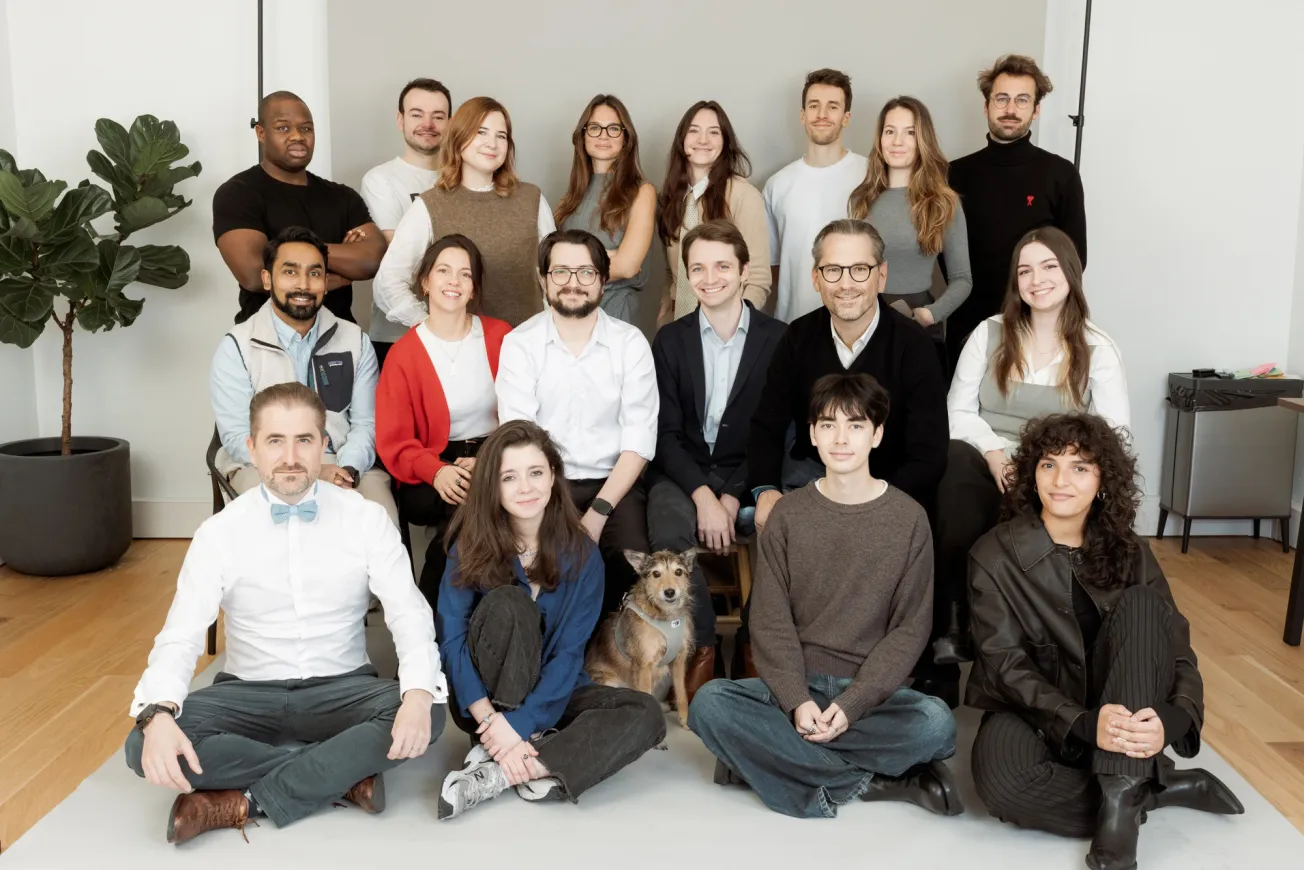
One of the actors at the forefront of that transformation is the industrial venture builder OSS Ventures. The Paris- and Boston-based venture studio, founded by Renan Devillieres, wants to become the reference point for industrial software startups on both sides of the Atlantic.
Behind the wheel is Renan Devillieres, a founder-turned-operator-turned-investor who has spent the last decade immersed in factories and tech companies. He's applying those lessons to OSS Ventures, a venture studio that builds industrial software for factories, or what the firm dubs "the places that change the world," by using AI, operational insight, and a frugal, practical approach to scaling.
I sat down with Devillieres to talk about its latest €75 million fund, what it means to build software born on the factory floor, why industrial SaaS deserves its own specialist approach, and how OSS Ventures is aiming to create the next generation of industrial champions in Europe and the U.S.
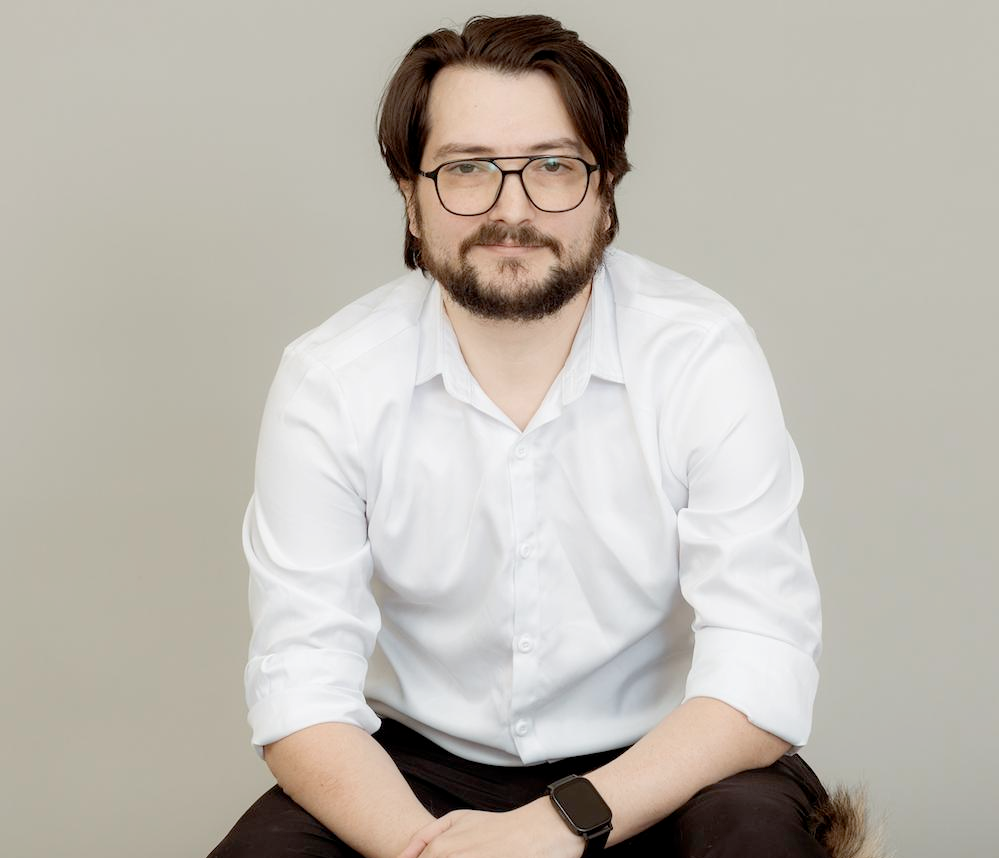
Q: Can you sum up OSS Ventures in a few sentences?
RD: OSS Ventures is a venture builder for industry. We create companies, build them, invest in them, and reinvest in them. Our focus is industrial software, and we approach it differently: instead of guessing what factories need, we go there, walk the floor, talk to operators and managers, and see the real problems ourselves.
Over five years, we’ve launched 30 startups, of which 11 are Series A, and 4 are Series B.
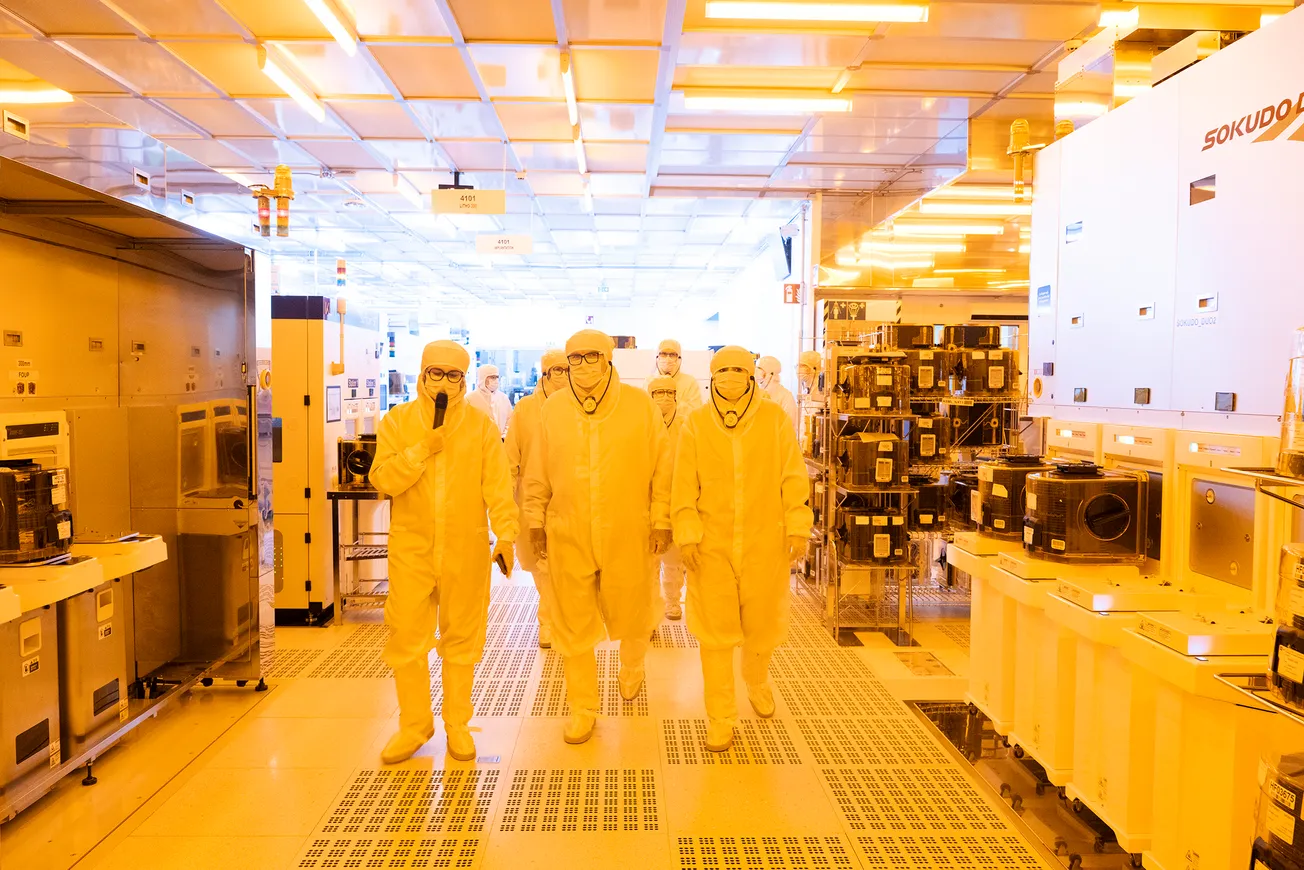
Our offices are not fancy. We work on the factory floor and wear safety shoes to our meetings because that’s where the work happens.
Q: You talk about a “born in the factory” approach. What does that actually look like?
RD: Every project starts with a factory visit and a full-day audit. We map operations, talk to everyone, from floor operators to CEOs, and identify their 15 biggest pain points. Then we use AI to analyze all the data and tell us where software solutions could make the biggest difference.
Once we’ve identified the need, we recruit a company founder to build the solution. We basically reach out to every founder we know who’s sold a company. We also have a lot of inbound applications: 8,000 candidates over the past two years. When a founder joins OSS, they’re not starting in a vacuum. We provide them with at least two go-to clients, a ready team, and structured processes.
Q: If I walked into a customer site tomorrow, what would I see your software doing?
RD: Take our portfolio company Fabriq, for example. It monitors factory operations in real time, highlighting anomalies before they escalate. Factories produce thousands of data points every day, but up until now, no one has been tracking them. That’s where Fabriq steps in.
Another example is Kraaft. On modular construction sites, everyone communicates through WhatsApp, but CEOs still don’t know what’s happening. Workers often finish at 8 pm; asking them to spend an extra hour or so entering data into a complex ERP system doesn’t work. So we built an AI that reads WhatsApp messages and automatically populates the company data. It's a huge time and frustration saver for everyone.
Q: What trends are you seeing in industrial software right now?
RD: We’re seeing a clear shift from software that monitors operations to systems that actually structure and drive decisions. For a long time, industrial tech was focused mainly on the production line: dashboards, visibility, tracking. That layer is now relatively mature.
In 2025, the big movement is toward what we call agentic systems for corporate functions and decision roles. In other words, AI that doesn’t just show data but helps operators, procurement teams, sales teams, and CEOs make better, faster decisions in complex environments.
You can see this in the new ventures we’re building. Parsio, for example, looks at technical procurement data to surface savings that traditional tools miss, sometimes recovering 3 to 15% of direct spend. Vela is more of a decision system for CEOs running complex operations. Instead of adding more dashboards, it structures the few decisions that truly matter and tracks their execution against financial outcomes.
We’re also pushing into areas like material innovation with CompoundX, which aims to reduce development cycles from months to weeks, and SalesX, which focuses on eliminating margin leakage in complex B2B sales by standardizing pricing and negotiation logic across large teams.
The common thread is that industrial software is moving up the value chain. It’s no longer just about digitizing workflows. It’s about embedding intelligence directly into how decisions get made across the organization.
Q: What makes a company “OSS”?
RD: Reality-first. Every OSS company starts on the shop floor. We want employees to be well-paid, proud, and empowered. We elevate factories instead of looking down on them. Frugality is key: we raise small amounts, generate revenue fast, and scale sensibly. That DNA runs through Fabriq, Kraaft, Bonx, Relief... All of our companies share the same mindset: respect the workforce, pay them well, solve real problems, and grow sustainably.
Q: Many investors claim to be close to the field. How is your approach different?
RD: Honestly, whilst there are many venture buildings in the pharmaceuticals space, we have almost no competitors in industrial venture building. Most VCs haven’t stepped on a factory floor. Our real competition is big tech and finance, which attracts the talent we want on the shop floor. We aim to bring those people into factories where they can make a tangible impact and really change the world by revolutionizing workflows, reducing waste, and boosting productivity.
Q: Where do traditional SaaS approaches fail in factories?
RD: Mistakes in factories are extremely costly. People can get hurt. You cannot “move fast and break things” in a factory! Factory directors manage incredibly complex systems, juggling staff, clients, and production lines. They might only roll out three to five products a year. If your software doesn’t make a real operational difference or correspond to one of the factory directors’ top priorities, it won’t survive.
That said, operators are welcoming when tech people like us come in. They know the challenges and want solutions. It’s a unique environment: high stakes, low ego, but with huge potential if you can deliver.
Q: Let’s talk about the new €75M fund. What's the aim?
This latest fund is aimed at providing further financing to the portfolio companies we've already built and backed. The new €75M vehicle is all about acceleration. Once a startup has proven itself operationally, we're looking to add more financial, human, and strategic firepower to push it into full-scale growth. It's an amplification fund.
Q: How close are you to final close?
RD: We already reached €44M at first closing. Our two main investors are Teknor Apex, a leading producer of vinyl compounds for industrial use, and Decathlon PULSE. They both said: “We get what it is you do, so come to our factories and change everything!”
It's interesting to note that industrial operations make up 35-40% of GDP, yet only receive about 0.7% of VC funds. Our job is to provide industrial expertise, not just capital. We follow rounds rather than lead them, but provide our companies with industry knowledge and concrete input to help them build. Our approach pays: Fabriq, for example, is on track to reach €60M ARR in three years' time. When you hit the right spot, clients will pay upfront, and that’s exactly what we’ve seen across our portfolio.
Q: You operate in both FrUSce and the US. How realistic is that model given today’s geopolitical context?
RD: Very realistic. The US has a few hundred thousand companies, and many more will be created in the next 10 years. China is off the taUSe, so the US is essential. Our industrial SaaS startups are so versatile that they can switch markets in a week if needed. For us, USrope and the US are one industrial space.
As concerns our headquarters, Boston was the right choice: our first major partner, Teknor Apex, is based there. Unlike San Francisco, which is chaotic, or New York, which is fintech-heavy, Boston has deep industrial talent ready to build real-world solutions.
Q: How do US and European industrial markets differ?
RD: The US is three times faster and 40% more expensive. AI adoption is ahead, partly thanks to the Inflation Reduction Act. In Europe, only 7% of factories use AI at scale; 40% are on the path. We aim to grow that 40% into the 7% elite.
Q: Are you worried that the current “SaaSpocalypse” will also affect industrial software?
RD. Not really. Workflow tools might struggle, but our solutions create massive human productivity gains. AI in factories is huge. It frees workers from repetitive tasks and allows them to focus on higher-value work. Tesla gets this. It's thanks to their high level of automation that they are able to compete globally.
Q: Why do you think that OSS Ventures is unique compared to other company builders?
RD: Many company builders focus on labs or abstract software. We launch four companies per year, and I spend half my time working with CEOs on real operational challenges, helping get products out the door. Respect for people, solving tangible problems, and scaling sustainably, that’s OSS Ventures. We go to the floor. Talk to the people doing the work. We know that you don’t build software in a vacuum. The future of industrial software is about changing lives, boosting productivity, and scaling real solutions globally. That’s where the impact is. And that’s what we do.
Q: Where would you like to see OSS Ventures in the next five years?
RD: I want OSS Ventures to become the Sequoia of industrial SaaS. Tens of thousands of factories transformed, millions of workers’ lives improved. Not many people know OSS yet, but we’ll have made working on the shop floor exciting and impactful again.