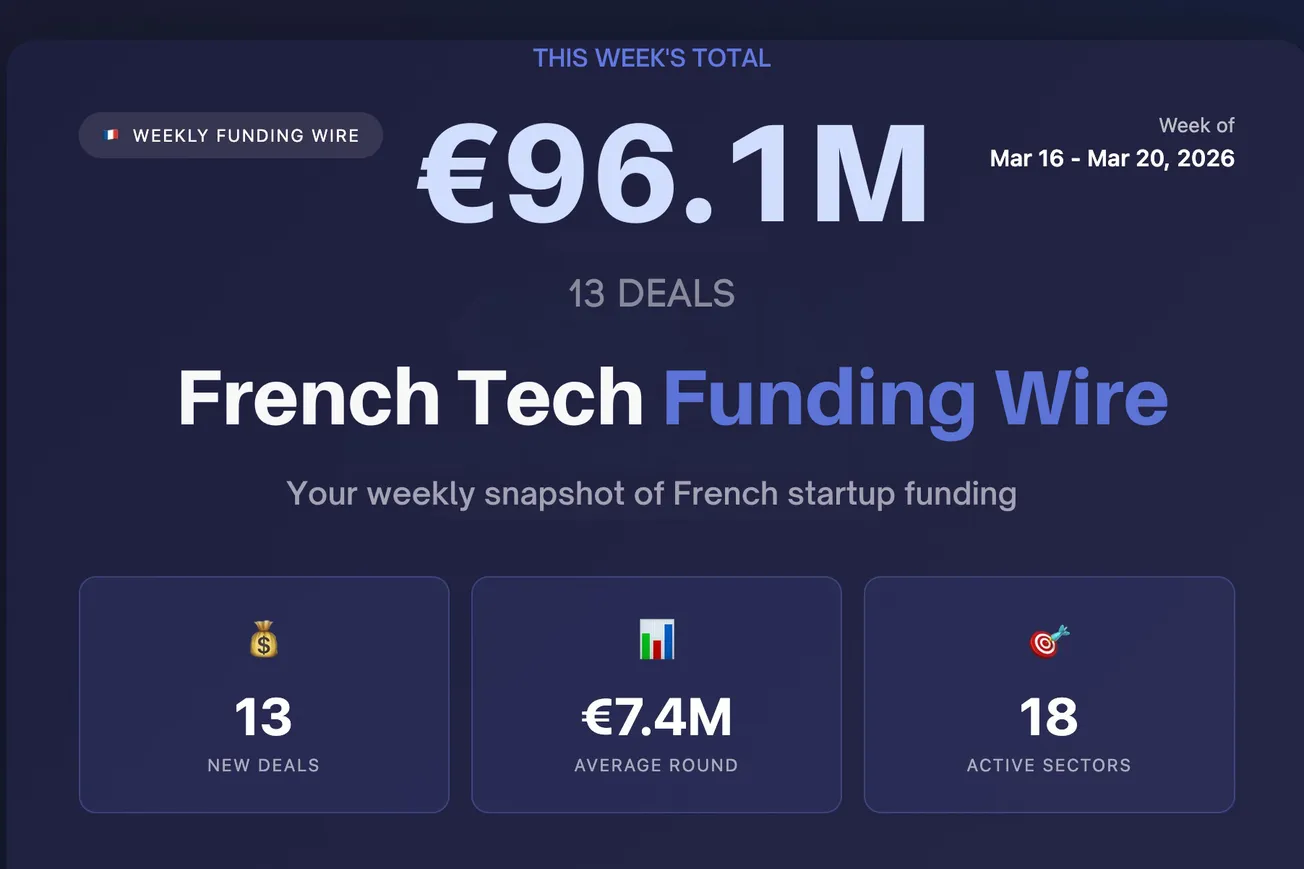

👋 Inside this week's edition:
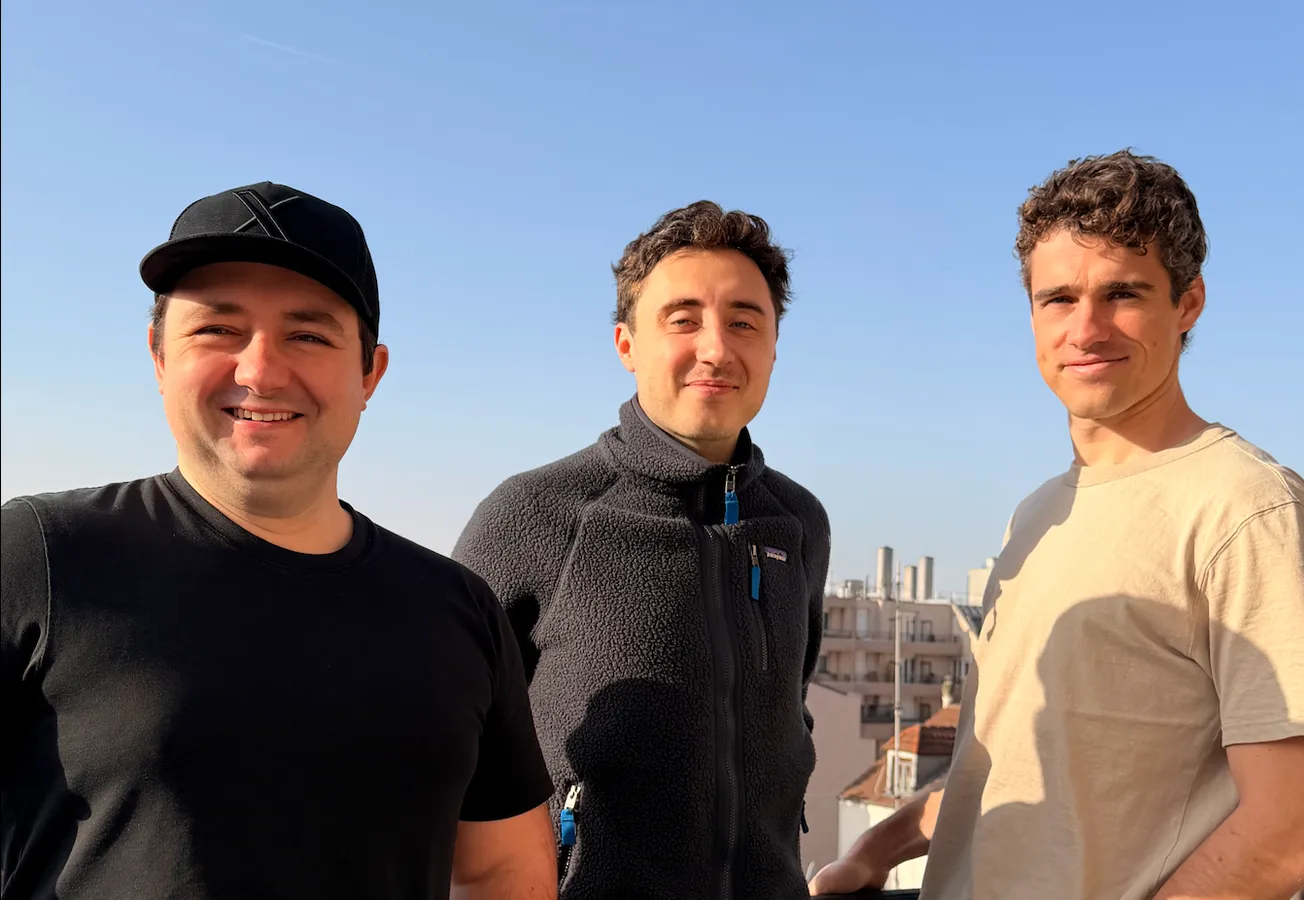
👀 Fleet, the French startup famed for its bootstrapped approach, announced it has reached a €100 million valuation after opening its capital to outside investors for the first time. After defying Silicon Valley's playbook for so long, CEO Sevan Marian explains why now is the moment.
👀 Climate VC Slate announced its first close of €132M. The Paris-based firm targets energy and circularity startups where environmental gains align with superior economics. Co-Founders Renaud Visage and Chloé Giard explain their vision for this next-generation climate fund.
Chris O'Brien + Helen O'Reilly-Durand
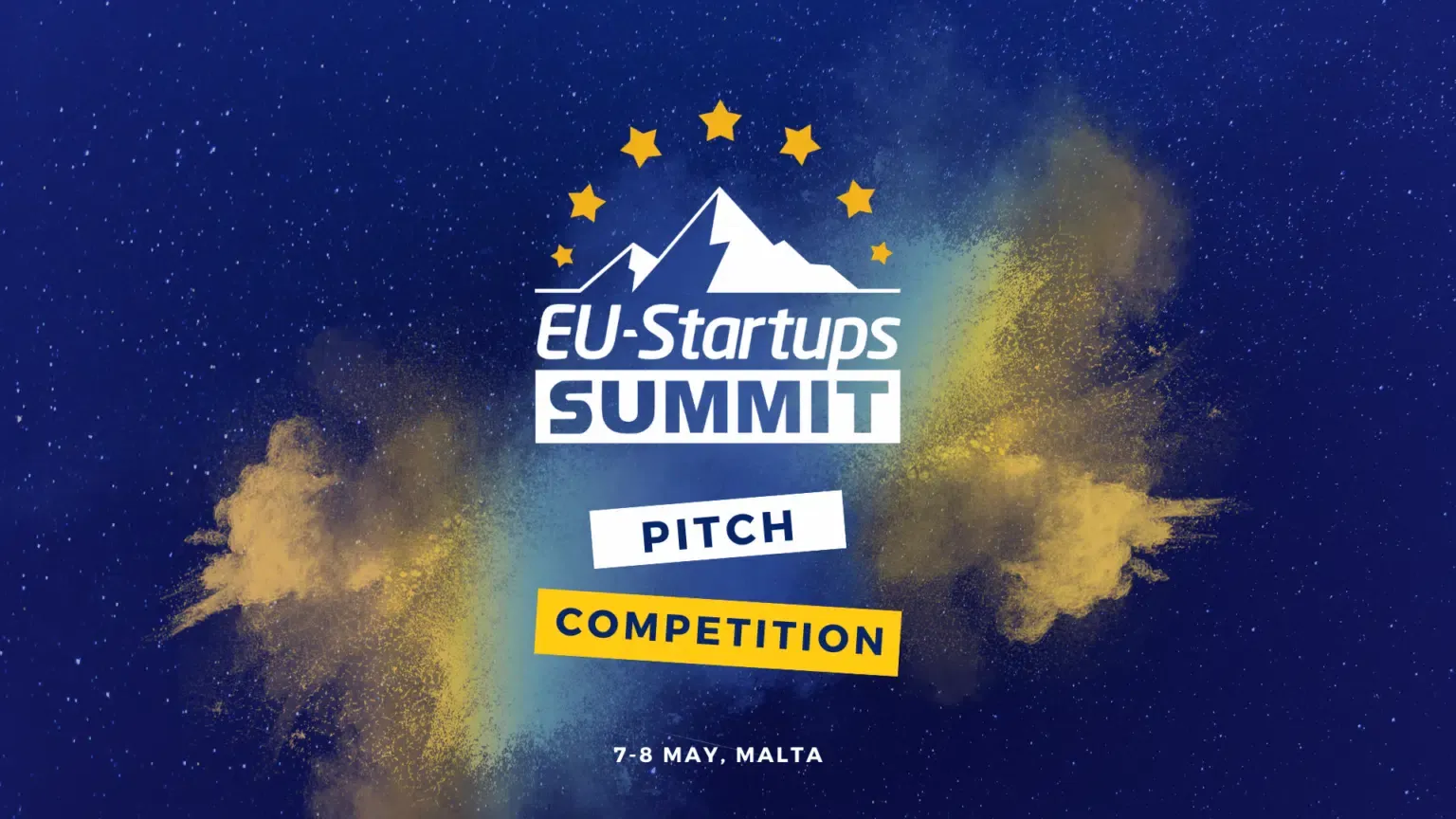
On May 7-8, Malta will transform into the main meeting point for Europe’s most ambitious founders and investors as we host the 12th edition of the EU-Startups Summit. The event will gather around 2,500 founders, startup enthusiasts, corporates, angel investors, VCs, and media from across Europe – all united by a focus on startups with global ambitions.
We’ll have two stages, great networking opportunities, workshops, a buzzing exhibition hall, and a super exciting Pitch Competition featuring 15 most promising early-stage startups from across Europe! Each finalist will have three minutes to pitch their idea on the main stage in front of a large audience of investors, media, and startup enthusiasts, followed by questions from our panel of high-profile VC judges.
Tech Talk
🤖🏭 Exotec, France’s robotics unicorn, just opened its new global headquarters near Lille, finally putting an end to the logistical headache of having its teams scattered across seven different sites. Dubbed the Imaginarium (subtle it is not), the Wasquehal HQ now brings together 700 employees spanning engineering, production, and support functions.

According to the founders, the old setup was actively slowing growth, because innovation apparently works better when people can actually find each other. Exotec is riding the twin tailwinds of e-commerce growth and chronic labor shortages in logistics, with its Skypod robots already deployed in more than 200 warehouses worldwide. The company now counts 1,200 employees globally, booked around €340 million in revenue in 2025, and has sold some 14,000 robots to clients like Carrefour, Decathlon, and Uniqlo. | Maddyness, PR
♻️🏢 Deepki is quietly pulling ahead of the crowded energy-efficiency pack, closing 2025 with an estimated €65 million in annual recurring revenue, comfortably putting the French scale-up in pole position. The company, which helps real estate owners track and optimize energy performance, now counts 70,000 users and around 600 heavyweight clients, from Generali Real Estate to the French government. Growth slowed to about 20% last year, but North America is doing the heavy lifting, already accounting for 18% of revenues as Deepki leans into a very American pitch: less ESG talk, more hard-nosed economic efficiency. Back home, the property slump hasn’t helped, but France still serves as a regulatory and product test lab. Deepki is also playing the consolidation game, snapping up consulting firm Sobre Energie in cash, its third acquisition in three years, as the sector gradually thins out. Despite its lead, management insists this is still early days, with just 5% of the European market captured and a potential new fundraising round penciled in for 2027. | Les Echos
🤑 Phitrust has officially closed Phitrust Partenaires Inclusion, a €60 million fund aimed squarely at tackling Europe’s toughest social challenges. Backed by a heavyweight lineup of institutional investors, led by a €20 million commitment from the European Investment Fund, the fund blends private equity discipline with a philanthropic soul. PPI is focused on two big-ticket items: helping people find their place in society through jobs and training, and improving access to essentials like housing, food, healthcare, and energy. The fund has already put €10.3 million to work across 14 investments and carries the gold-star Article 9 SFDR label, signaling maximum ESG seriousness. With another €20–30 million still in sight from private investors, Phitrust is betting that Europe’s social transition won’t happen on goodwill alone, that it needs patient capital, real governance, and fewer silos between “doing good” and “making it scale.” | Phitrust
🏗️ Raphaël Vullierme is officially back in builder mode, this time as a Partner at Hexa, where he plans to crank out AI startups between Paris and San Francisco. Two years after the bumpy Luko–Allianz finale, he’s skipped the VC costume change and opted instead for hands-on company creation via Hexa’s “Start” program. The mandate is unapologetically global: AI-first startups designed from day one to scale in the US, with a particular focus on physical AI (defense and robotics), regulated finance, and a spicy new thesis dubbed “AI as a Buyer.” Yes, the idea is that companies will soon need to learn how to sell to algorithms, not humans. Bienvenue to the future of procurement. Helping make that leap is Hexa House, the startup studio’s freshly opened hacker-style base in San Francisco, built to soften the Valley landing for European founders. For Vullierme, it’s a full-circle moment as he bets that French founders with global ambition and the right AI timing can punch well above their weight. | Maddyness, LinkedIn
☢️💸 A young startup from Grenoble has decided that Europe’s next nuclear leap should come in molten form. Founded in 2023, Stellaria wants to become a European leader in fast-neutron, molten-salt reactors, and it’s now officially in the game, having filed a request to build a nuclear installation. Its pitch is a cheaper, safer reactor with liquid fuel that can actually burn more nuclear waste than it creates, and sit right next to energy-hungry industries without causing a meltdown of public nerves. The prototype, named Alvin, is slated for around 2030, with commercial versions penciled in for 2035 and power outputs rivaling major hydro dams. Stellaria isn’t trying to build everything itself, instead focusing on the reactor core and leaning on partners like Schneider Electric and Technip Energies. The catch, unsurprisingly, is money. After €23 million raised so far, the startup says it’ll need about €300 million more, ideally via a very European, multi-country funding effort. | Mesinfos
💪🪙 Fipto just became Europe’s first stablecoin payments player with both a Payment Institution licence and a full MiCA CASP licence. Granted by France’s AMF, the dual authorisation lets Fipto run the entire payment value chain, neatly stitching together euros and stablecoins under one compliance umbrella. While much of the crypto world is still squinting at MiCA and hoping for the best, Fipto went full teacher’s pet and passed the toughest prudential, operational, and AML tests on offer. The payoff: EU-wide passporting, a single API, and uninterrupted access to the European market just as “grandfathered” regimes start falling apart. With the July 2026 MiCA deadline looming, Fipto is positioning itself as the industry’s regulatory safe harbour—less cowboy crypto, more grown-up financial plumbing. In short, they’re betting that in Europe’s new crypto order, boring compliance is the ultimate competitive edge. (Read our profile of Fipto here) | PYMNTS
From €5,000 to €100 Million: How Fleet's Founders Built a Tech Empire Without Venture Capital. Then Finally Said Yes
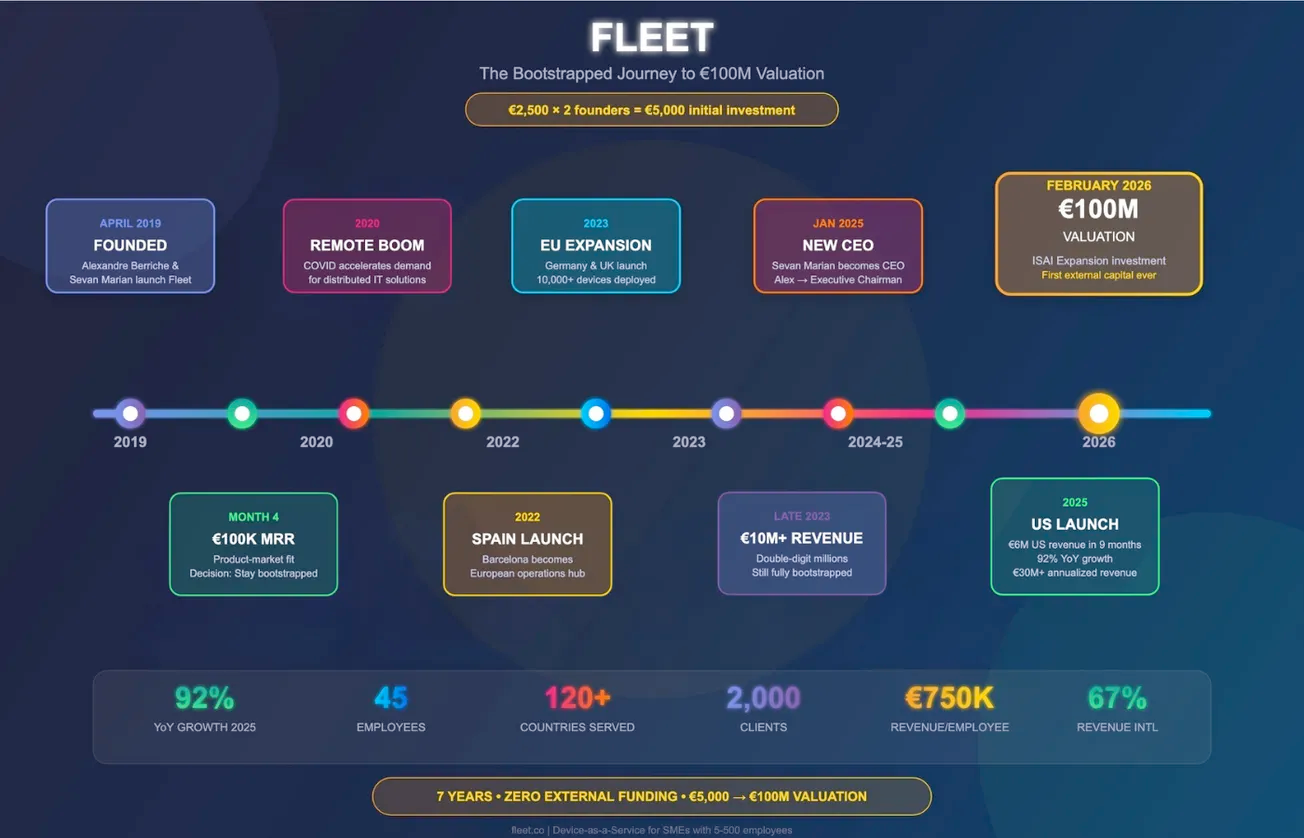
Seven years ago, Sevan Marian and Alexandre Berriche each scraped together €2,500, pocket change by startup standards, and launched Fleet from a Paris apartment.
They had no venture capital, no debt facilities, no safety net. What they had was a simple bet: that mid-sized companies were tired of buying laptops outright and dealing with the headaches that followed.
On Monday, Fleet announces it has reached a €100 million valuation and is opening its capital to outside investors for the first time. ISAI Expansion, the private equity arm of one of France's pioneering tech investment firms, is taking a minority stake in a deal that provides liquidity to the founders and, critically, to employees who bet on the company when no one else would.
"We invested two and a half thousand euros each six years ago, and it became 100 million," Marian said in an interview, still sounding slightly amazed. "Which is crazy."
The deal marks a turning point for a company that has become something of a cult hero in French tech circles, proof that you don't need to play the venture capital game to build something significant.
But it also raises a question that Marian and Berriche have been wrestling with for months: after building an identity around being bootstrapped, why change course now?
Climate VC Slate Closes First Fund at €132M, Betting on Industrial Efficiency Over Green Premium
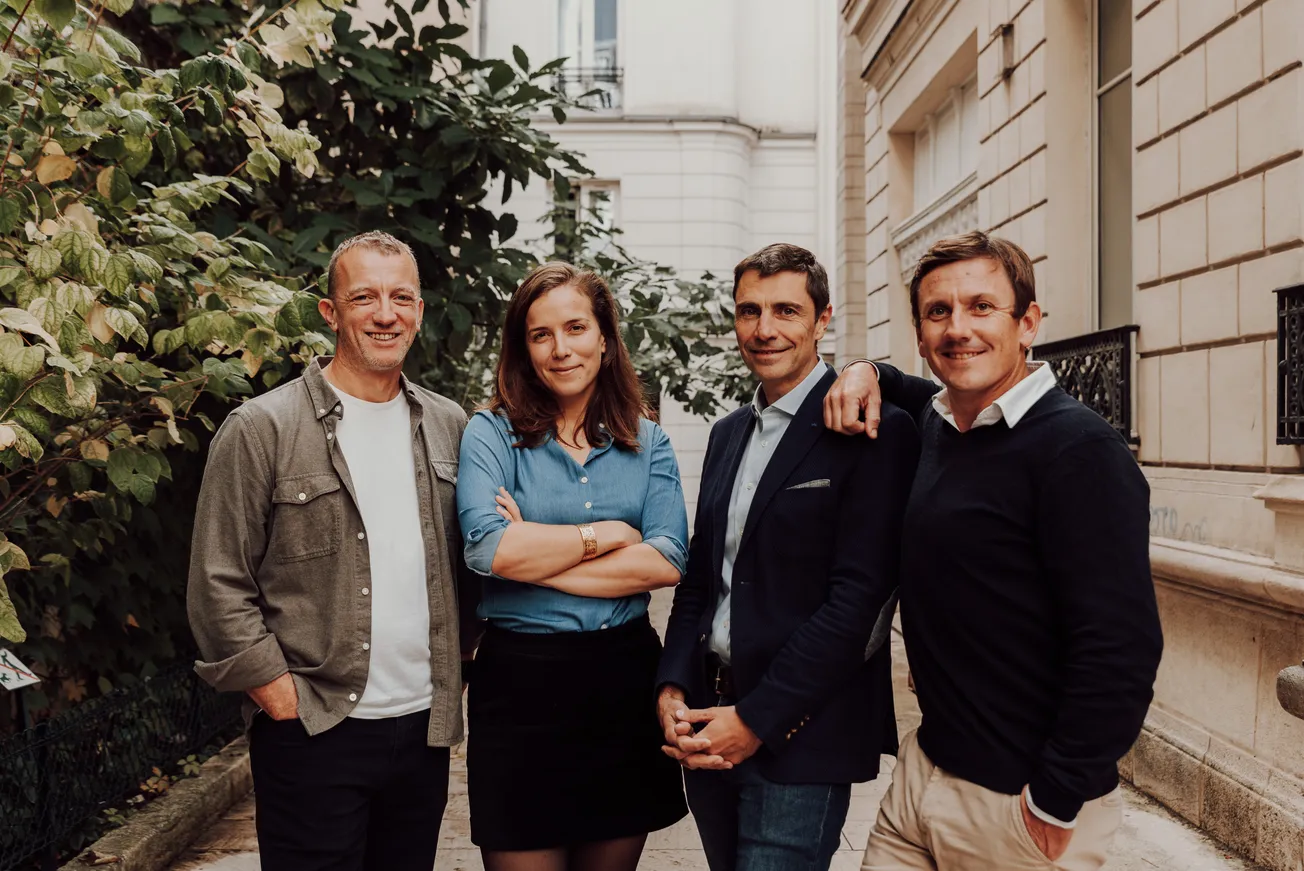
The venture capital world has grown skeptical of climate tech hype, but a new Paris-based fund called Slate is betting that the sector's winners are finally emerging and that now is the time to back them.
Slate Venture Capital announced Tuesday that it has secured €132 million for the first close of its inaugural growth fund, a substantial sum in today's challenging fundraising environment. The fund focuses specifically on European B2B companies working on energy transition, low-carbon industrial processes, circularity, and climate resilience. These are sectors where the firm's four co-founders believe environmental and economic performance are increasingly aligned.
"We are really focused on helping the startups transition from startup to scale up," said Renaud Visage, one of Slate's co-founders and a veteran of Silicon Valley's tech scene. "We know it's a long journey. How do you build a team? Where do you build a team? Where do you expand internationally? So many questions that a lot of first-time founders have to figure out."
💸 Top Funding Deals 💸
📇 Company: Hublo
🏷️ Sectors: HealthTech, SaaS & Enterprise
🔍 Description: Hublo is a workforce management SaaS platform dedicated to healthcare institutions. Born from the merger of Whoog and MedGo during the Covid crisis, Hublo enables hospitals, clinics, nursing homes, and healthcare providers to manage staffing end-to-end—from recruitment and scheduling to internal mobility and communication. The platform centralises both ad-hoc and recurring staffing needs, significantly improving operational efficiency for healthcare professionals.
💻 Website: Hublo
📍 HQ City: Paris
🧗 Round: Growth
💰 Amount Raised: €40M
🏦 Investors: Revaia
👨💼👩💼 Founders: Antoine Loron
🗞️ News: Revaia has committed €40M through a reinvestment vehicle to continue supporting Hublo following its sale in 2025 to Five Arrows (Rothschild & Co’s alternative assets arm). The vehicle extends Revaia’s involvement beyond its initial holding period. It allows both existing and new European, UK, and US investors to reinvest alongside Hublo’s new majority shareholder and management team. Founded in 2016, Hublo is now used by more than 22,000 managers across over 5,000 healthcare facilities, benefiting around 1 million healthcare professionals and saving an average of 2.5 hours per user per day. Since Revaia’s initial investment in 2021, Hublo has quadrupled its ARR, reached operational break-even ahead of schedule, expanded its product into a full workforce and talent management suite, strengthened its go-to-market with public and private institutions, and executed a consolidation strategy including three acquisitions. This €40M reinvestment stands out as significantly larger than recent European HealthTech rounds, reflecting a late-stage, ownership-driven commitment rather than primary growth capital alone. | EU Startups
📇 Company: MyC
🏷️ Sectors: HealthTech, SaaS & Enterprise
🔍 Description: MyC is a B2B SaaS platform dedicated to managing employee health in industrial, multi-site, and high-risk environments. The cloud-based solution centralizes and secures medical data, enabling on-the-ground medical teams, HQ functions, HR, and compliance teams to coordinate care, manage regulatory obligations, and maintain a consolidated, real-time view of workforce health. Designed for complex and low-connectivity environments, MyC combines operational robustness with strict international compliance standards.
💻 Website: MyC
📍 HQ City: Paris
🧗 Round: Series A
💰 Amount Raised: €10M
🏦 Investors: Hi Inov, IXO, Elaia, OSS Ventures
👨💼👩💼 Founders: Laurent Bonnardot, Benjamin Crevant
🗞️ News: Founded in 2020, MyC supports international organizations operating in highly regulated and complex environments such as energy, industry, maritime, defense, and specialized medical services. The platform is deployed across nearly 400 sites in more than 60 countries, serving over 500,000 beneficiaries with more than 1,000 monthly active users. With this €10M funding round, MyC plans to accelerate product development—particularly AI-driven data analysis and process automation—and to scale its international commercial footprint. The company aims to address growing regulatory pressure and operational complexity in occupational health, a global software market estimated at €1.4B and growing at nearly 10% annually. | Tech EU
📇 Company: Linkup
🏷️ Sectors: AI & Machine Learning
🔍 Description: Linkup is building a real-time search engine designed specifically for AI systems, positioning itself as the “Google Search for AI agents.” Through an API-first architecture, Linkup enables AI models and autonomous agents to search, retrieve, and validate web information in real time. Its proprietary indexing technology extracts fine-grained “atoms of information” from online content to create a highly precise, AI-native search index, optimized for how machines consume information rather than humans.
💻 Website: Linkup
📍 HQ City: Paris
🧗 Round: Seed
💰 Amount Raised: $10M
🏦 Investors: Gradient, Elaia, Leblon Capital, Weekend Fund, Seedcamp, Axeleo Capital, OPRTRS Club, Motier Ventures, Business Angels, Arthur Mensch, Florian Douetteau, Olivier Pomel
👨💼👩💼 Founders: Philippe Mizrahi, Boris Toledano, Denis Charrier
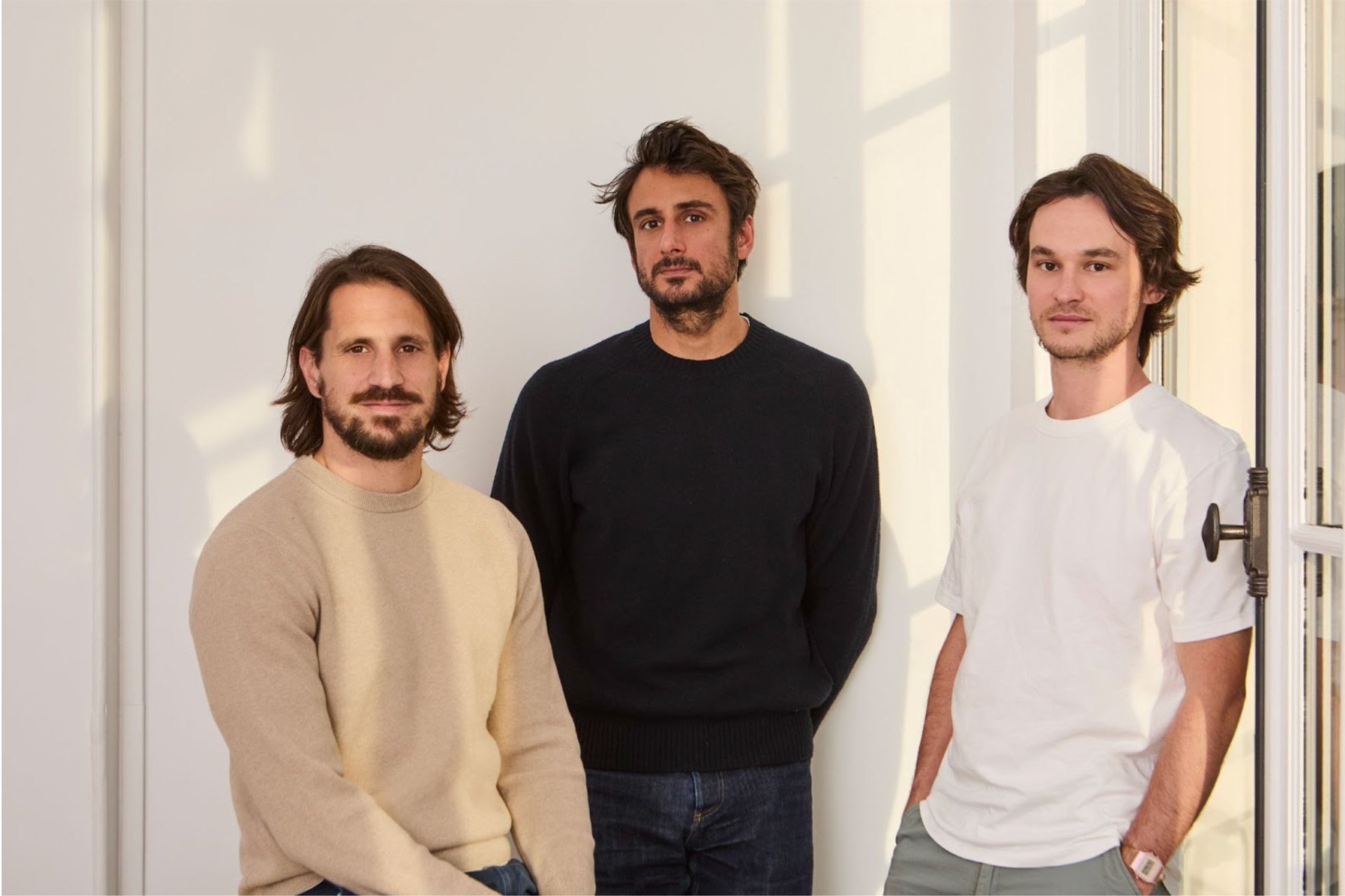
🗞️ News: After a €3M seed round closed in November 2024, Linkup has now raised an additional $10M to accelerate its ambition of becoming the reference search infrastructure for AI systems. The startup has developed an API allowing AI agents to retrieve reliable, real-time information from the web, addressing challenges such as misinformation, deepfakes, and bot-generated content. Linkup has partnered with trusted media publishers to ensure high-quality data sources and will use the new funding to scale its teams across Paris, New York, and San Francisco. | Maddyness, Linkup
👋🏻 If you’re enjoying The French Tech Journal, support the project by forwarding it to friends and sharing it on your social networks. You can also comment on this post. And if you have ideas for stories, tips, or just want to harass us, shoot us an email: [email protected] / [email protected] 👋🏻