The venture capital world has grown skeptical of climate tech hype, but a new Paris-based fund called Slate is betting that the sector's winners are finally emerging and that now is the time to back them.
Slate Venture Capital announced Tuesday that it has secured €132 million for the first close of its inaugural growth fund, a substantial sum in today's challenging fundraising environment. The fund focuses specifically on European B2B companies working on energy transition, low-carbon industrial processes, circularity, and climate resilience. These are sectors where the firm's four co-founders believe environmental performance and economic performance are increasingly the same.
"We are really focused on helping the startups transition from startup to scale up," said Renaud Visage, one of Slate's co-founders and a veteran of Silicon Valley's tech scene. "We know it's a long journey. How do you build a team? Where do you build a team? Where do you expand internationally? So many questions that a lot of first-time founders have to figure out."
The fund has already deployed capital into two companies that illustrate its investment thesis:
- Fairmat, a French company developing recycled carbon-fiber composite materials. (Read our Deep Dive on Fairmat here)
- Resourcify, a German firm building an AI-powered SaaS platform for corporate circularity programs.
Both investments came at the Series B stage, reflecting Slate's focus on companies that have proven their technology and are ready to scale commercially.
A Team Built for the Transition
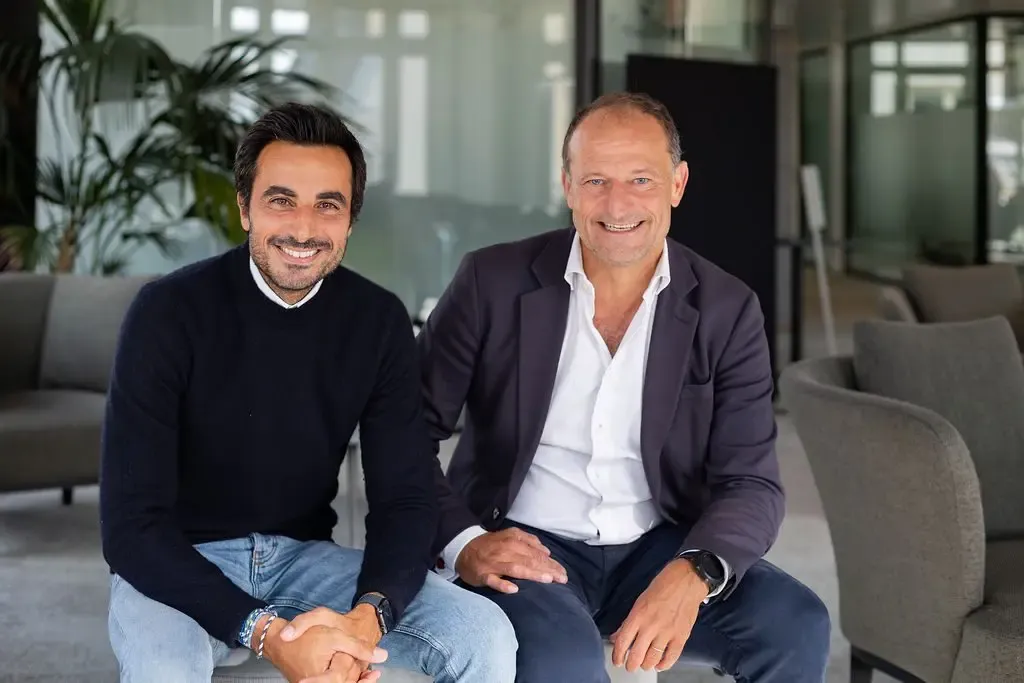
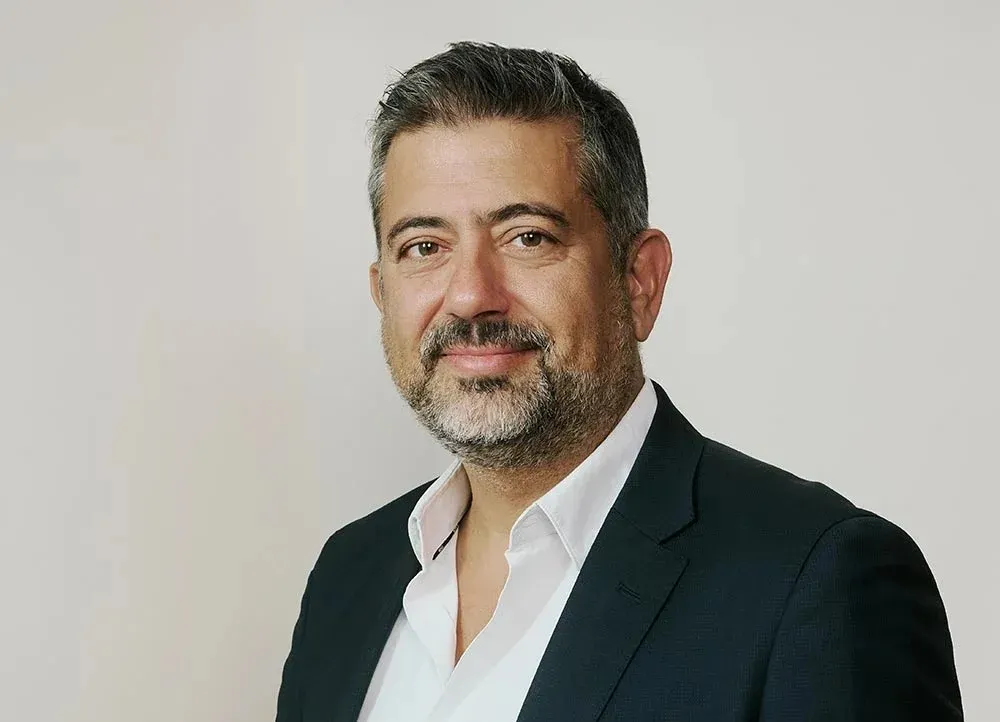
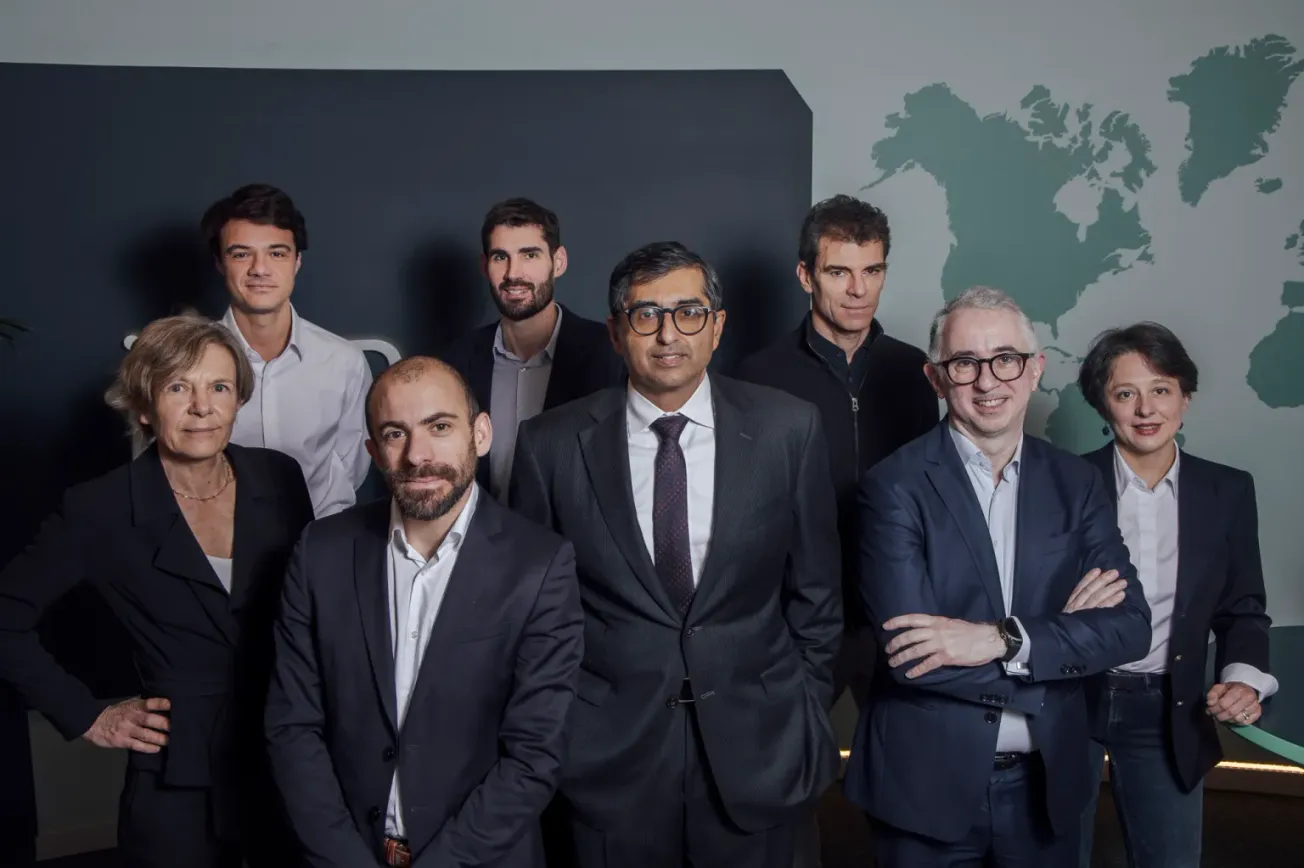
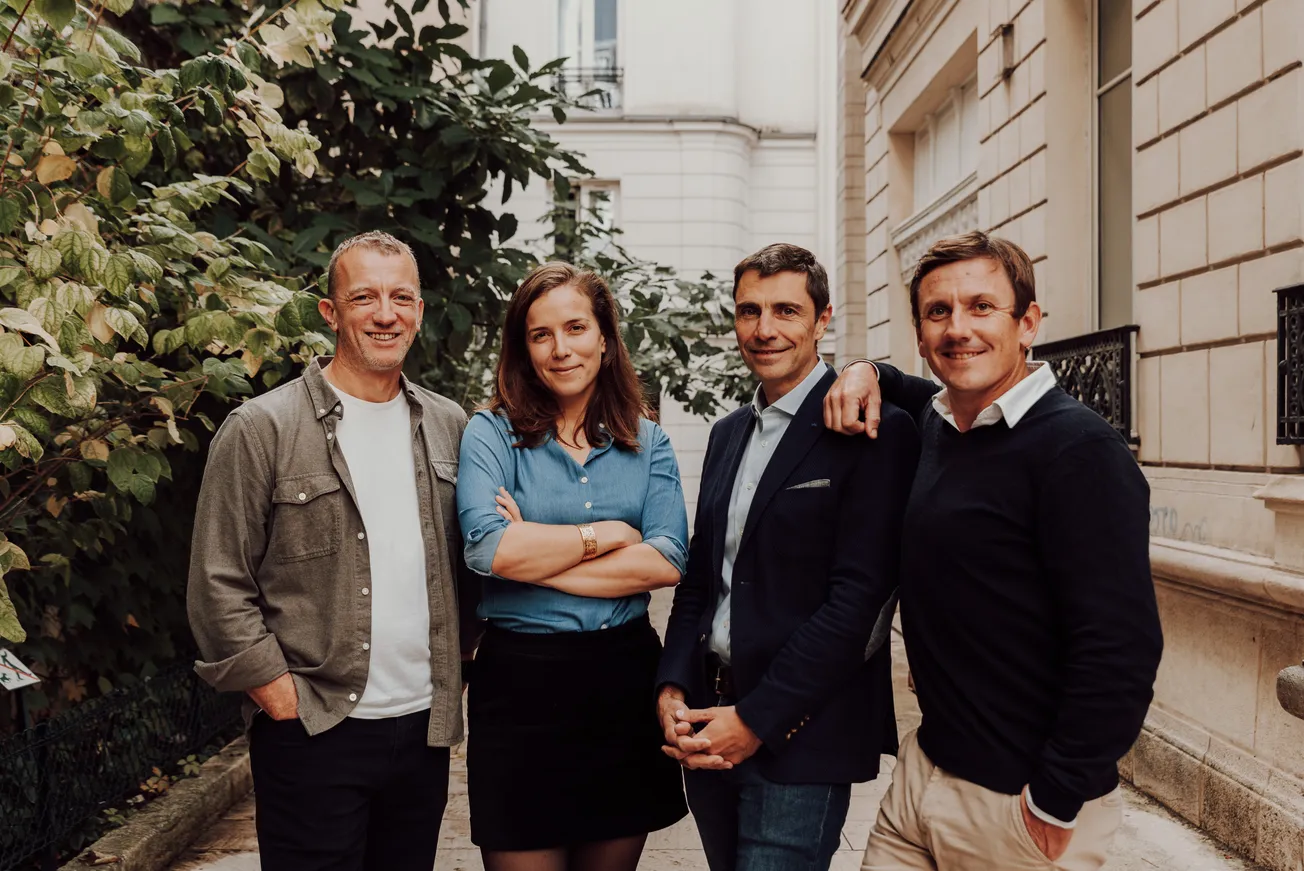
Slate was founded by four partners who bring complementary expertise spanning entrepreneurship, venture capital, and industrial strategy. Collectively, the team has completed more than 150 venture investments:
- Visage brings Silicon Valley operating experience, having been instrumental in scaling Eventbrite from inception to a successful IPO. His investor background includes work as a venture partner for Index Ventures and Point Nine Capital, along with a portfolio of over 80 investments.
- Clément Buyse, who co-founded PeopleDoc, a SaaS company backed by Accel that was acquired for over $300 million, and served as vice president of France Digitale, the country's leading tech industry association.
- Sébastien Léger, who brings more than two decades of experience advising industrial leaders on energy and sustainability as a former partner at McKinsey & Company, where he led global initiatives on cleantech and energy.
- Chloé Giard, who spent nearly a decade on the investment committee at Idinvest Partners and Eurazeo, where she participated in deploying three successive pan-European funds. She previously worked for a software company in Boston and in investment banking.
"We really like working with entrepreneurs. That's what we've always done, and that's what we share," Giard said. "We believe this team has the expertise and the network in the sectors we invest in."
Economics First, Impact Second
What sets Slate apart in the crowded climate tech landscape is its insistence on backing companies where environmental benefits flow from economic advantages, not the other way around.
"When you look at market data, you see that overall sectors are accelerating," Giard said. "Both in the US and in Europe, energy and security are just massive markets."
This philosophy reflects a broader shift in climate investing, away from early-stage technical risk and toward proven technologies that can deliver immediate applications across industrial value chains.
"We're not driven by the logic of just committing to the temperature reduction by 2030; it's more than that now," Giard explained. "We feel that it's just an economic imperative. It's a matter of competitiveness, getting to superior economics thanks to energy efficiency overall."
The fund targets the "early growth stage"—typically Series A, B, or C rounds—with initial checks up to €15 million. Slate plans to back 15 to 20 companies total, taking a concentrated portfolio approach that allows the team to be hands-on with each investment.
"We don't have a fixed target, but we definitely want to deploy in the right company," Visage said, referring to the fund's €250 million target size. "We like to meet companies early and follow them along, until we're ready to invest. I think that's one way to evaluate their capacity for execution."
Navigating the AI Frenzy
The rise of artificial intelligence has created a massive gravitational pull on venture capital, with investors racing to back the next OpenAI or Anthropic. For climate tech companies with longer development timelines and physical scaling requirements, this creates both challenges and opportunities.
"Compared to other hype cycles, it will take time for some areas to fully leverage what's possible," Visage said. But he noted that AI is becoming embedded across Slate's portfolio in practical ways.
"AI is such a strong enabler for our investment thesis, because so many companies, especially in the energy and power space, are accelerating because of AI," Giard said. "The need for optimizing data centers and the electrification of everything, that's definitely a driver for our underlying sectors."
She pointed out how portfolio companies are already leveraging AI. Fairmat uses it extensively in manufacturing, while Resourcify can analyze supply chain documentation much faster by transforming paperwork into structured data.
Visage suggested that climate tech revenue growth driven by AI will be more measured than pure software plays: "I think in general, it will be slower, and revenue won't ramp up as much, but it's going to be much more durable. And a lot of these companies will become strategic assets for industrial supply chains they're entering."
Fundraising in a Down Market
Slate's €132 million first close is particularly notable given the current venture fundraising environment, where LPs have pulled back significantly, and climate tech has fallen out of favor after several years of hype.
The fund's backers include institutional heavyweights: the European Investment Fund (EIF), Bpifrance, the Fonds National de Venture Industriel (managed by Bpifrance and endowed by the French government), BNP Paribas, and several prominent European family offices.
"It's definitely a challenging micro environment," Giard said. "In our case, I think we've been positively surprised that we ended up raising this well." She credited a structured fundraising process and strong deal flow for attracting institutional interest.
Visage noted the strategic approach: "We went with the institutional money first, which we knew was going to be attributed to some climate funds, and managed to convince them. Some of them are highly selective. One of them is a family office. They talk to every climate form on the planet, and they picked three that year, and one of those was us."
The team hopes to reach its €250 million target by the end of 2026, though they declined to commit to a specific timeline.
A European Opportunity
With U.S. climate policy in flux following political shifts, Slate sees an opportunity for European companies to capture market share in critical clean technology sectors, particularly given Europe's continued regulatory support and focus on energy security.
"It's a big opportunity to attract scientists who have been defunded and are looking for alternatives," Visage said, alluding to changes in U.S. research funding. He also pointed to large European corporations with global footprints that remain committed to their transition goals, creating reliable buyers for climate tech solutions.
For Slate's founders, the climate transition represents not just an environmental imperative but a massive economic transformation, one where the winners will be companies that make industries more efficient, more resilient, and more competitive, with emissions reductions as a valuable byproduct rather than the primary selling point.
"We have the European sovereignty angle that I think is very real, and we cannot rely on outside of our boundaries partners for the long term," Visage added. "We need to find solutions of our own for some of our fundamental industrial problems, competitiveness being one."