
What can we say about 2025 that hasn't already been said? Probably a lot. But honestly, we're still too hungover from New Year's to bother.
However, we did have the good sense to consult Mr. Google Analytics before plunging into the deep abyss of champagne-drenched revelry to ask: Just what did our hardy band of readers read the most this past year?
And as he does, Mr. Google (hey, we live in France, and everything is gendered here, so please don't make this a thing because it's a new year and honestly our head is just throbbing right now...) responded with the following list.
Happy New Year. Let's make it a good one.
Chris O'Brien and Helen O'Reilly-Durand
Top 10 Stories of 2025
- Bordeaux-based bYoRNA is looking to make a breakthrough with a radically different approach to using mRNA, one that it believes could make mRNA therapies cheaper, safer, and more scalable. The company announced a €1.5 million pre-seed round in July. The round was led by Polytechnique Ventures, with participation from IRDI Capital Investissement and sector-specialized business angels.
 Helen O’Reilly-Durand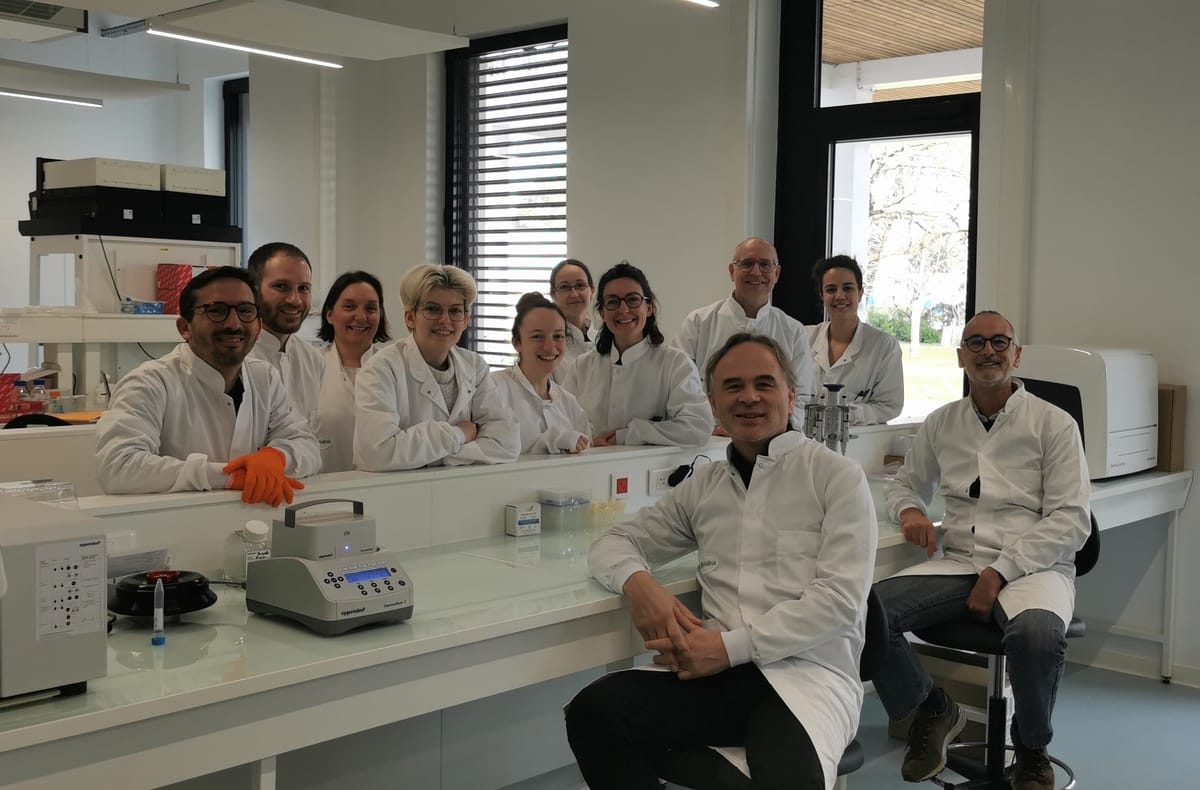
- As global demand for workplace training soars, French edtech company Didask is doubling down on its mission to make corporate learning both highly efficient and scalable. The Paris-based startup has just closed a €10 million Series A funding round, led by Atlantic Vantage Point (AVP) and Citizen Capital, with backing from MAIF Impact, JuneX, and longtime investor Takara Capital.
 Helen O’Reilly-Durand
- September in Paris means two things: la rentrée and FDday, the French Tech ecosystem’s own back-to-school bash. Once again under improbable blue skies, the Musée des Arts Forains filled up with founders, investors, operators, and policy wonks, a buzzing crowd swapping stories of entrepreneurial success and strife with “great-to-see-you-again” hugs all around. The mood for the most part was warm, inclusive, and upbeat. Which is more than can be said for France’s actual political scene, where shouting matches are the daily special. This year, FDday closed with a full-blown showdown over the “taxe Zucman.” This shouting match featured a touch more intellectual glamour because it featured the man himself. Yes, that Zucman.
 Helen O’Reilly-Durand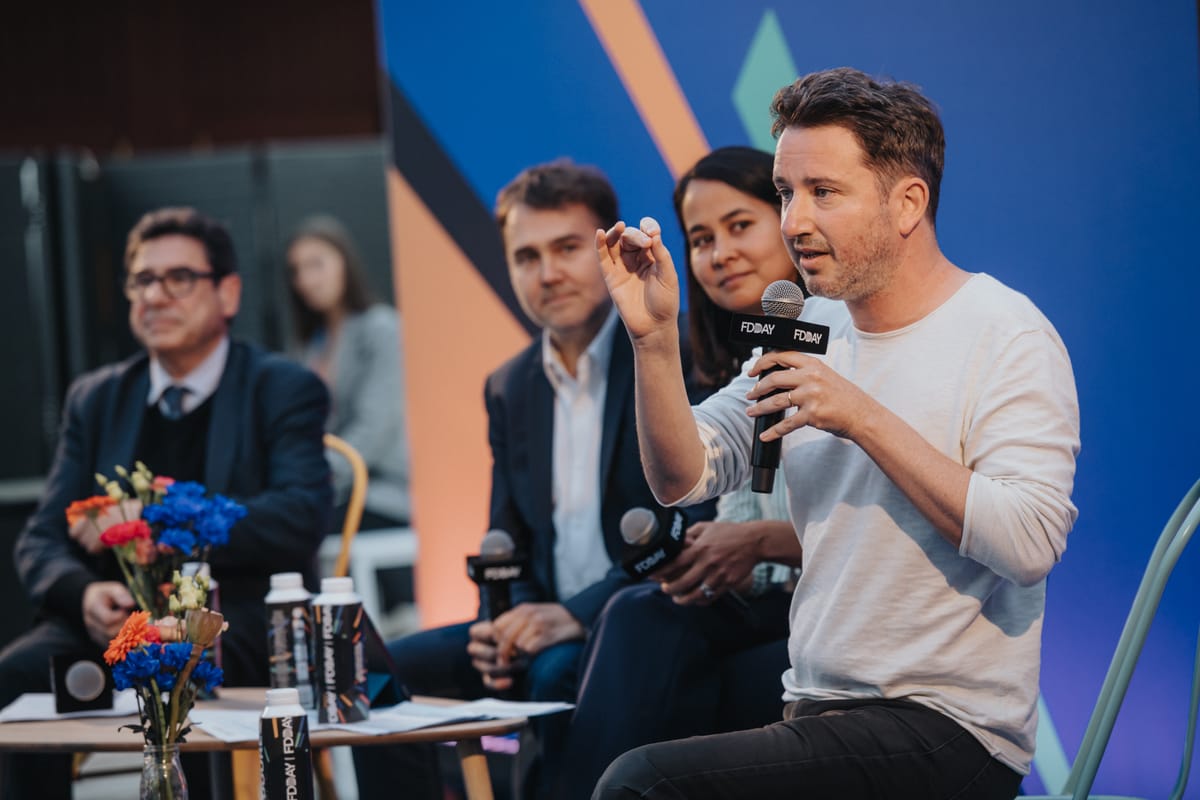
- Founded in 2020, Pennylane has experienced meteoric growth in just five years. The company has positioned itself as an "all-in-one" accounting platform that serves both accountants and the small to medium-sized businesses they support. Currently operating only in France, Pennylane has built an impressive customer base of approximately 4,500 accounting firms and more than 350,000 small and medium-sized enterprises (SMEs). Earlier this month, the company announced a €75 million funding round co-led by Sequoia Capital, Alphabet's CapitalG, and Meritech, with participation from DST Global. This latest funding round doubled the company's valuation to €2 billion, up from €1 billion in early 2024 when it achieved unicorn status with a €40 million Series C round.
 Chris O’Brien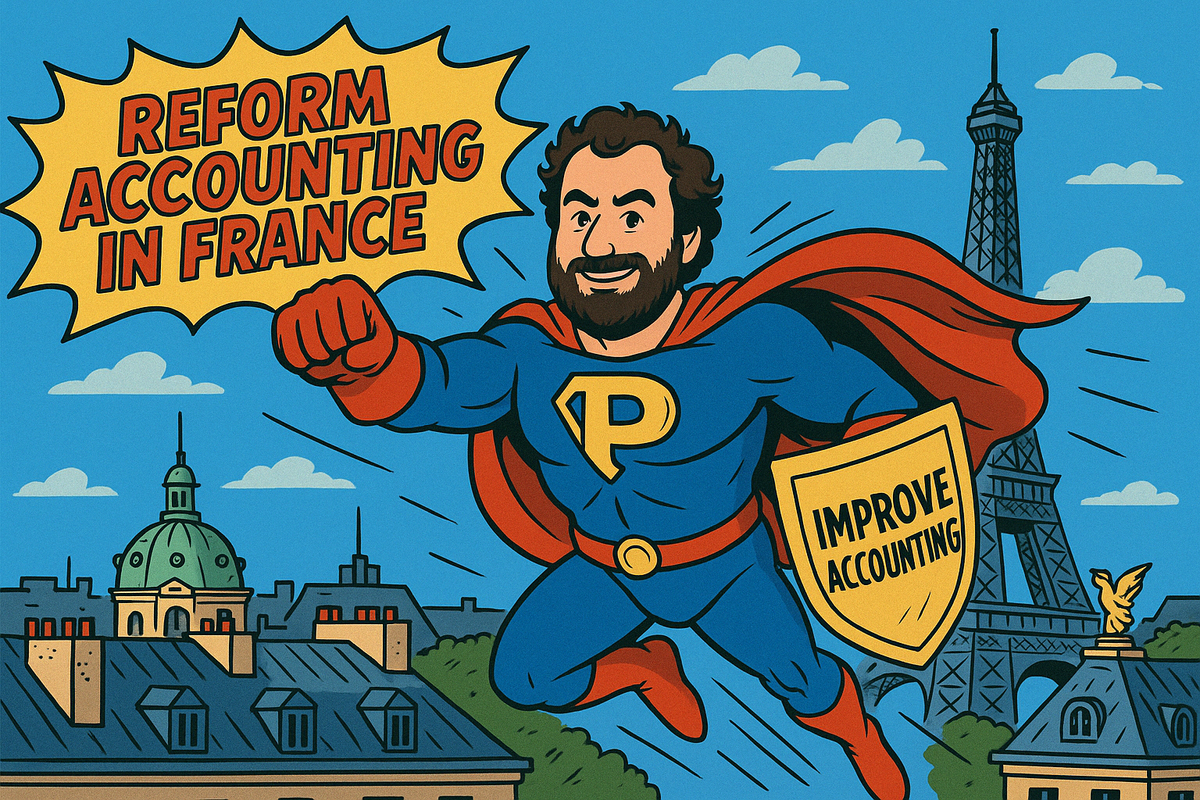
- When Armand Thiberge founded Sendinblue in 2007, he was entering a crowded market for email marketing software dominated by American players like MailChimp. Thirteen years later, the company—now rebranded as Brevo—has just completed a €500 million financing round that makes it France's newest unicorn while simultaneously reshuffling its shareholder base. In fact, if one were to put this in the "exit" bucket rather than the "funding" bucket (which is probably where it really belongs), this is a historic moment. Based on a €1 billion valuation, it would be one of the largest liquidity events in French startup history.
 Chris O’Brien
- Over the past year, French insurtech unicorn Alan has made it clear that its future would be built around AI. Founded in 2016, the company's AI investments have driven remarkable growth, created new efficiencies, and enabled new products. The vision, as explained by CEO and co-founder Jean-Charles Samuelian-Werve, is to turn health insurance into a digital, AI-powered health companion. AI is no longer just a nice-to-have at Alan; it is at the very core of how the company operates, scales, and reshapes health care for its 400,000+ members.
 Chris O’Brien
- Ethiqais’s mission is to help European companies adopt AI safely and responsibly. “Our aim is to create a hub where companies can use AI securely and sovereignly in Europe. It’s not just about technology; it’s about values, compliance, and trust,” Alina Holcroft, CEO of Ethiqais, explained.
 Helen O’Reilly-Durand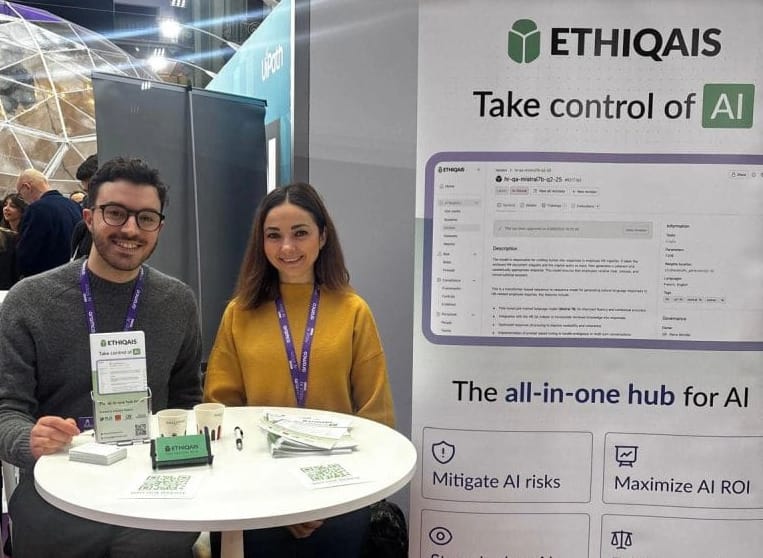
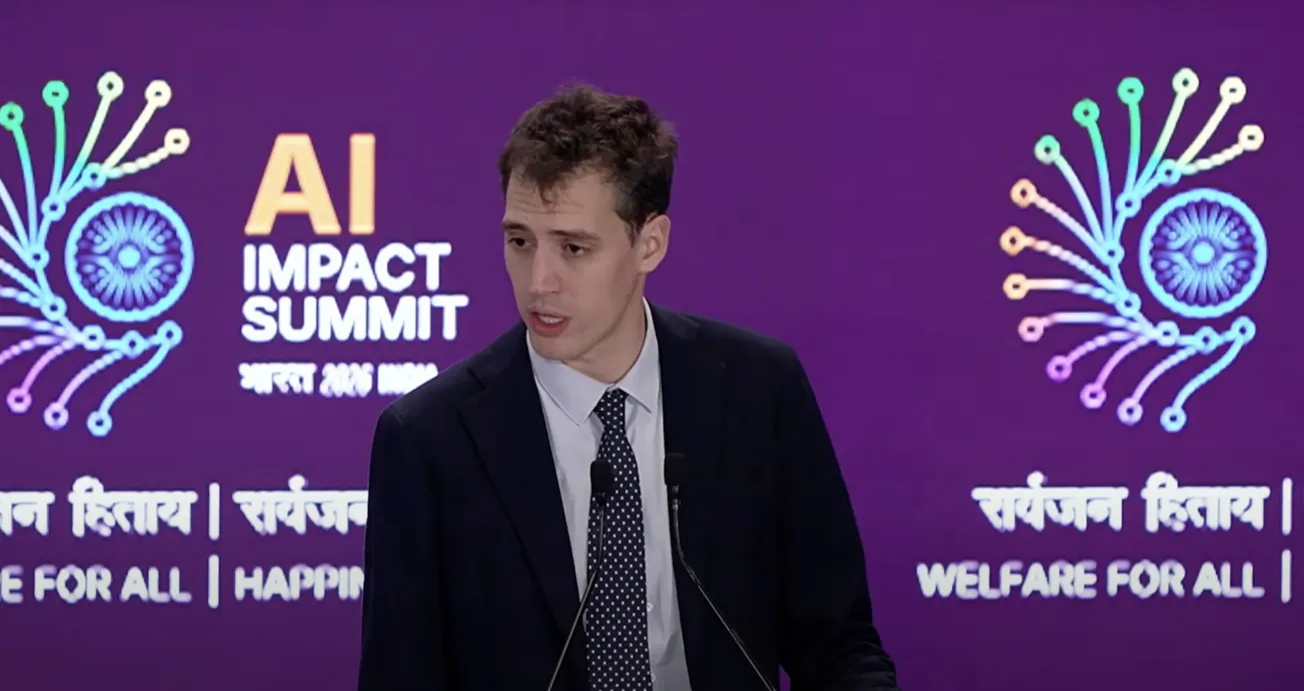
- UMA (Universal Mechanical Assistant) emerged from stealth on December 1st with Cadene and three other co-founders, a team that one humanoid robotics news site dubbed "The European Robotics 'Supergroup'." They are backed by an impressive roster of investors, including Greycroft, Relentless, and Unity Growth, alongside AI luminaries such as Yann LeCun, Olivier Pomel, and Thomas Wolf. Cadene believes that Europe is the ideal place to establish a humanoid robotics company, offering both talent and opportunities. "We are convinced that Europe is the best market for this new technology, and that's something that not a lot of people are aware of," he said at the conference. The argument rests on demographics and industrial structure: "In Europe, we have a historic industrial network. So we are a lot of companies in the industry, and we have very highly qualified people, but an aging society. So there is a critical need for automation, and it's on the mind of all the C-levels in major companies doing business in Europe."
 Chris O’Brien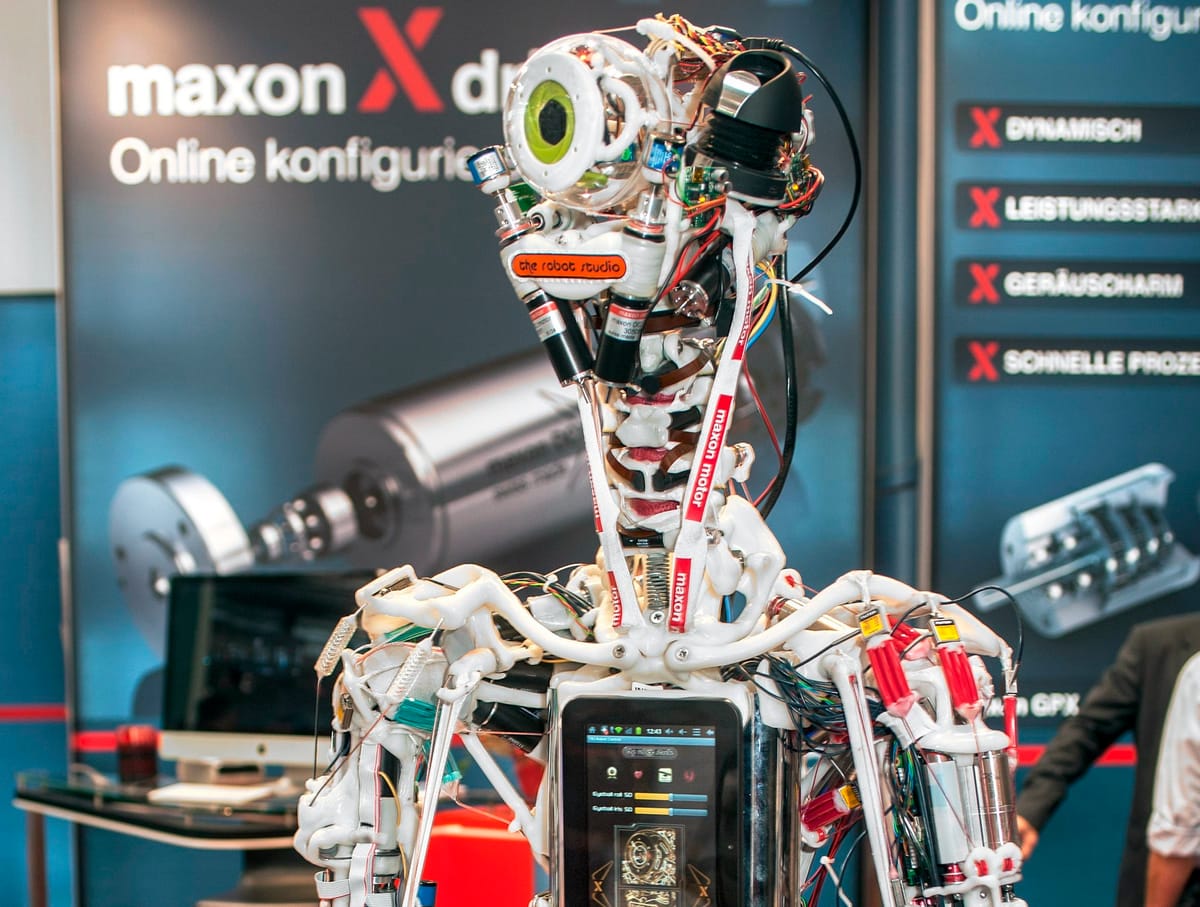
- As the future of work becomes one of the hottest (and most overwhelming) themes in tech, Clover is stepping into the arena with unusually bold ambitions. The early-stage evergreen fund, launched by French entrepreneur Samuel Tual, wants to become nothing less than the reference VC for work and education on both sides of the Atlantic. And behind the wheel of this new vehicle is Hugo Mendes, a VC who’s spent years oscillating between the founder and investor worlds in France and the U.S. Now he’s helping build a fund designed to bridge those two universes with speed, clarity, and a distinctly founder-centric approach.
 Helen O’Reilly-Durand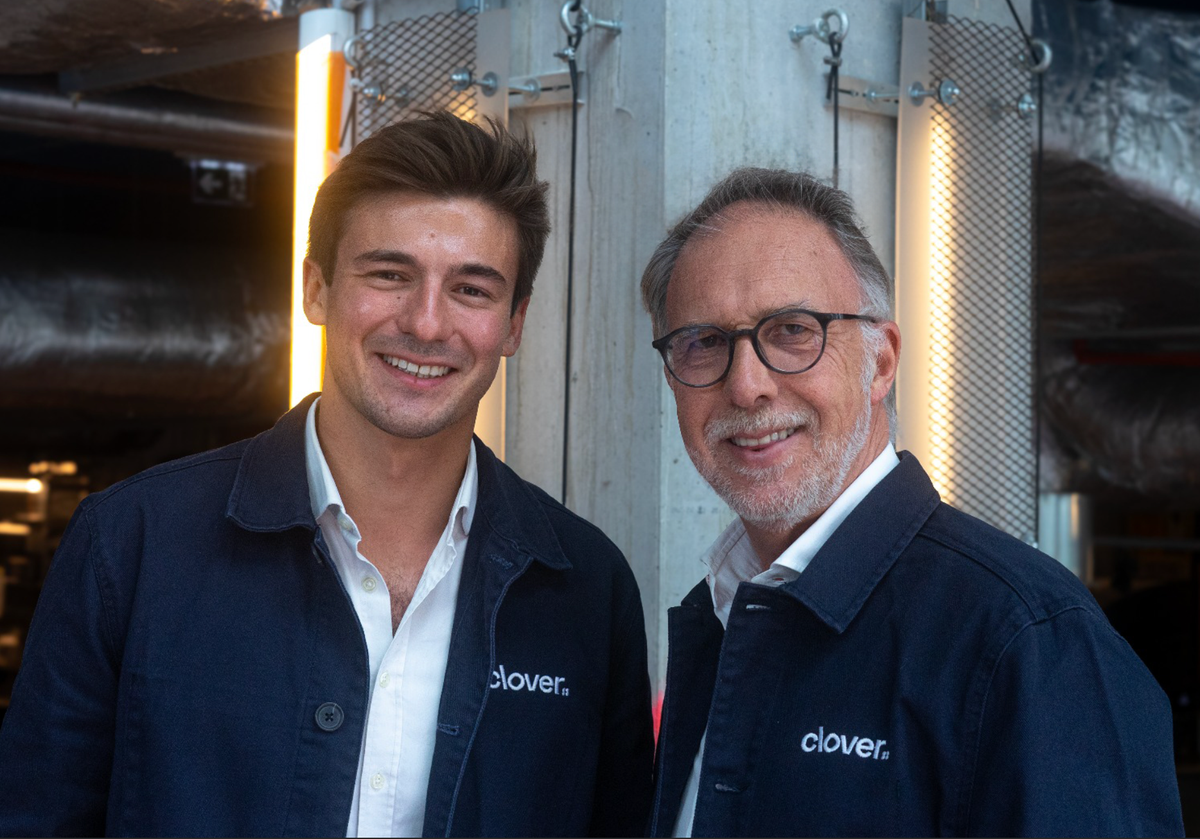
- France's TechBio ecosystem is having a moment. In just under a year, the number of identified TechBio companies in the country has nearly doubled, jumping from 22 to 40 startups and scale-ups, according to a new report by the TechBio France Commission. The report was released on Thursday at the second edition of the TechBio France Conference held at the Future4Care office in Paris.
 Chris O’Brien
👋🏻 If you’re enjoying The French Tech Journal, support the project by forwarding it to friends and sharing it on your social networks. You can also comment on this post. And if you have ideas for stories, tips, or just want to harass us, shoot us an email: [email protected] / [email protected] 👋🏻